






Enhanced access to sanitation facilities among crisis affected people in Cox’s Bazar (Phase-03)
Amid ongoing humanitarian challenges in Cox’s Bazar, this project focused on enhancing access to safe and dignified sanitation for Rohingya refugees and vulnerable host communities. Prioritizing inclusivity and community participation, the initiative supported the construction and upgrading of sanitary latrines, directly improving hygiene conditions for 1,800 individuals, including women, children, persons with disabilities (PWDs), and men. To foster ownership and strengthen local capacities, 30 community members were engaged through Cash for Work (CFW) opportunities to support site development and infrastructure maintenance.
Grounded in a co... Read More
Major Achievements
1040
Total beneficiaries (527 male, 513 female) gained access to improved WASH facilities, with 100% inclusion of households with PWDs and strong representation across age groups.
25/19
Sanitary latrines and bathing cubicles were constructed, meeting 100% of the project’s WASH infrastructure targets.
100%
Inclusive and gender-sensitive infrastructure ensured increased safety, dignity, and privacy especially for women, girls, and persons with disabilities.
Hygiene
Significant reduction in open defecation, improved hygiene practices, and enhanced public health outcomes reported in the targeted communities.
Community
Community ownership and awareness strengthened through active involvement in planning, construction, and post-implementation maintenance.
Youth
Youth volunteers mobilized informally to promote hygiene awareness and maintain WASH facilities, an unintended yet positive outcome.
Major Activities
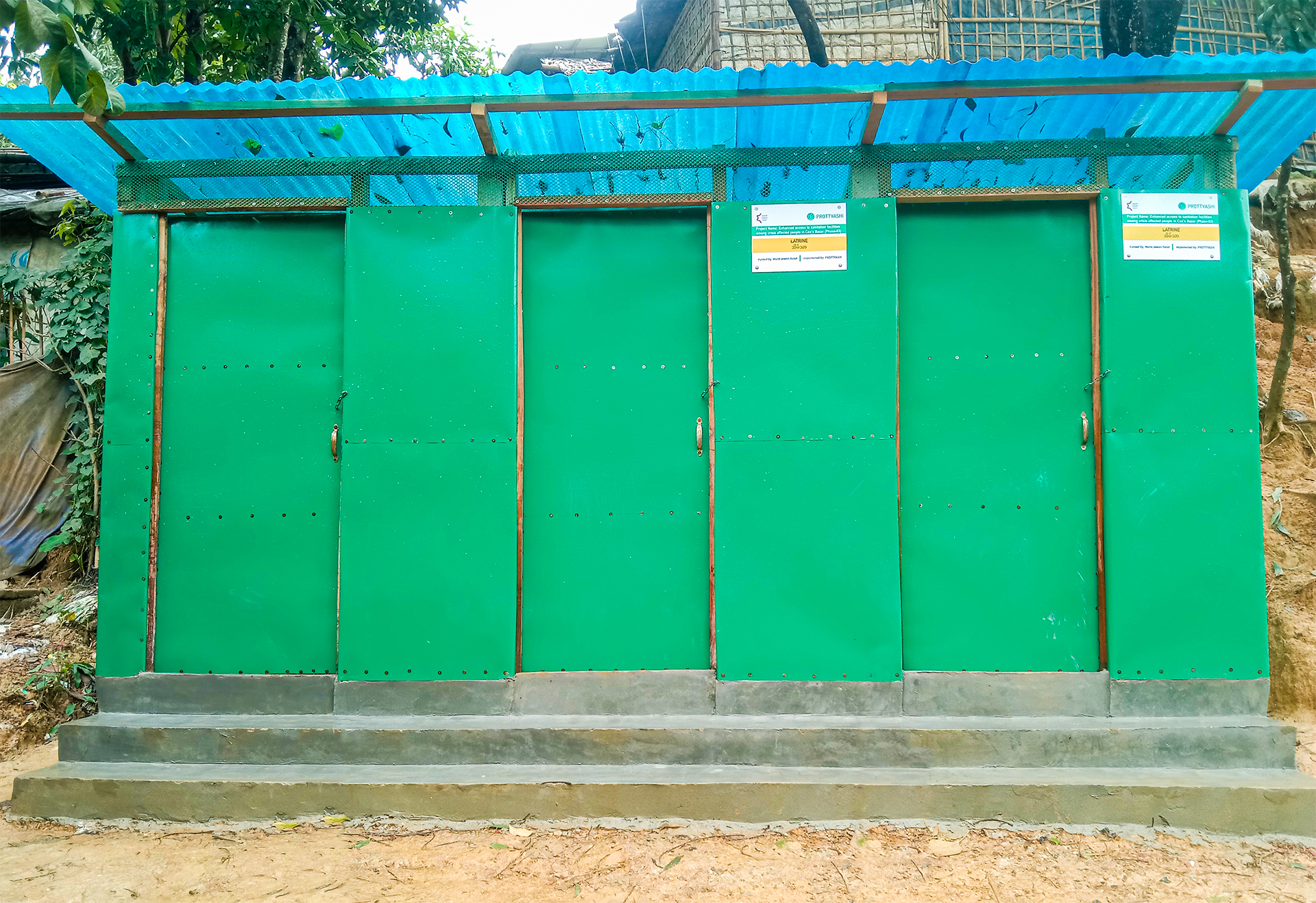
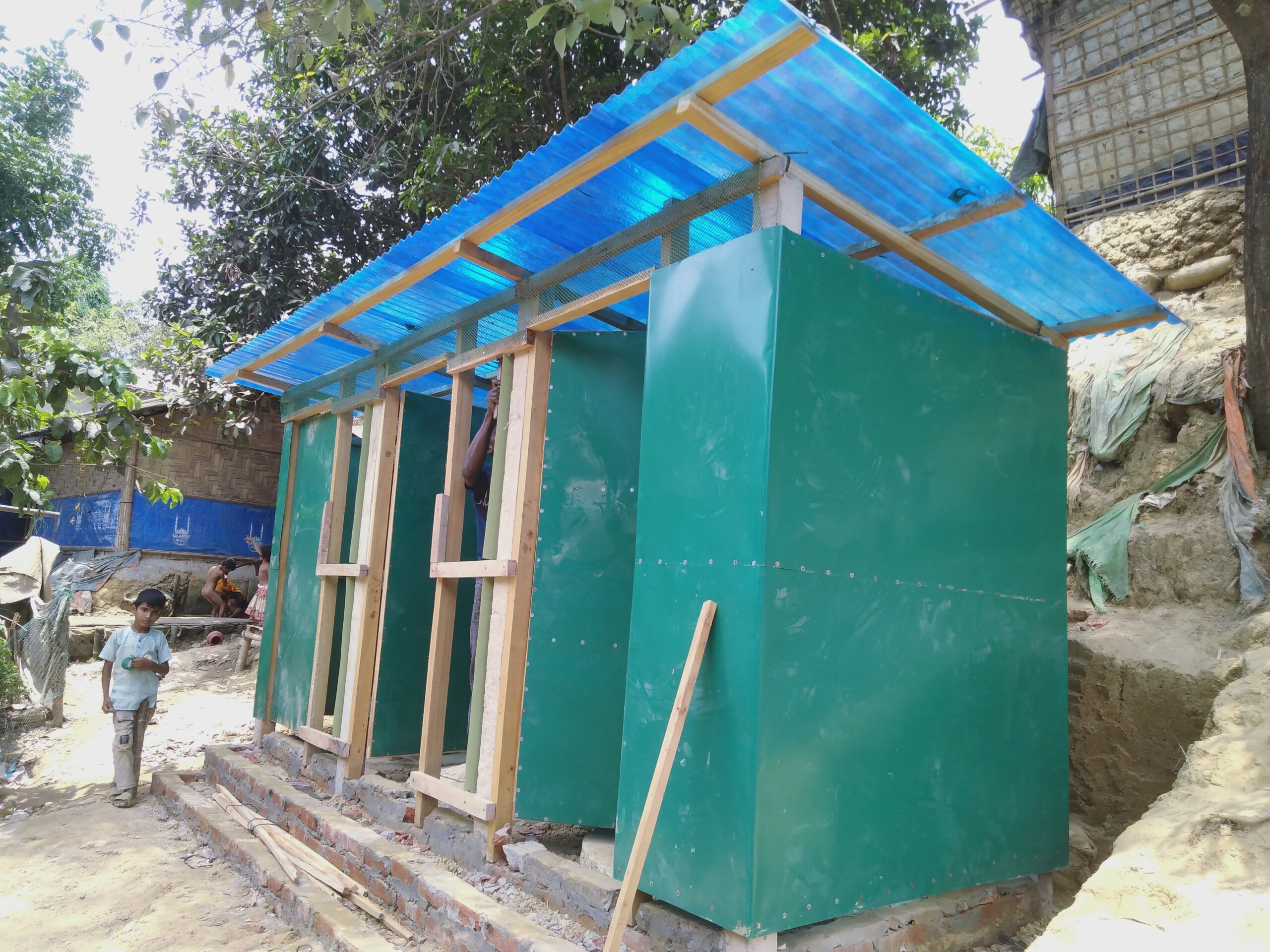
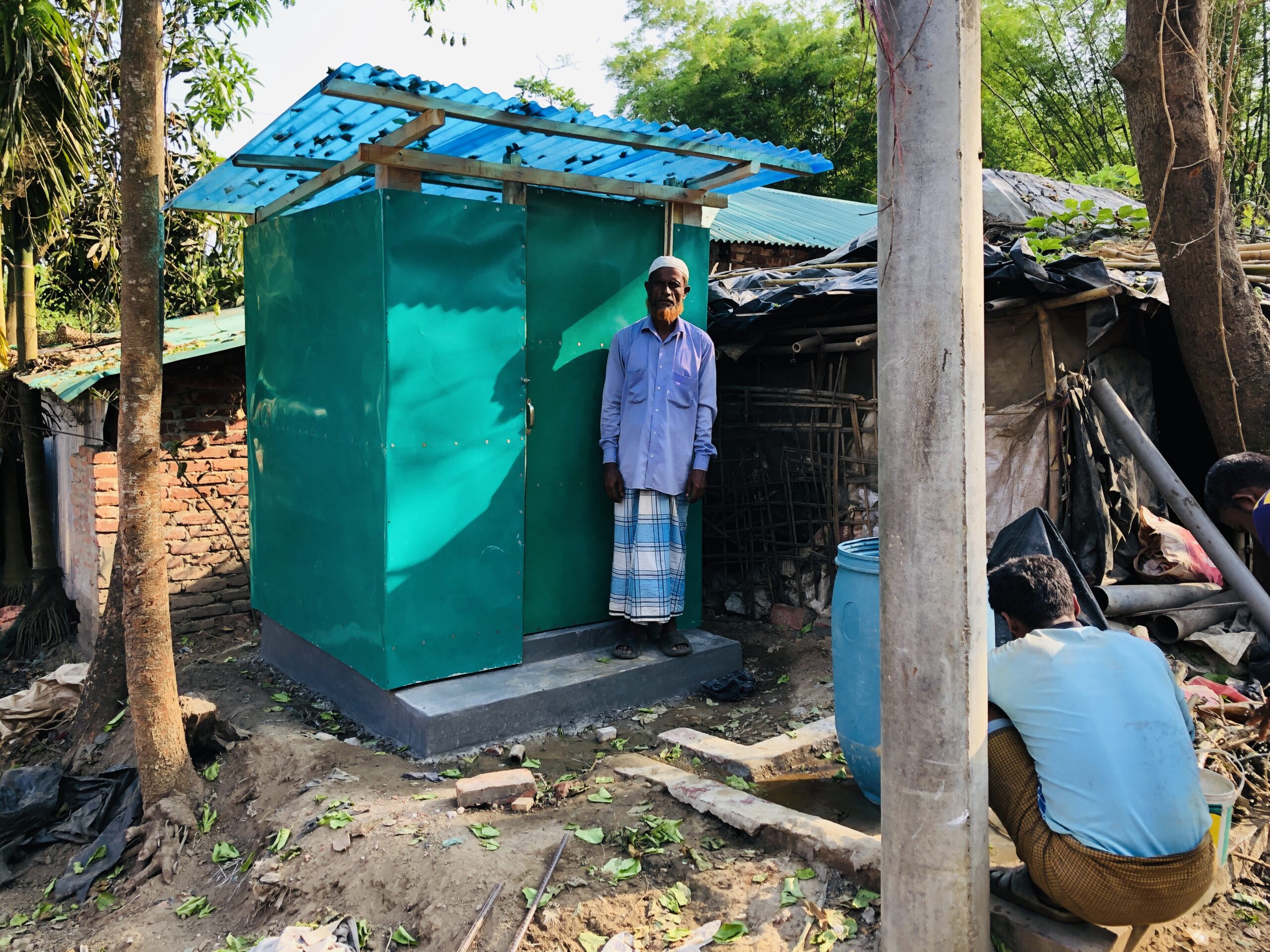
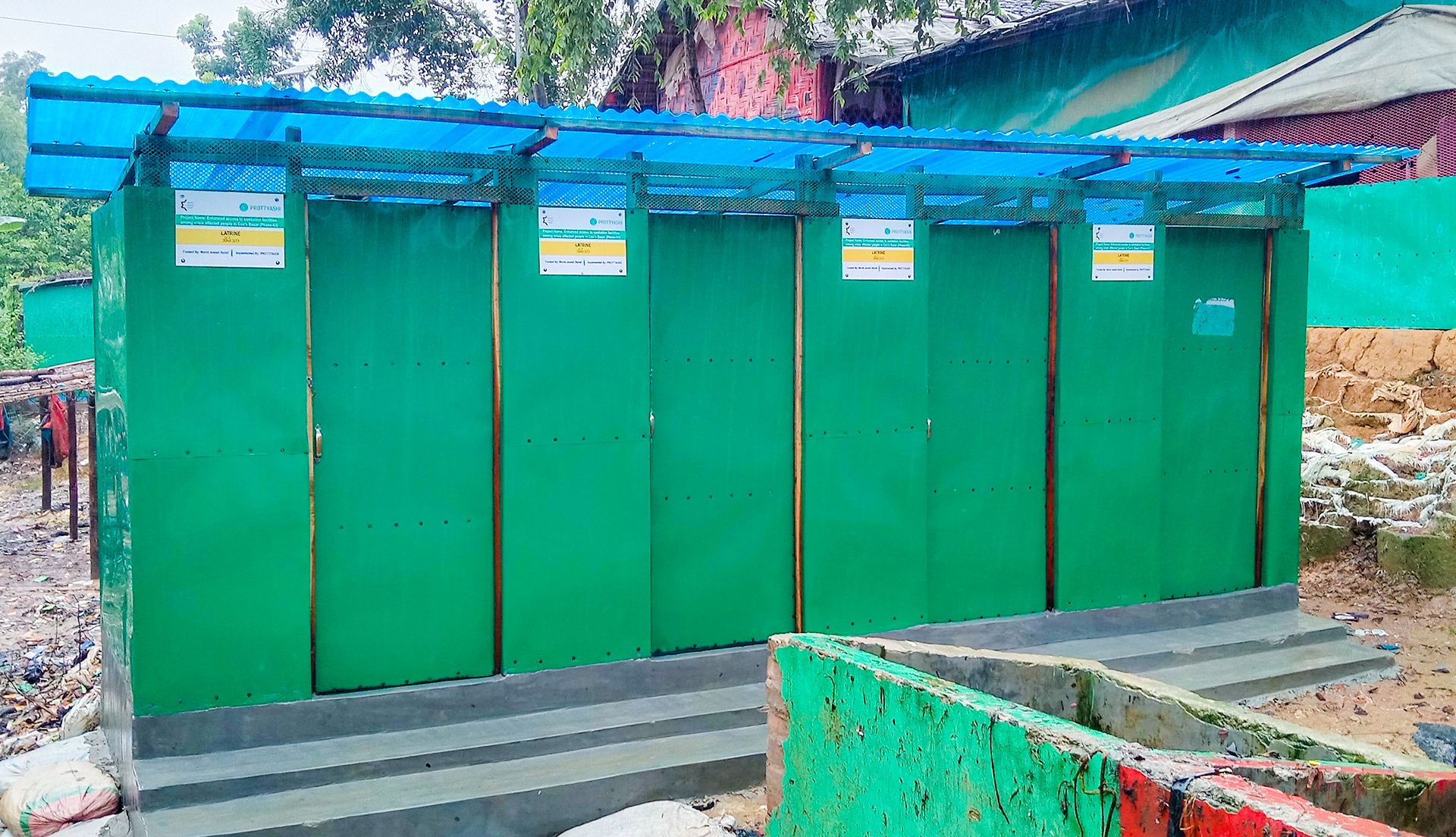
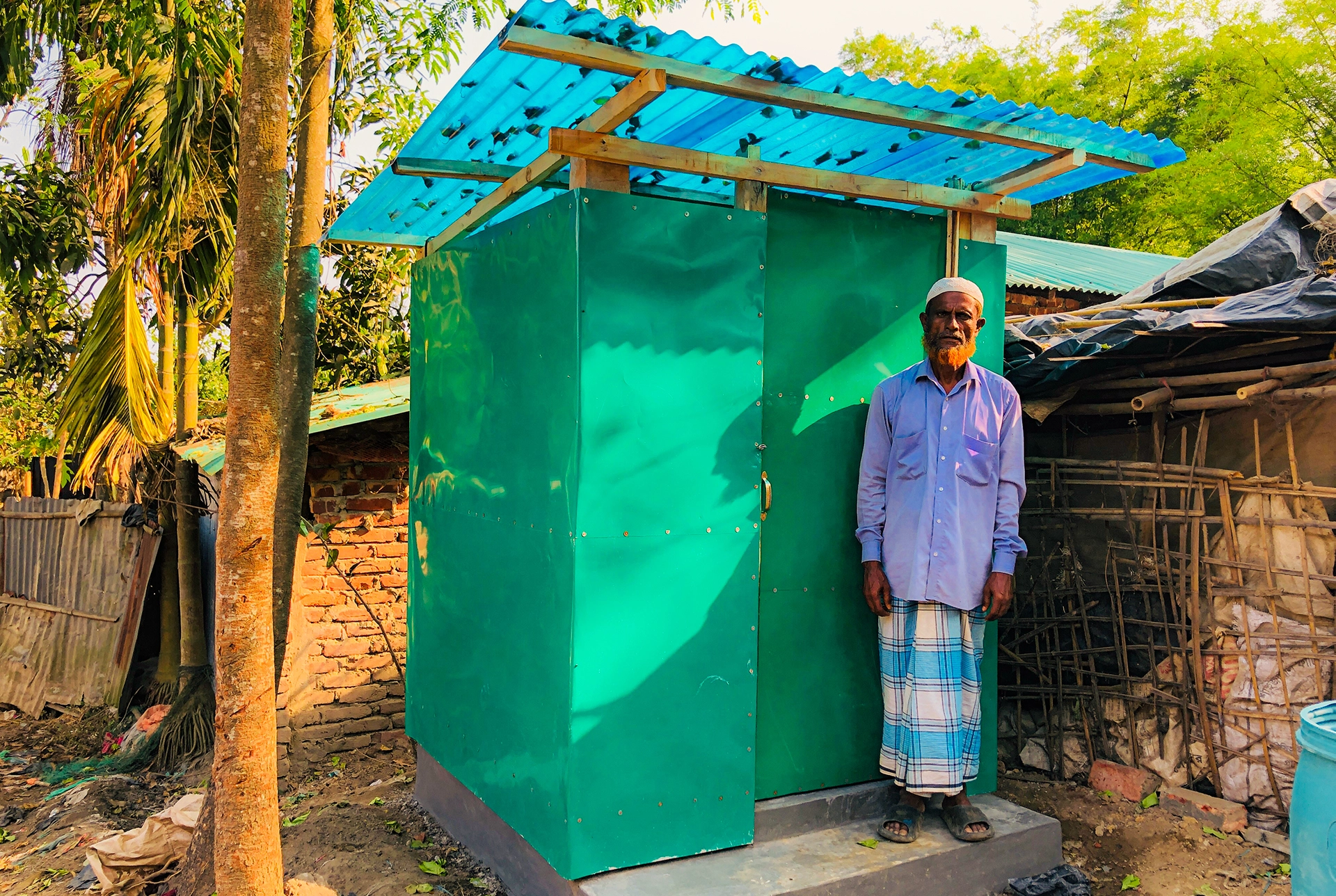
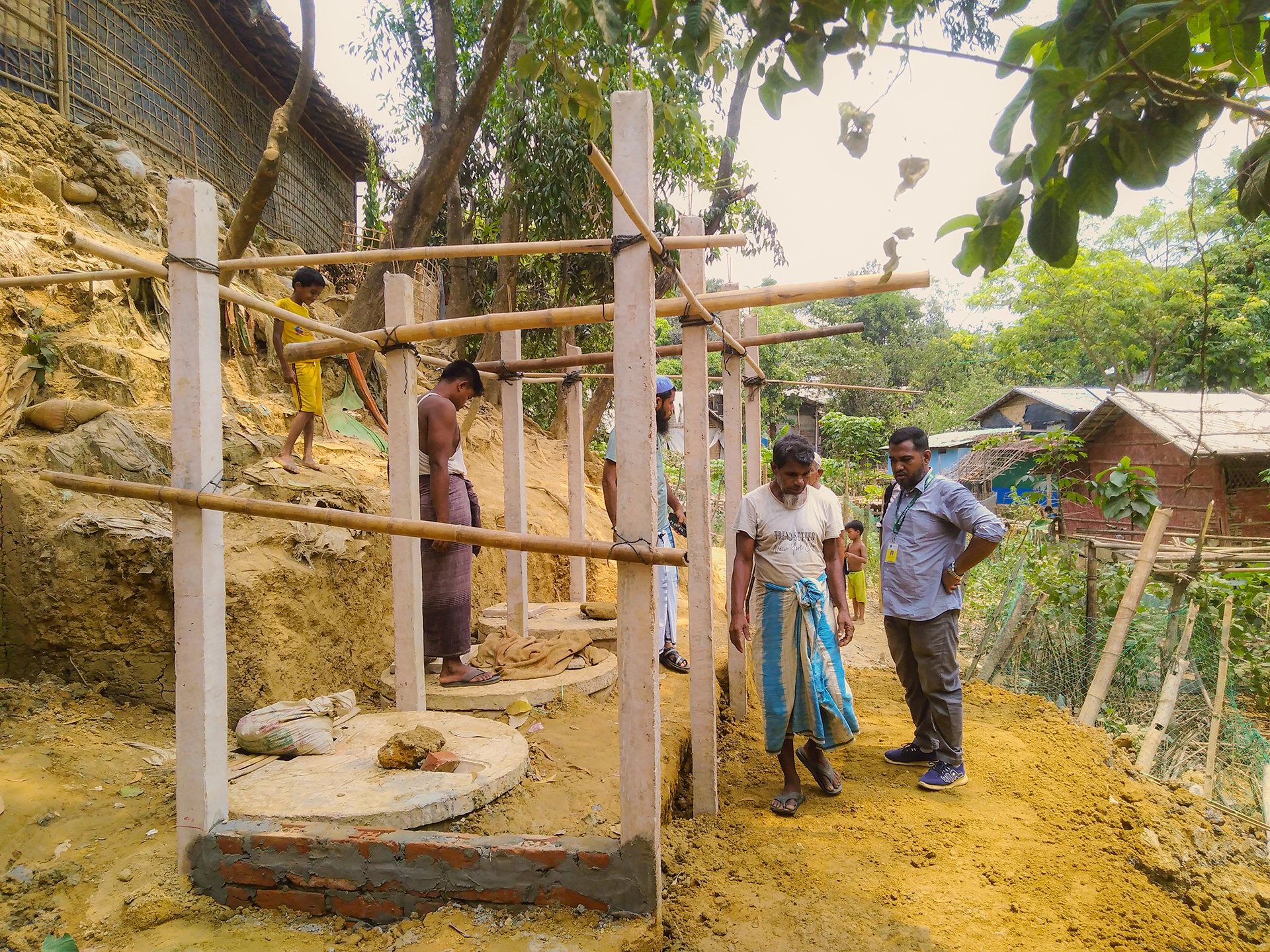
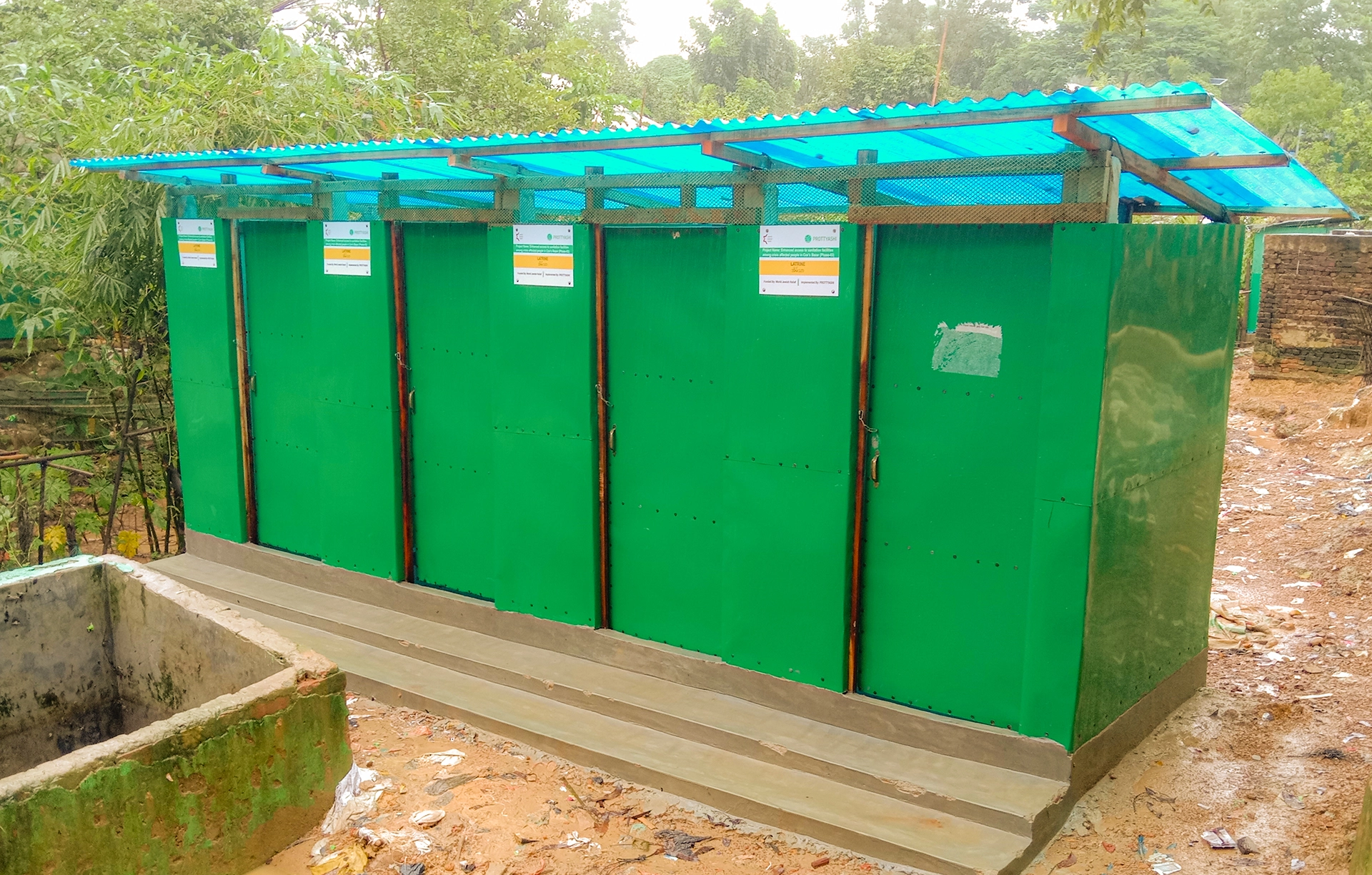
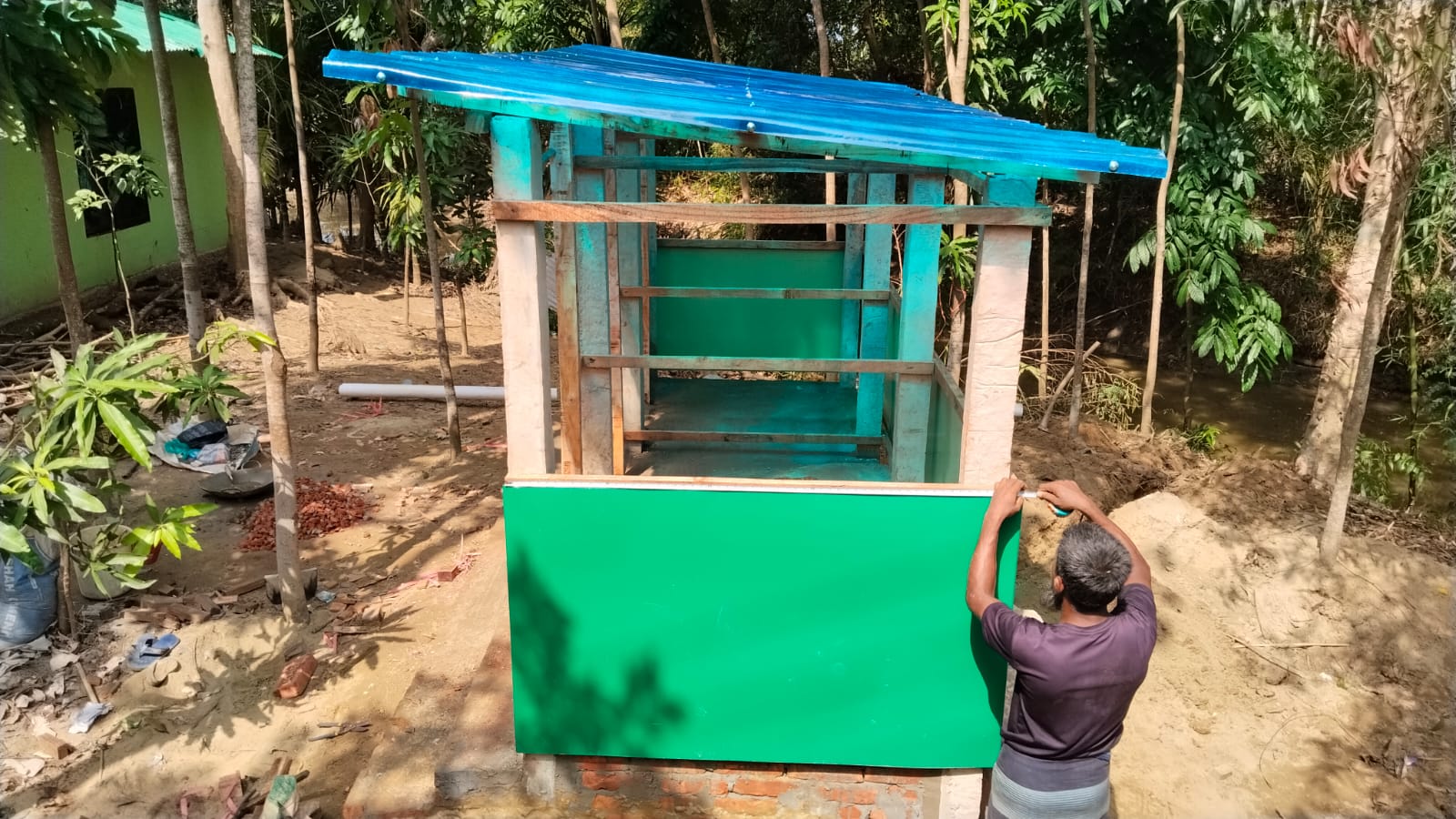
Installed a total of 25 sanitary latrines, including 5 units designed specifically for persons with disabilities (PWDs), to improve access to safe, dignified, and inclusive sanitation facilities.
Built 19 separate bathing cubicles, with gender segregation, ensuring privacy, safety, and hygiene for women, girls, and other community members.
Engaged 15 adult participants in the construction process, thereby strengthening community ownership and local capacity.
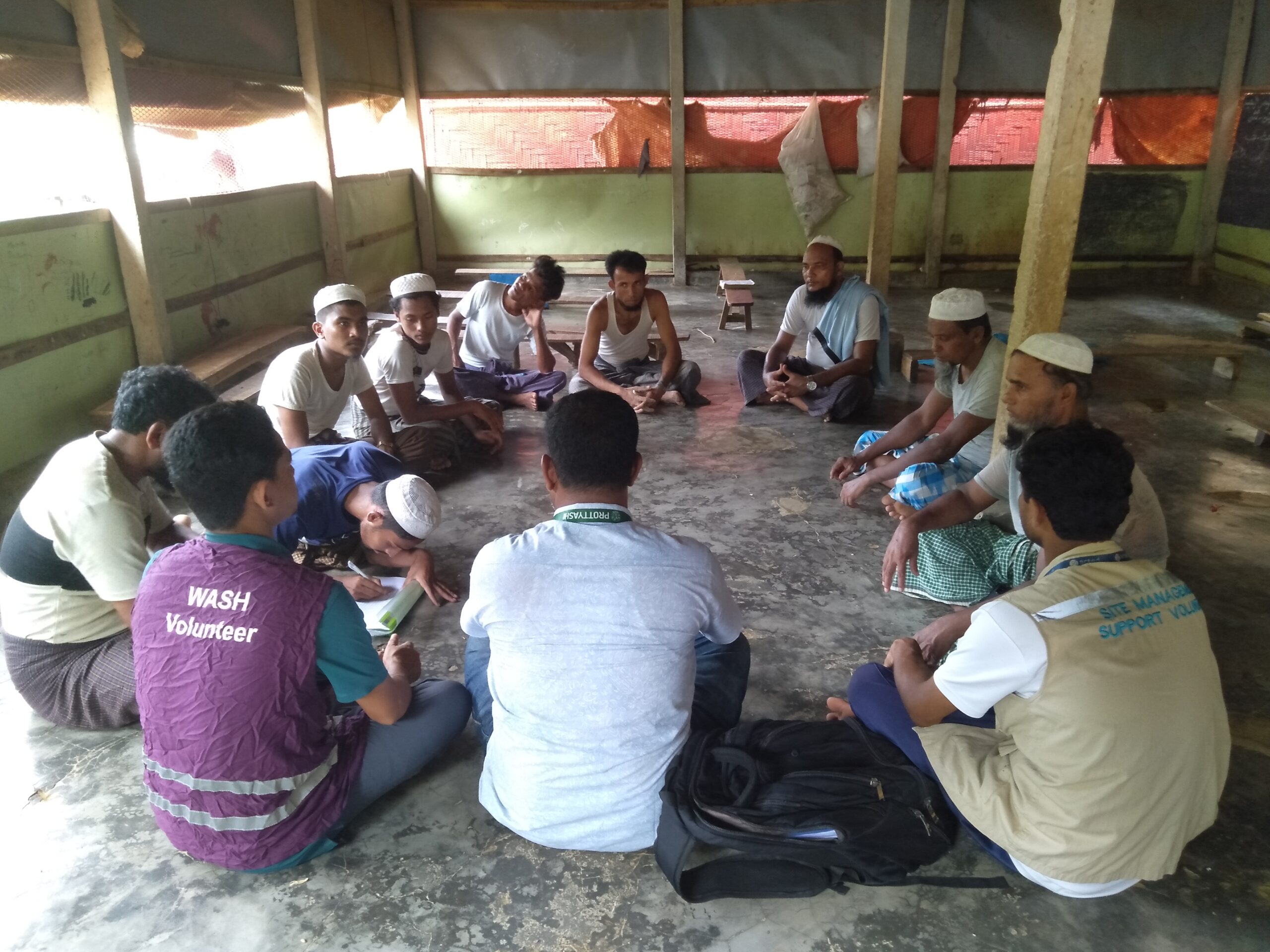
Conducted community meetings, follow-up visits, and informal feedback sessions to ensure active participation, proper site selection, and adaptive implementation.
Ensured minimal environmental impact by following proper waste disposal practices, site protection in hilly terrain, and using locally sourced materials to reduce carbon footprint.
Oriented staff and volunteers on safeguarding principles; no safeguarding incidents reported. A hotline and community engagement channels were in place to capture participant feedback.

Project Goal
To improve access to safe, dignified, and inclusive sanitation facilities for crisis-affected Rohingya refugees and vulnerable host communities in Cox’s Bazar, while promoting gender-sensitive WASH practices, strengthening community ownership, and enhancing resilience through participatory and environmentally responsible approaches.

Geographical Coverage
The project was implemented in FDMN Camp 03 and surrounding areas of the Ukhiya host community in Cox’s Bazar, Bangladesh, targeting both Rohingya refugee populations and vulnerable local residents.

Targeted Beneficiaries
The project targeted 1,040 crisis-affected individuals (527 male and 513 female) from Rohingya refugee households in FDMN Camp 03 and vulnerable host communities in Ukhiya, Cox’s Bazar. Priority was given to women, children, persons with disabilities (PWDs), and other at-risk groups facing limited access to safe and dignified sanitation facilities.
Programme Highlights
Inclusive WASH for Dignity and Community Empowerment
The project improved access to inclusive, gender-sensitive WASH facilities by constructing 25 latrines (including 5 PWD-friendly) and 19 bathing cubicles, benefiting 1,040 people. Community participation strengthened ownership and sustainability, while environmentally responsible practices and strong safeguarding were maintained. Youth volunteers also supported ongoing hygiene promotion.
Donor & Partner
Stories of Inspiration
Project Gallery