






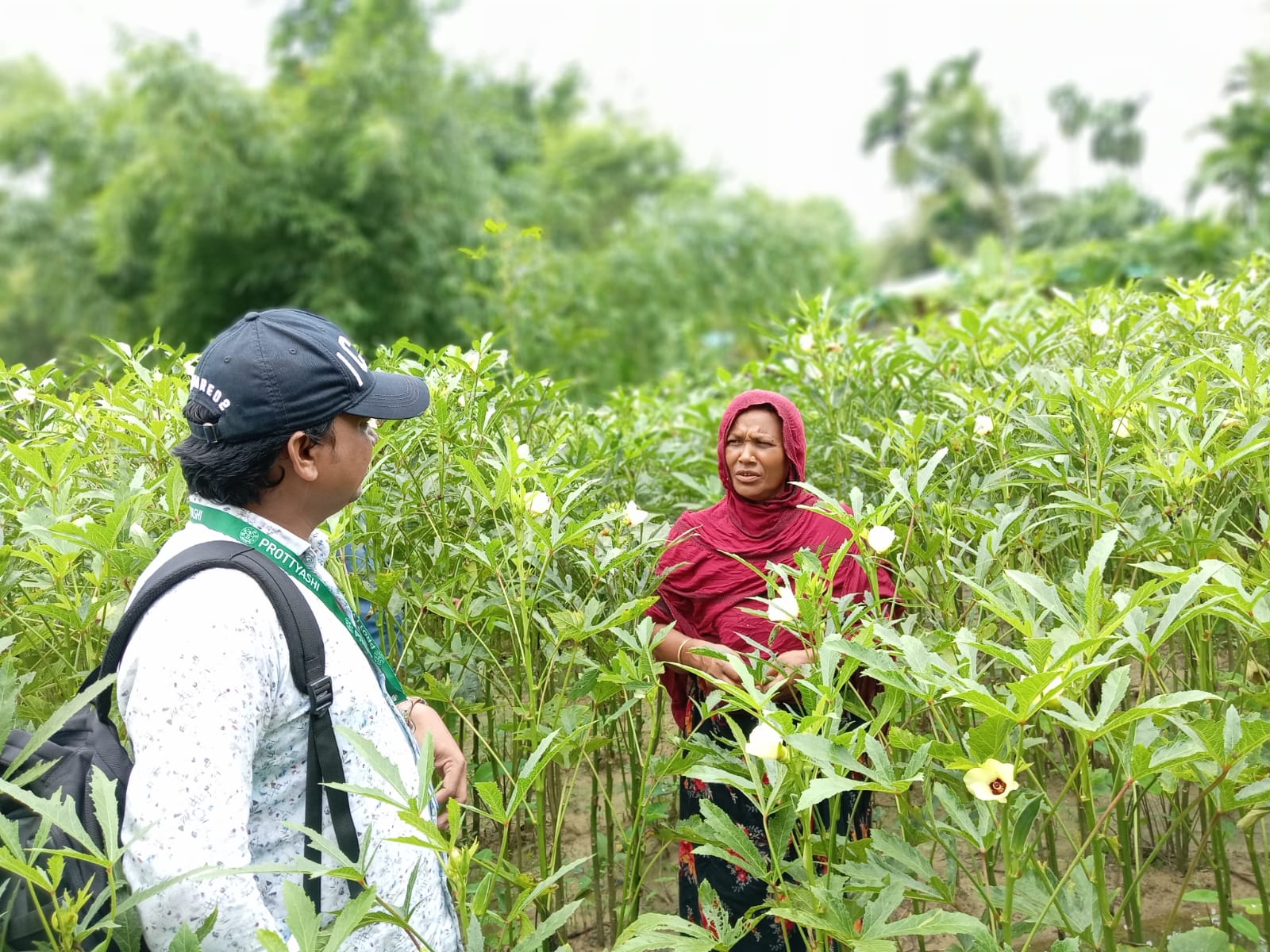


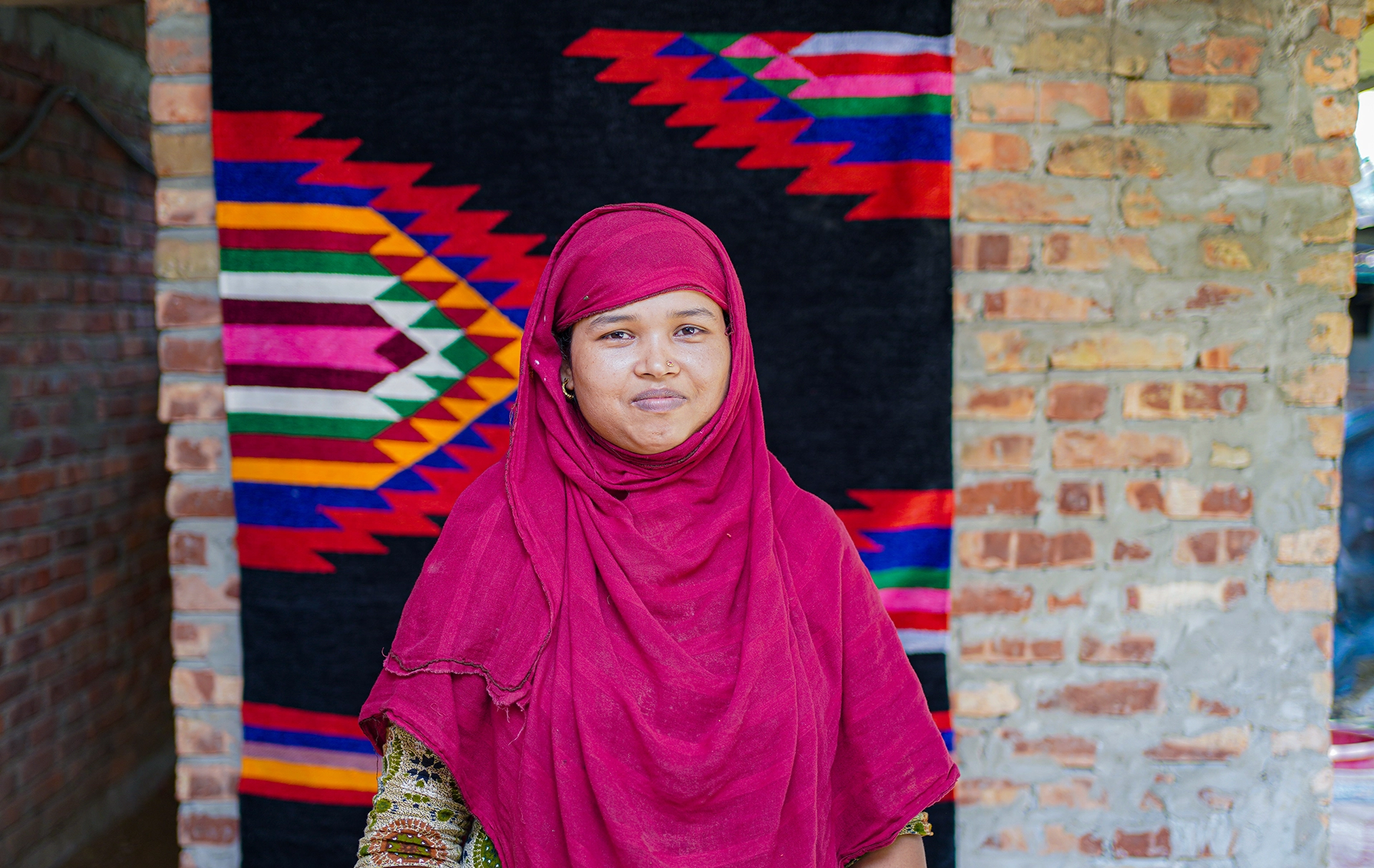
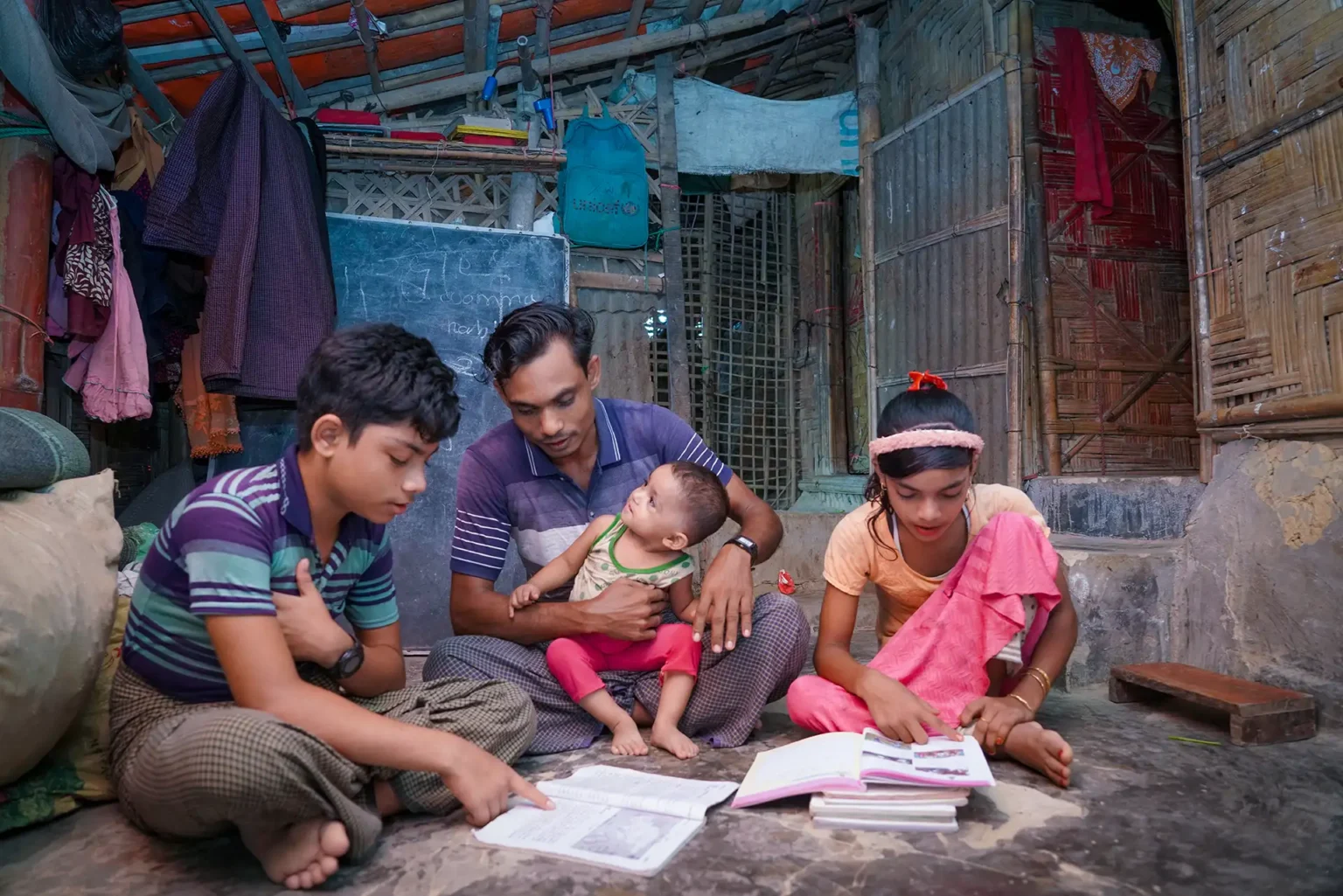
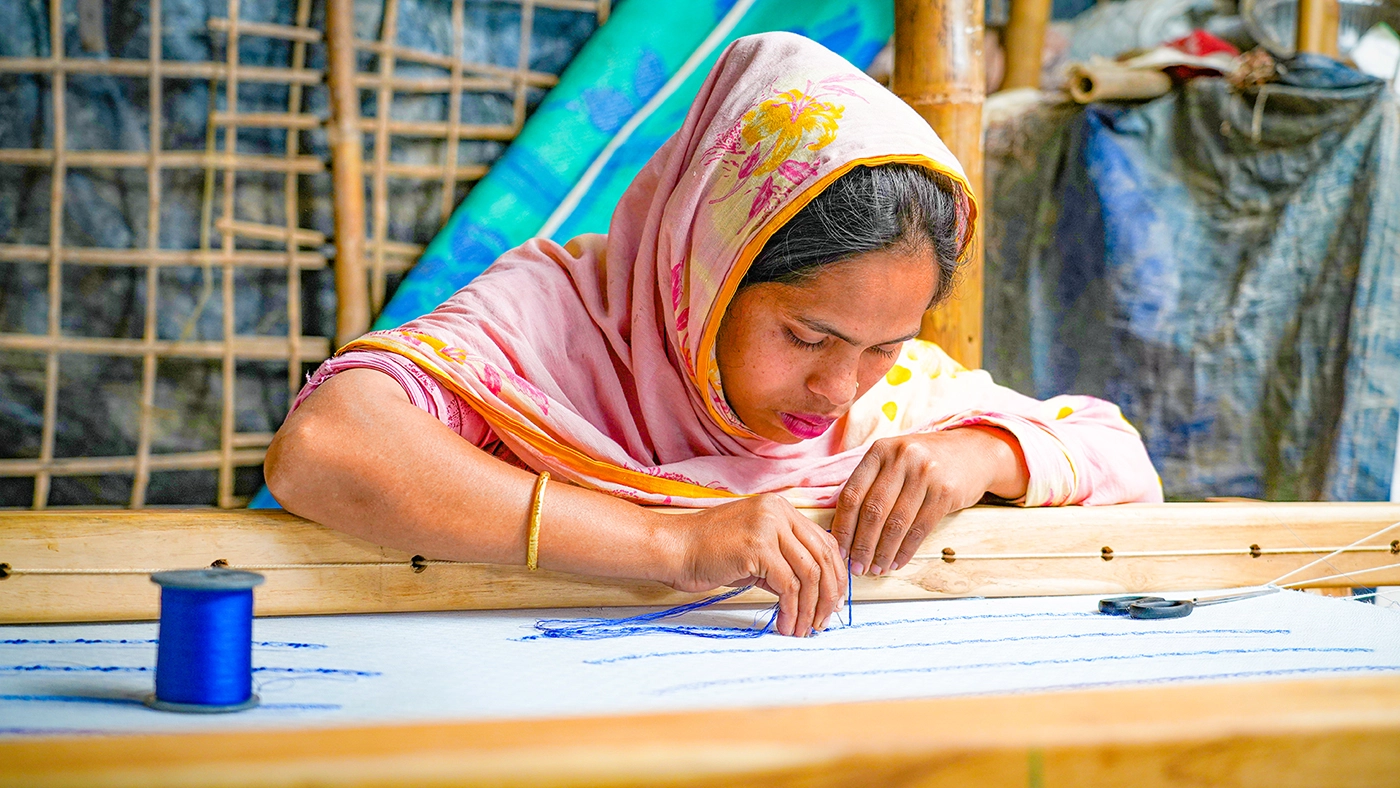
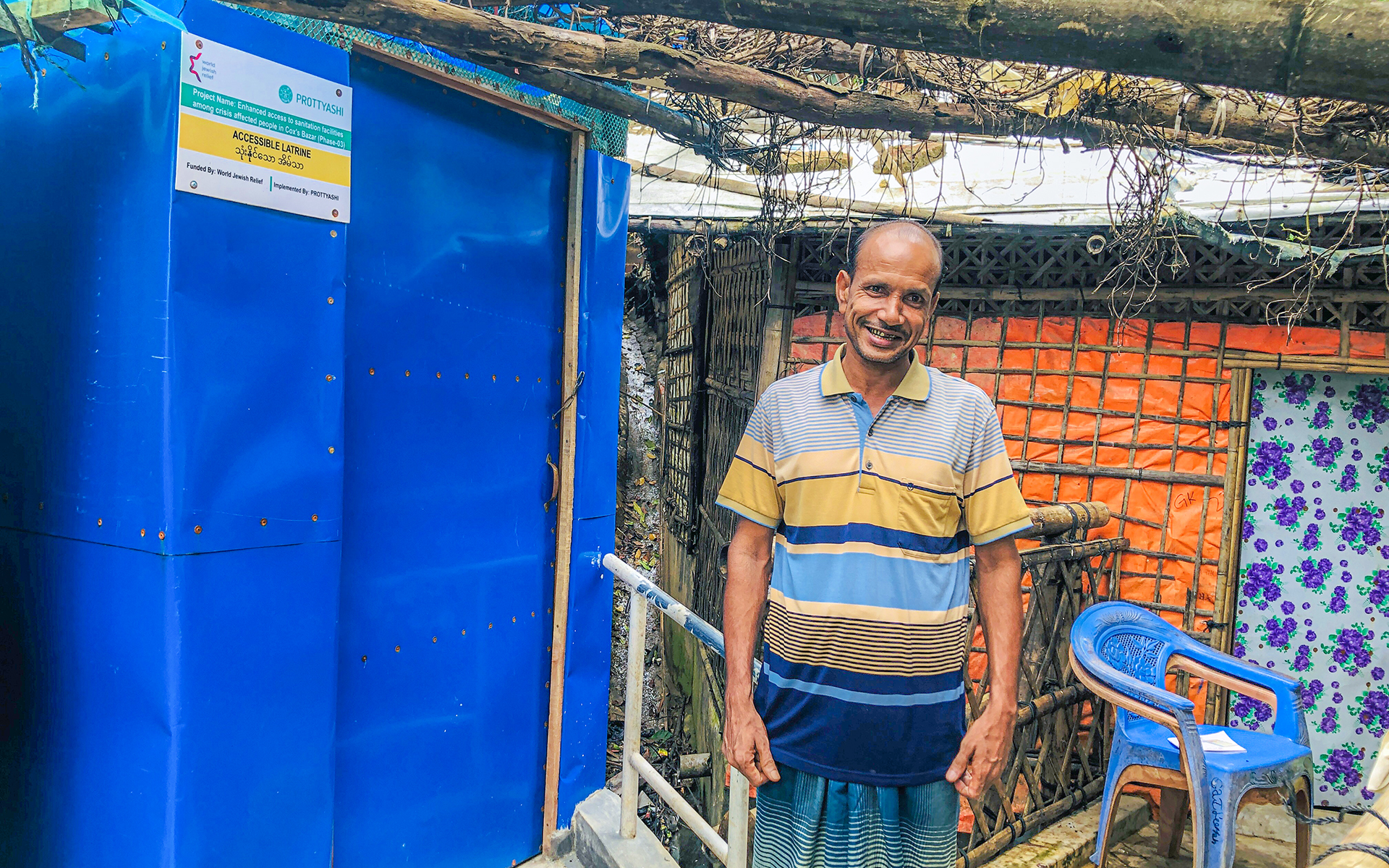
In the crowded lanes of Camp 03, where the rhythm of daily life beats against the challenges of displacement, Sayed Alam a 47-year-old Rohingya father, husband, and the unwavering pillar of a family of nine lives. Forced to flee his homeland, Sayed carries the weight of survival not only for himself but for his wife and seven children, including his son, Zia Uddin, who was born with a physical disability.
Zia’s condition makes even the simplest of tasks, such as using the toilet, a daily struggle. The communal latrines in the camp were never meant for someone like him. Built without considerations for accessibility, they posed risks of injury, discomfort, and deep emotional distress not just for Zia, but for the entire family.
“As a father, it crushed me to see my son suffer,” Sayed recalled. “There were days when we had no choice but to carry him long distances, just so he could relieve himself in pain and shame.”
Despite repeated appeals to different NGOs, the family’s plea for a disability-friendly facility remained unheard until one day, Sayed’s voice found its echo. During a community consultation meeting organized by PROTTYASHI, Sayed stood up not just for Zia, but for every child living in the shadows of invisibility. He spoke of the burden his son carried, of the barriers that isolated him from a basic human right: dignity.
Moved by his story, PROTTYASHI, in close coordination with the Camp-in-Charge (CIC), responded with urgency and compassion. A disability-inclusive latrine was constructed near Sayed’s shelter—designed with ramps, handrails, and ample space to ensure safety, comfort, and autonomy for Zia and others with mobility challenges.
The impact was immediate and profound. Zia now uses the latrine independently, no longer relying on others or enduring the pain of inaccessibility. For the first time in years, Sayed and his family feel the quiet relief of knowing that their son’s needs are being met with care and dignity.
This single intervention has rippled far beyond one household. It has awakened a conversation in the community about the importance of inclusive design, human dignity, and the power of listening. In the words of Sayed, a simple latrine was not just a structure it was a symbol of respect, a promise of inclusion, and a pathway to hope.
