





Improved Health through Strengthened Community hygiene Management
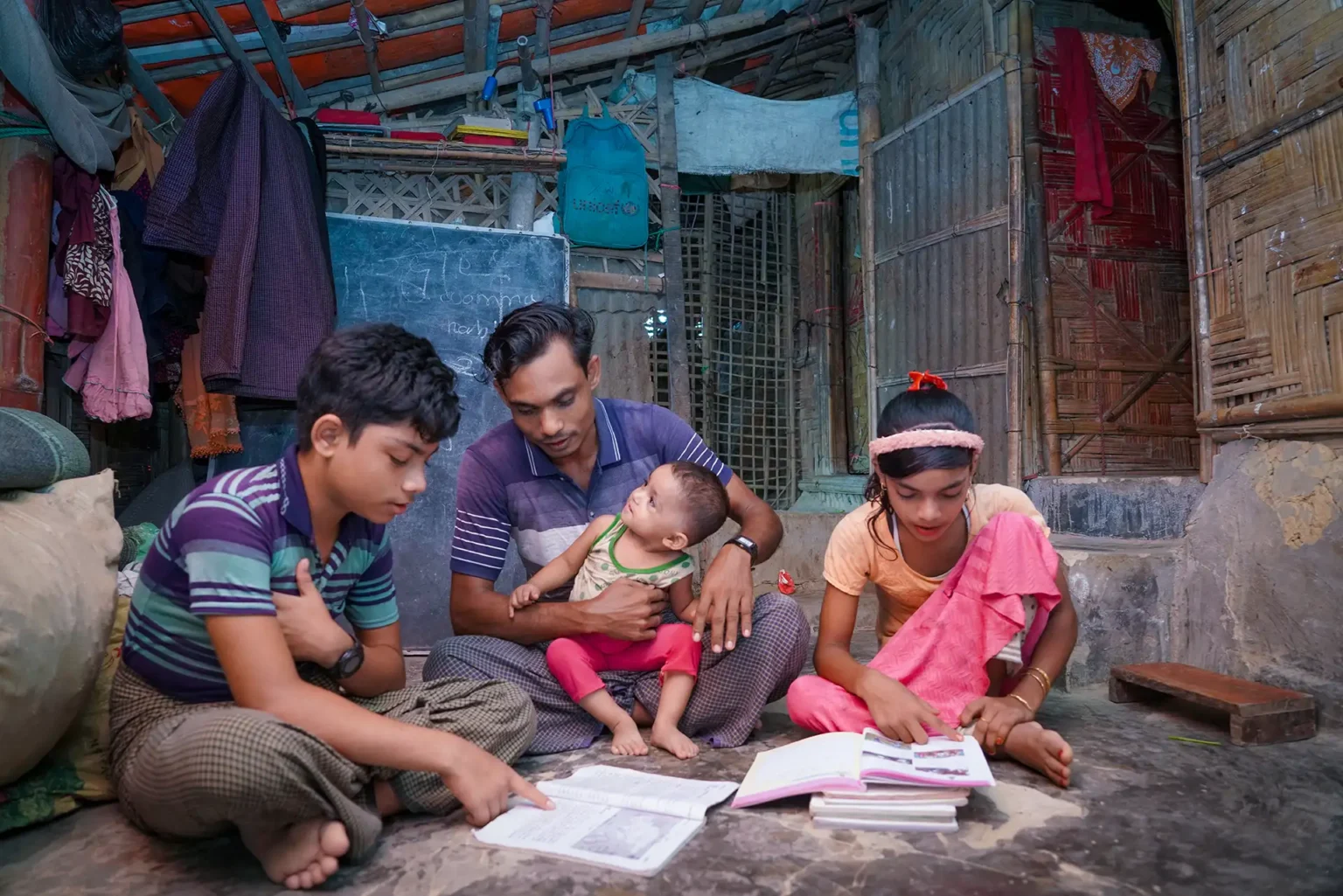
This project focuses on enhancing public health in Rohingya communities by strengthening WASH (Water, Sanitation, and Hygiene) services. It ensures equitable access to improved sanitation and hygiene infrastructure, with a particular focus on children, adolescent girls, and persons with disabilities, while promoting sustainable, community-led hygiene management. Through a comprehensive approach that includes facility upgrades, awareness raising, waste management, and community engagement, the initiative strives to build a healthier, more resilient population with long-term improvements in hygiene practices and environmental health.
Major Achievements
10K+ Reached
Improved sanitation and hygiene infrastructure access for over 10,000 Rohingya residents.
Better Hygiene
Enhanced community knowledge and practices on water safety, sanitation, and hygiene.
Gender Inclusion
Strengthened gender-inclusive hygiene practices, including menstrual health support for adolescent girls.
Community Ownership
Increased community participation in WASH planning, monitoring, and maintenance.
Cleaner Environment
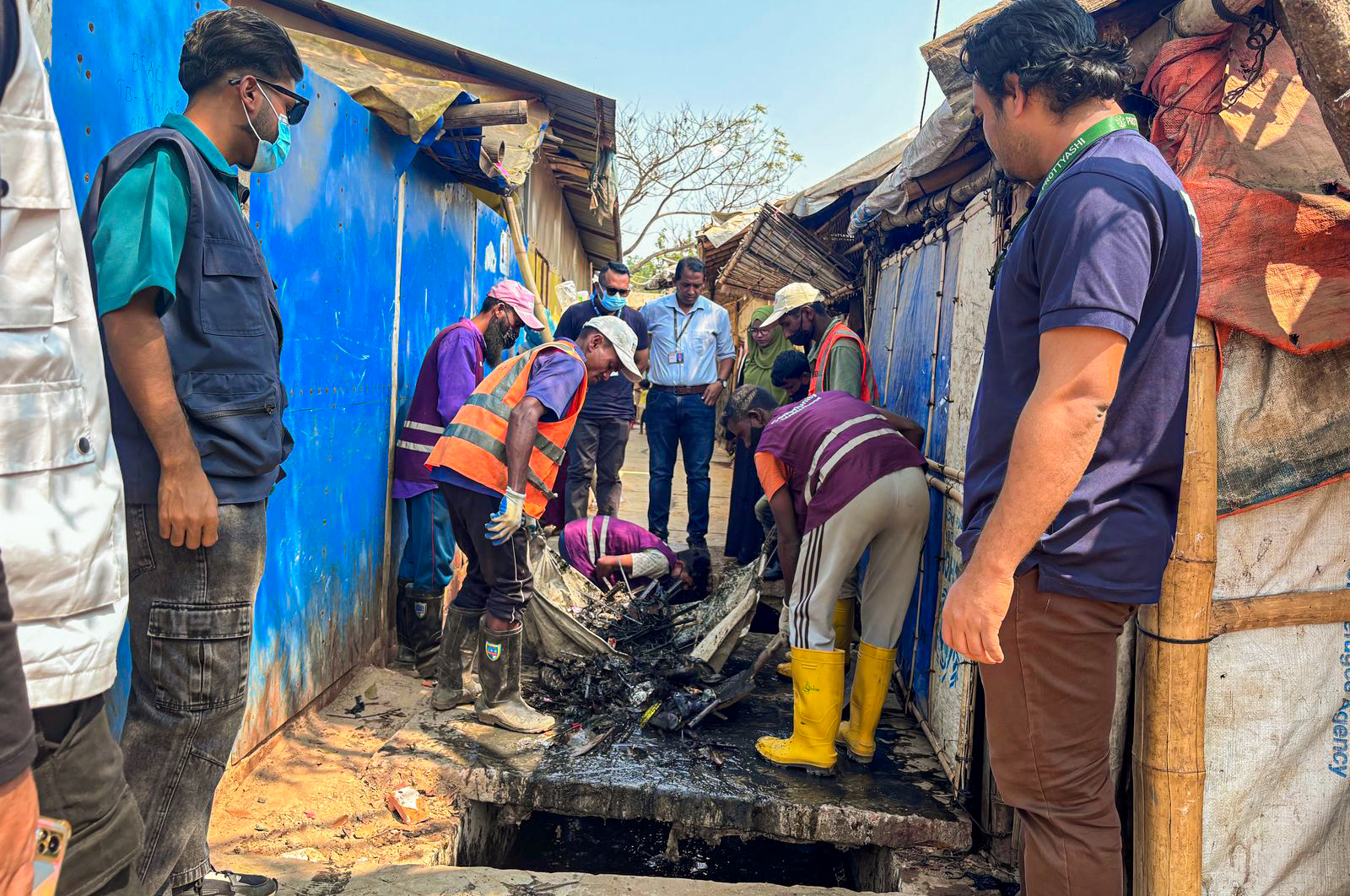
Established effective solid waste management, contributing to a healthier and cleaner environment.
Major Activities
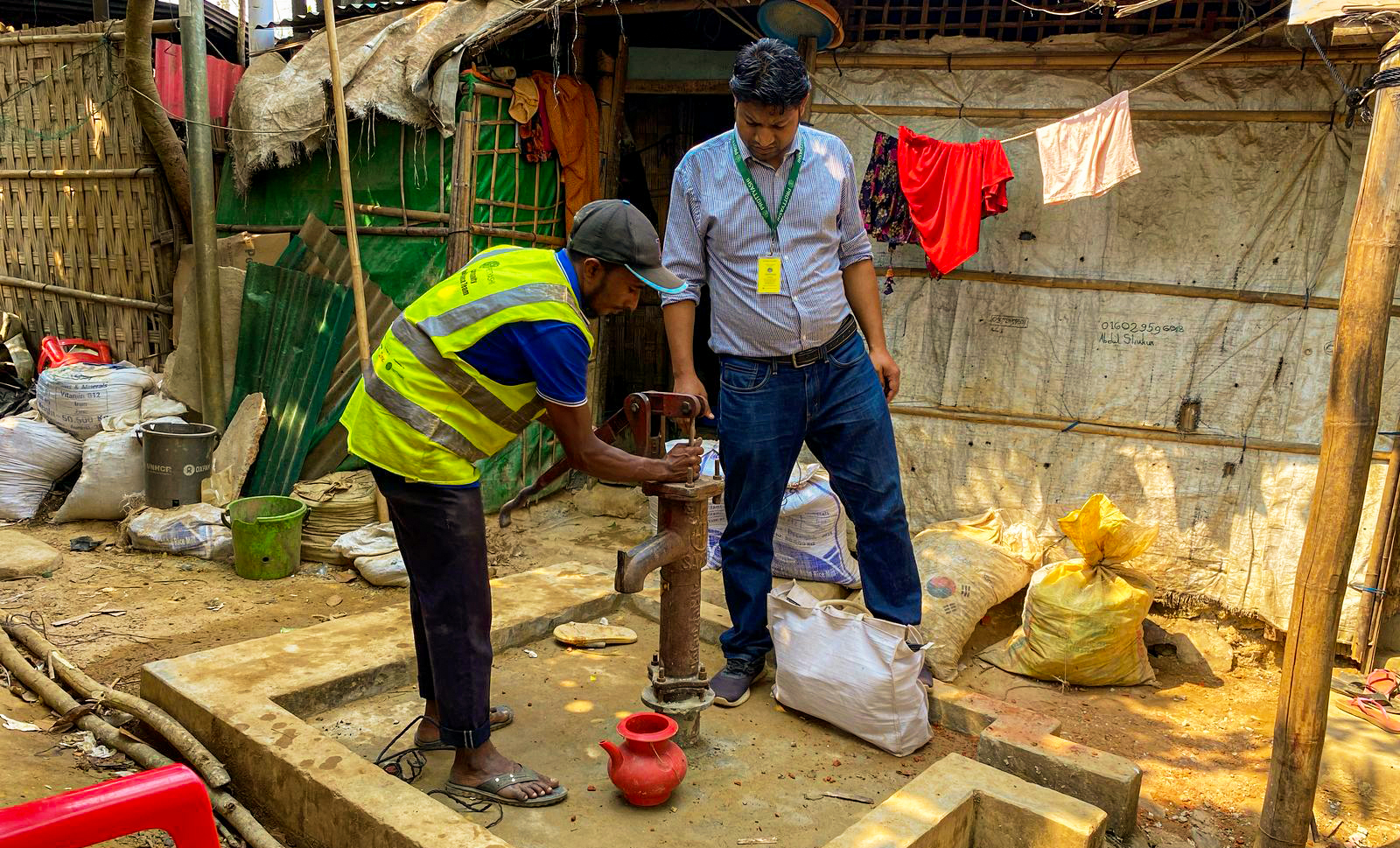
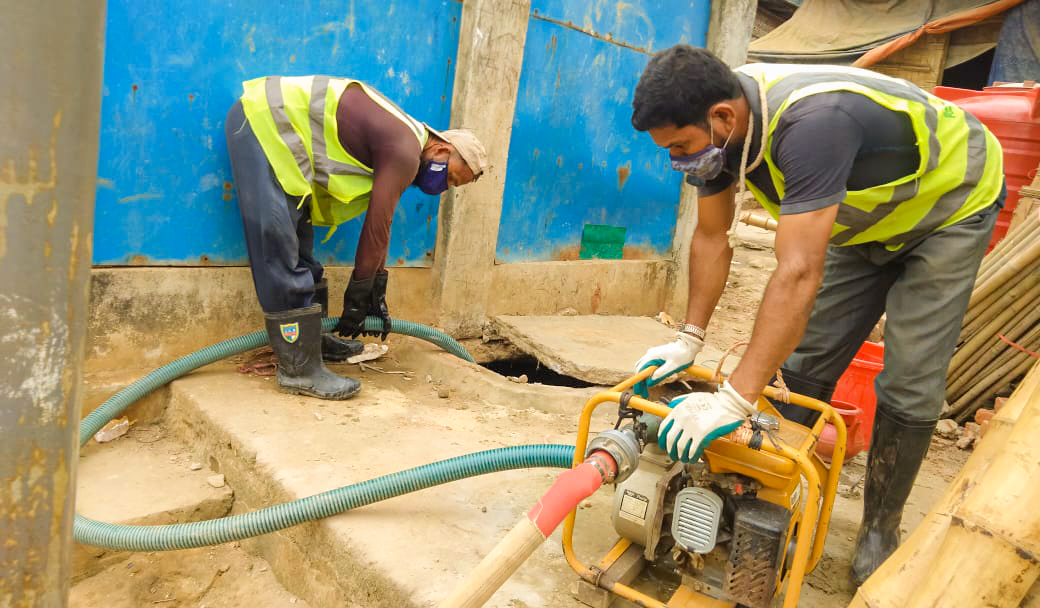
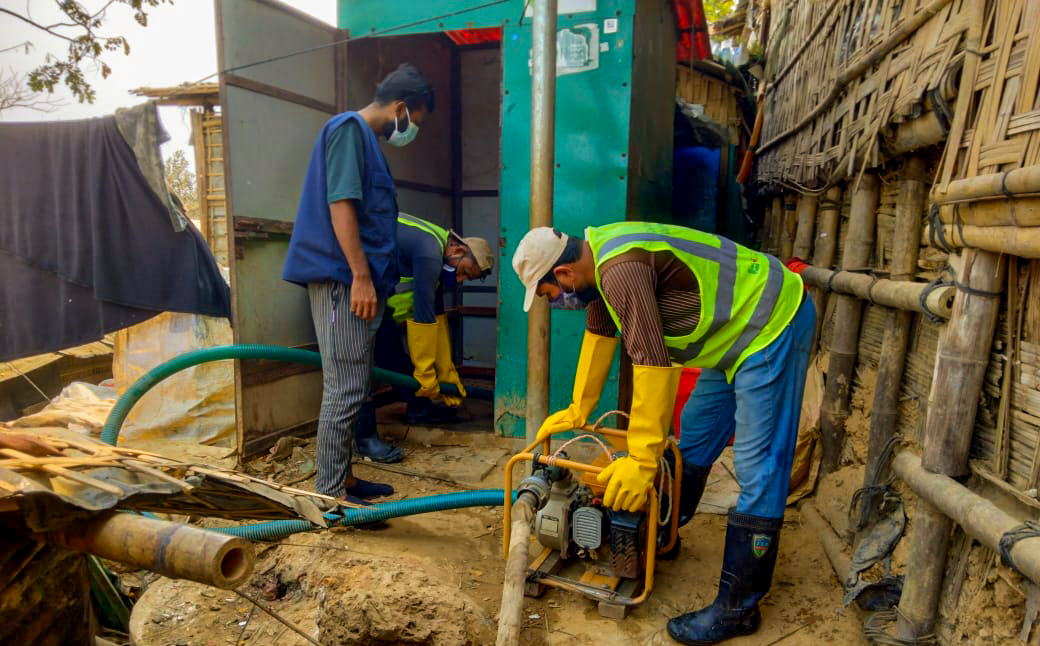
Construction, repair, and maintenance of WASH infrastructure: latrines, bathing cubicles, tube wells, and drainage connections
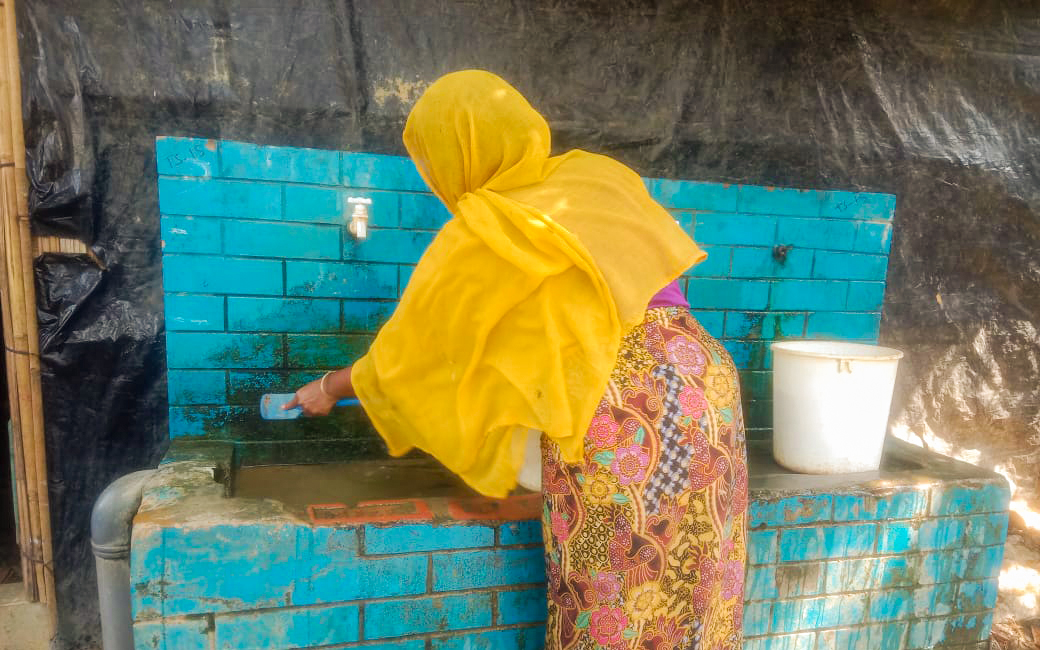
Installation and upgrading of WASH facilities, including handwashing devices
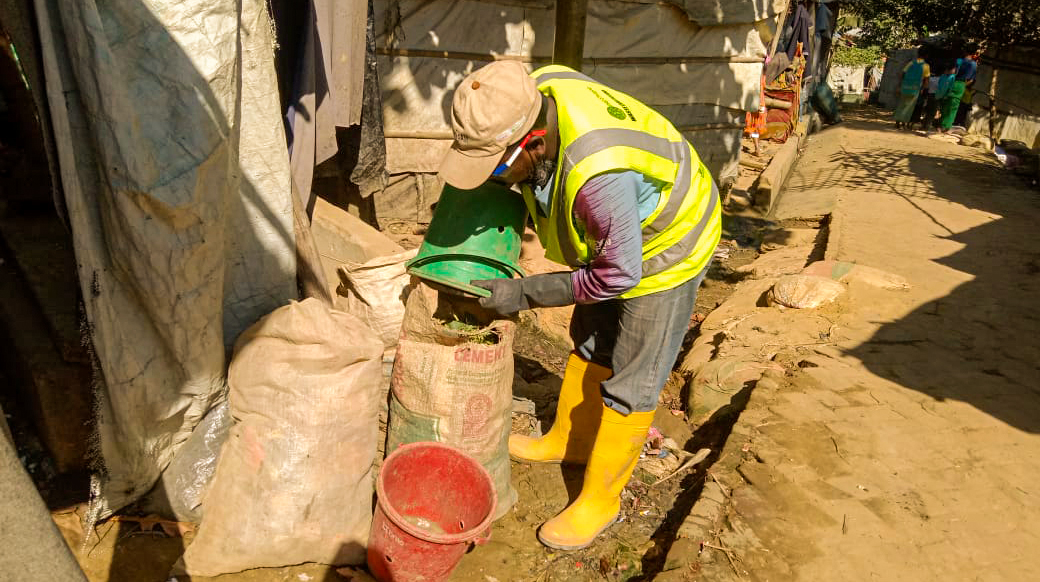
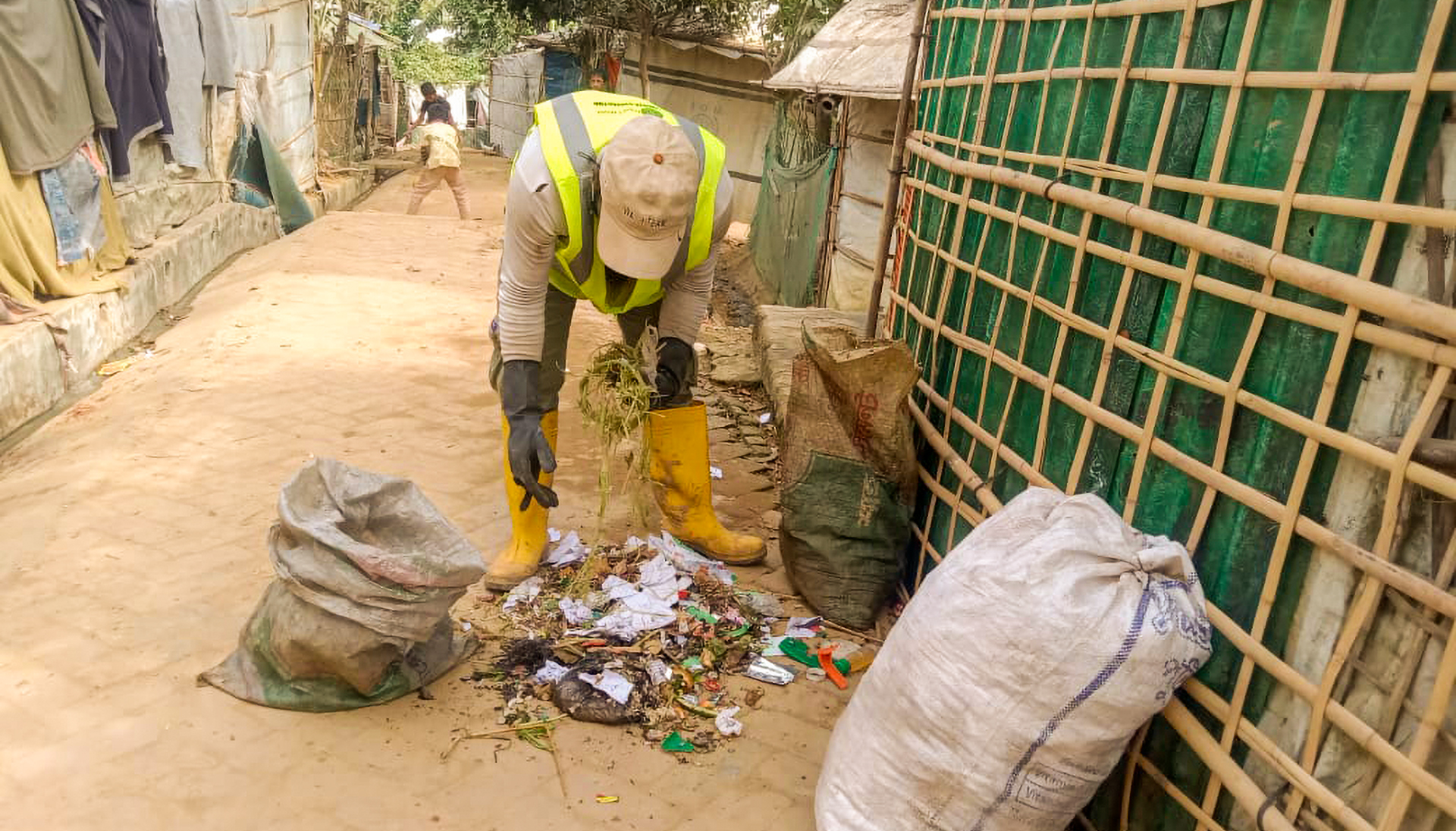
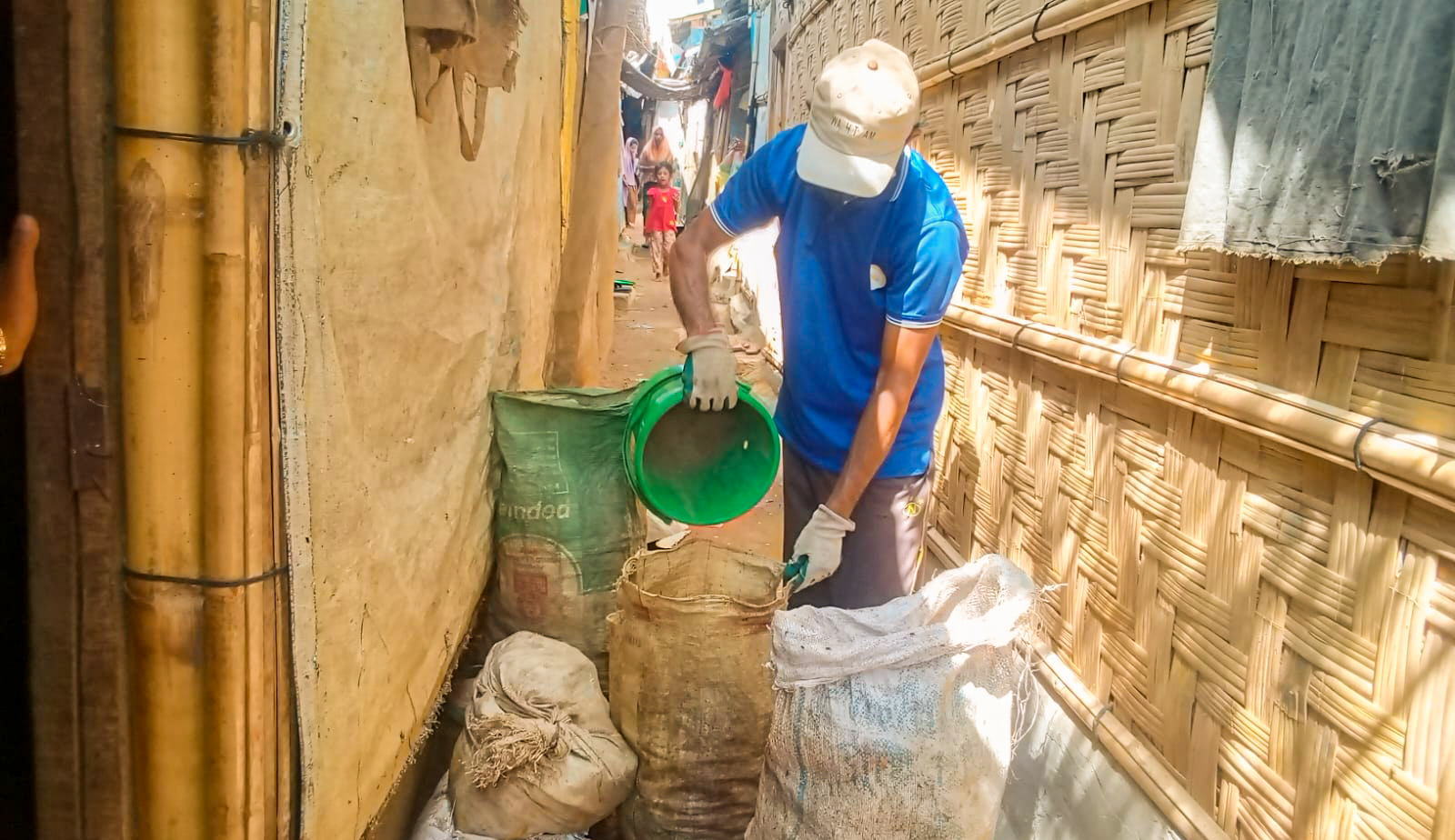
Solid Waste Management (SWM): waste collection, segregation, and safe transportation
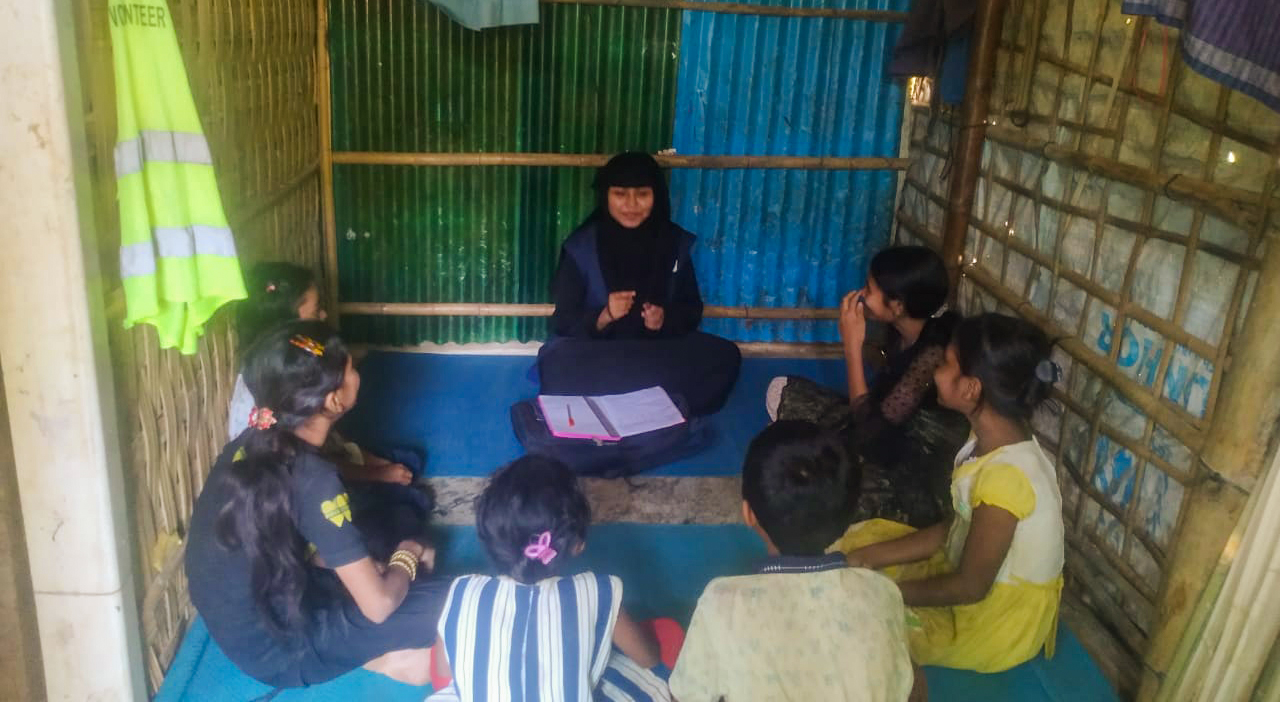
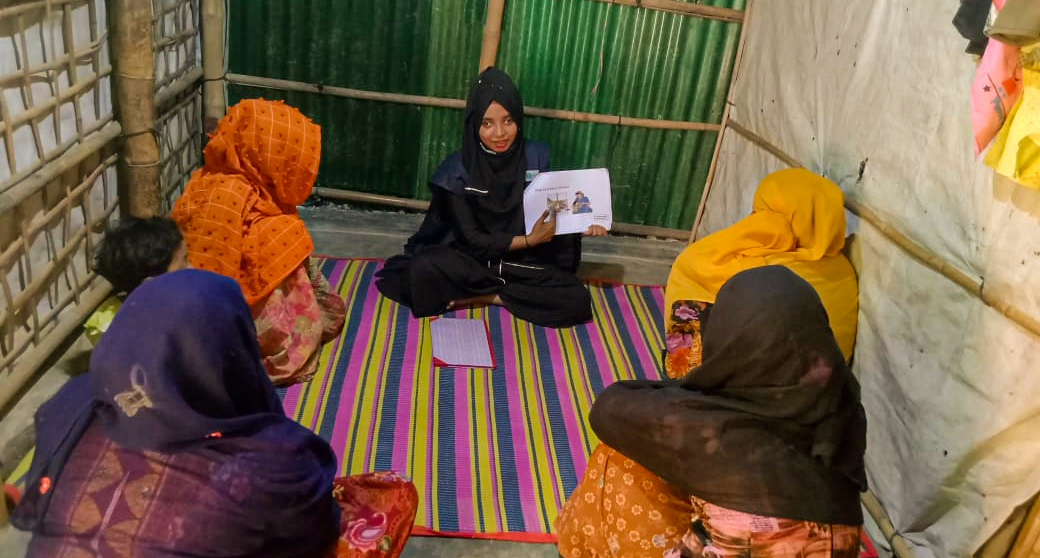
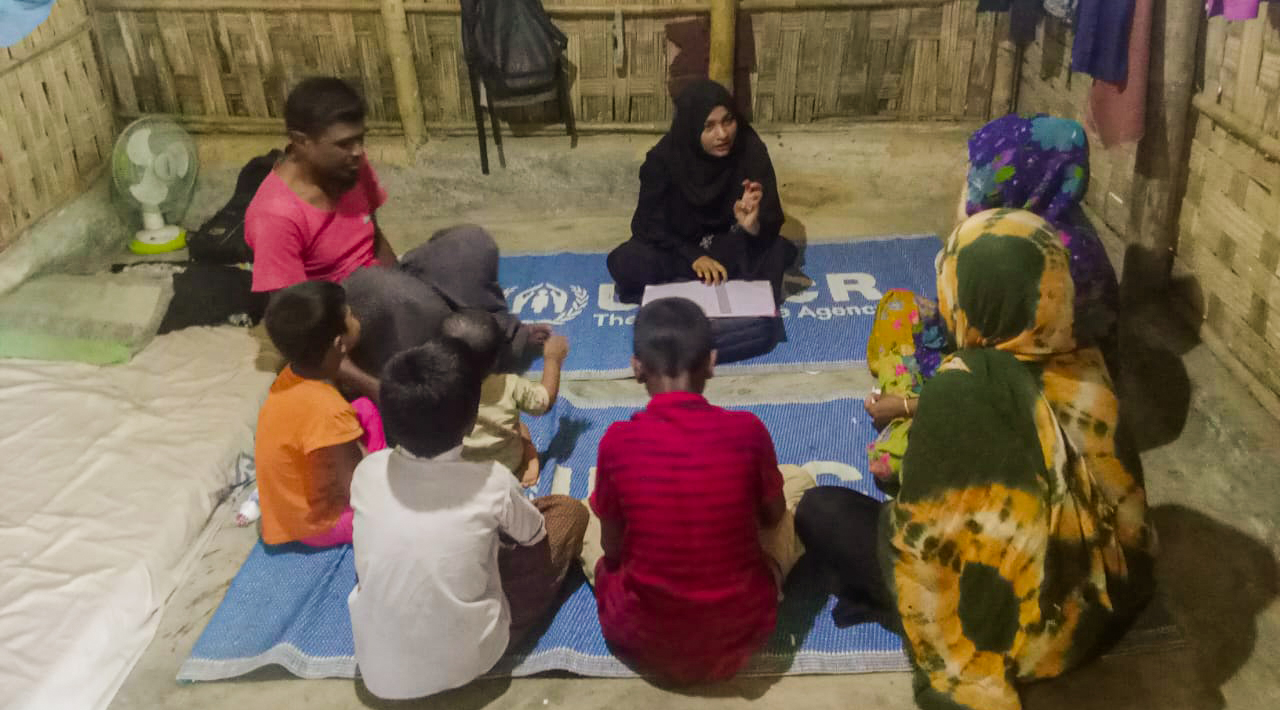
Hygiene awareness sessions for adults and children to promote positive hygiene behaviors
Menstrual Health Management (MHM) sessions with adolescent girls
Male engagement in household-level WASH practices to encourage gender-inclusive hygiene responsibilities
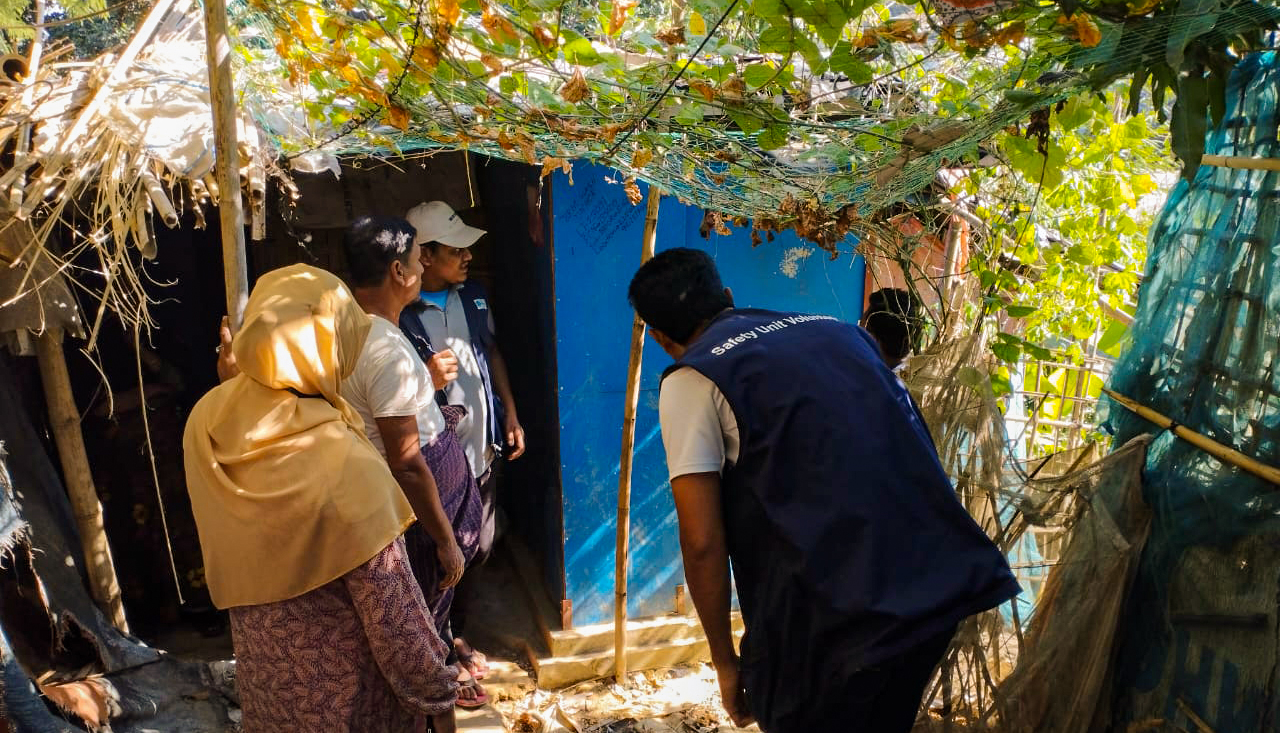
Community feedback sessions and user group meetings to ensure participation and responsiveness
Decommissioning of non-functional WASH infrastructure
Celebration of key WASH-related days (e.g., Global Handwashing Day, World Toilet Day)

Project Goal
To improve public health and reduce WASH-related risks among Rohingya communities by ensuring equitable access to safe sanitation, promoting inclusive hygiene practices, and strengthening community-led hygiene management systems.

Geographical Coverage
The project was implemented in Camp 03 (Block E & G) in Ukhiya, Cox’s Bazar, Bangladesh, targeting Rohingya refugee populations residing in these areas.

Targeted Beneficiaries
The project targeted 10,725 Rohingya refugees (5,478 female and 5,247 male) residing in Camp 03 (Block E & G), Ukhiya, Cox’s Bazar. Priority was given to children, adolescent girls, and persons with disabilities (PWDs) to ensure equitable access to WASH services.
Programme Highlights
Strengthening Community Hygiene for Better Health
The project enhanced public health among Rohingya communities by improving access to WASH services for over 10,000 people, with a focus on children, adolescent girls, and persons with disabilities. Through infrastructure upgrades, hygiene promotion, and solid waste management, it fostered safer sanitation practices and a cleaner environment. Strong community engagement, including male participation and feedback mechanisms, ensured inclusive, sustainable hygiene behavior and long-term impact.
Donor & Partner
Stories of Inspiration
Project Gallery