





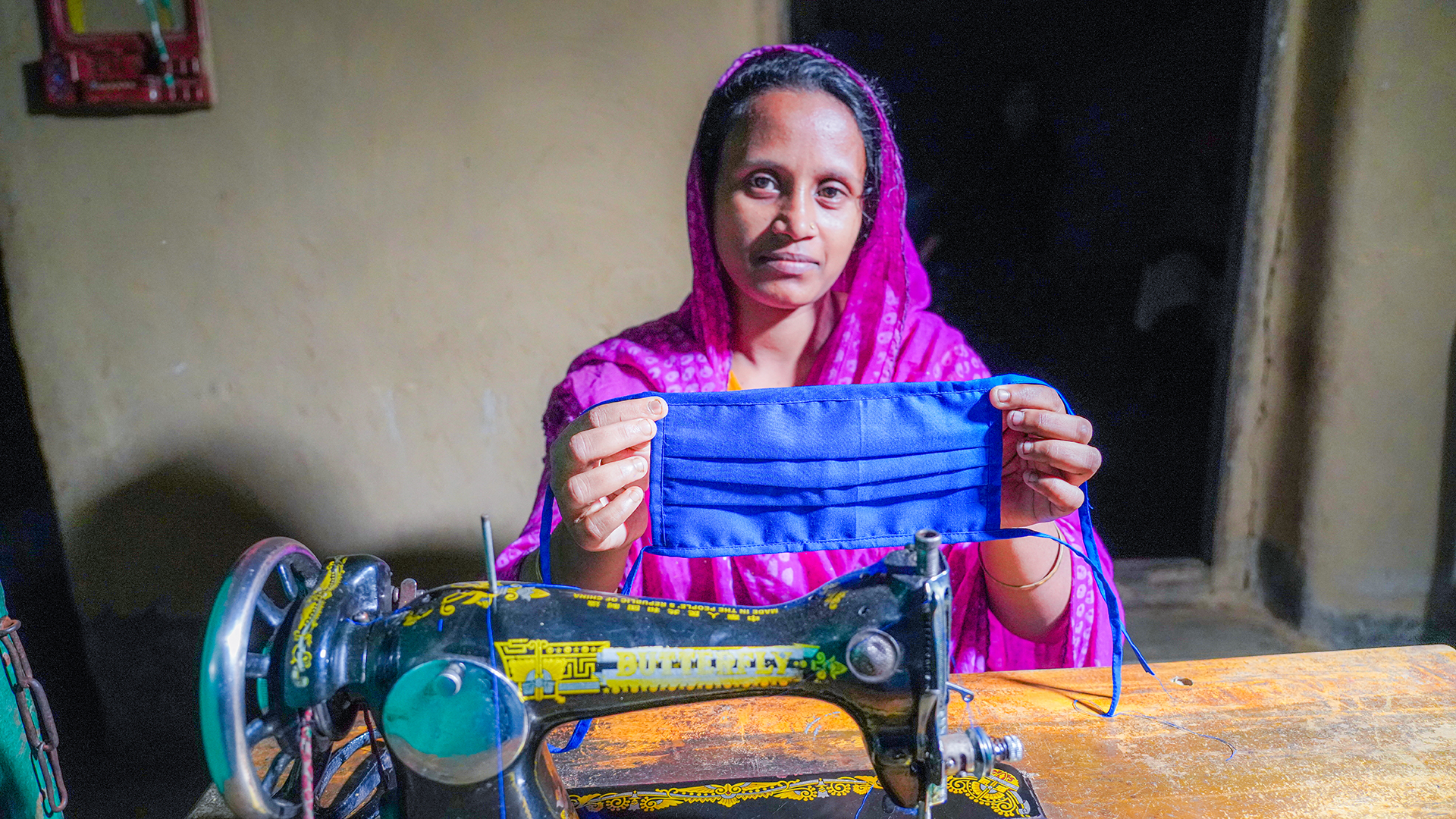
Washable Mask Production and Distribution among FDMN and Host Community as Part of Emergency COVID-19 Response in Cox’s Bazar, Bangladesh
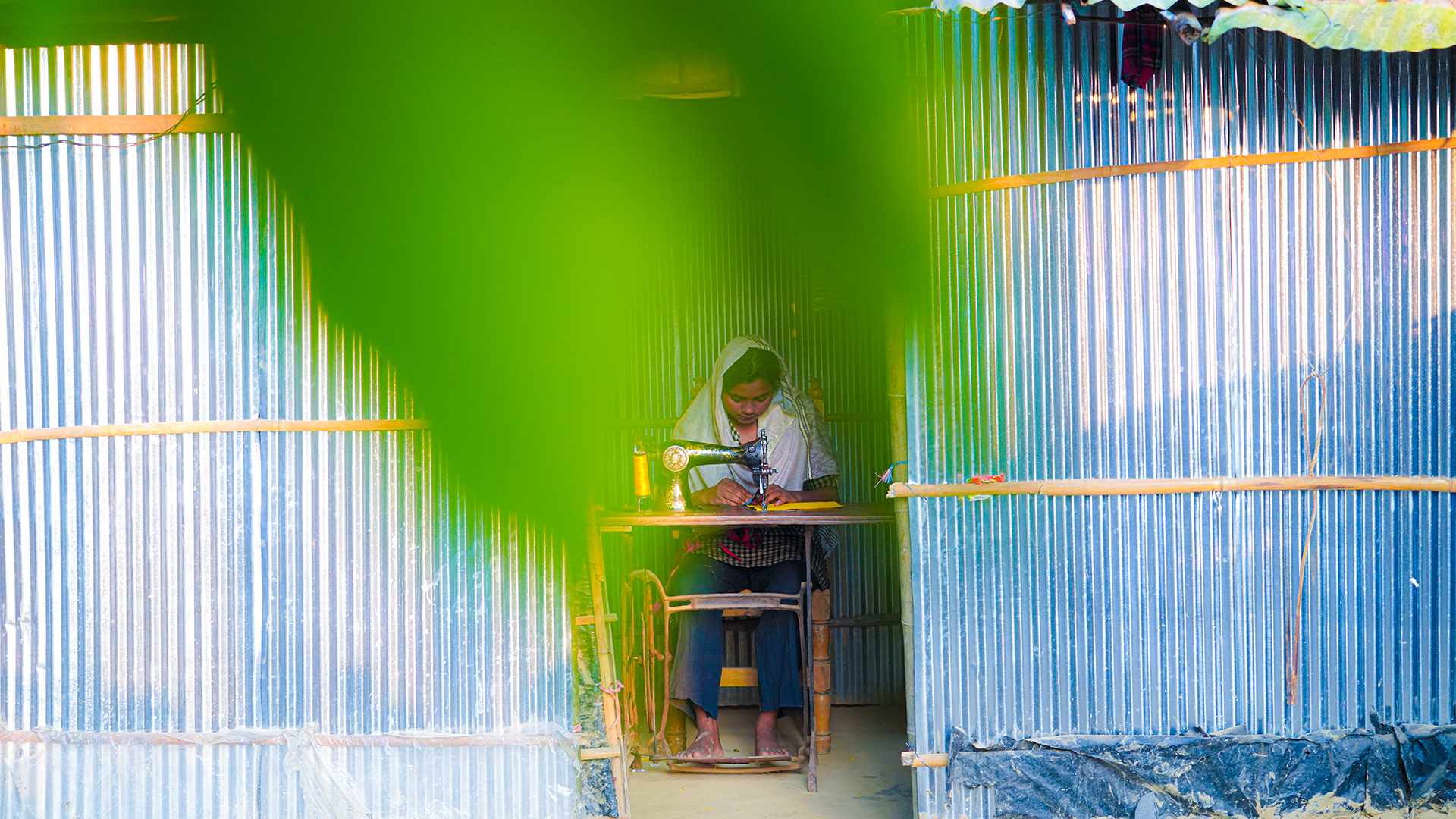
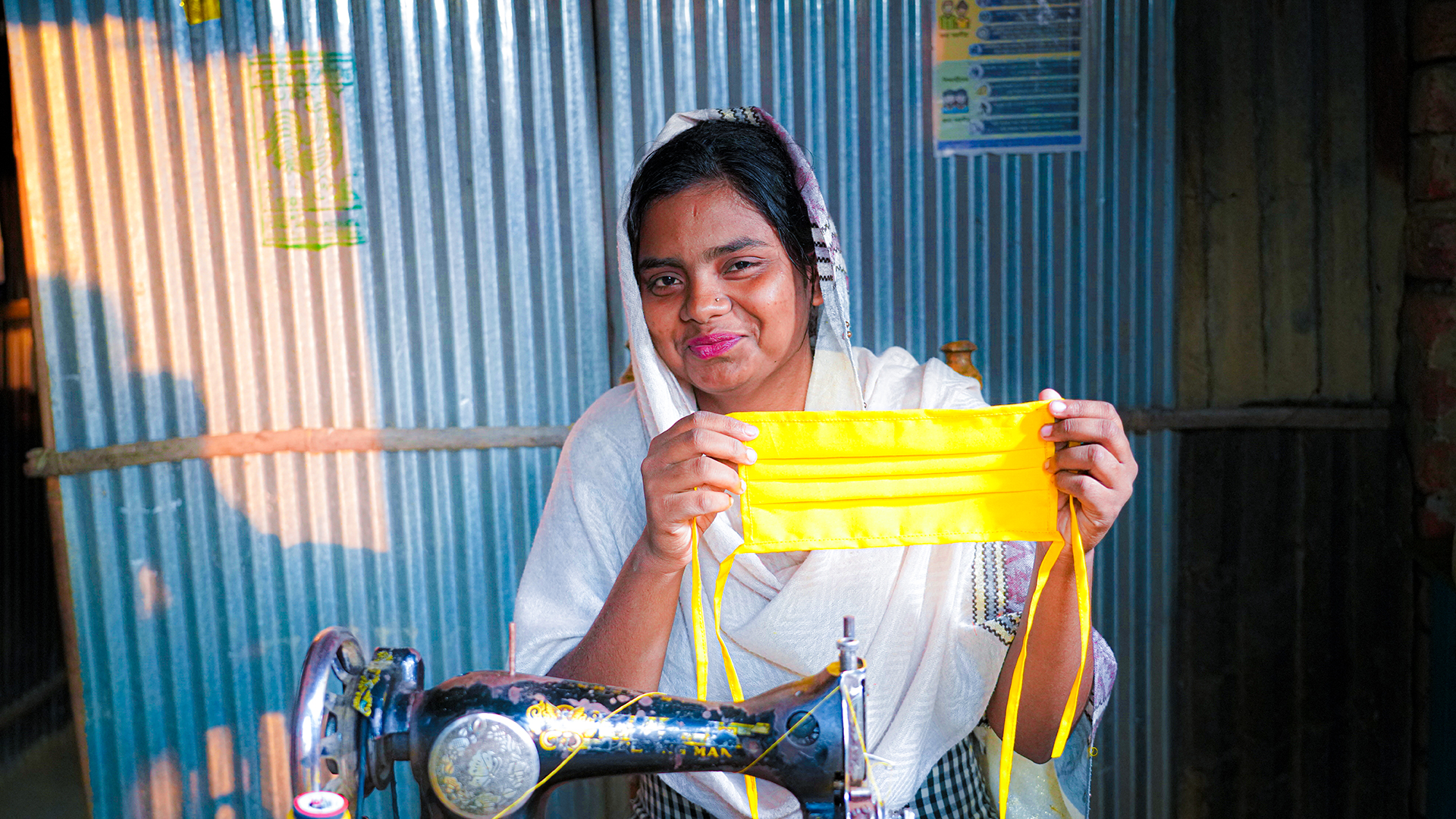
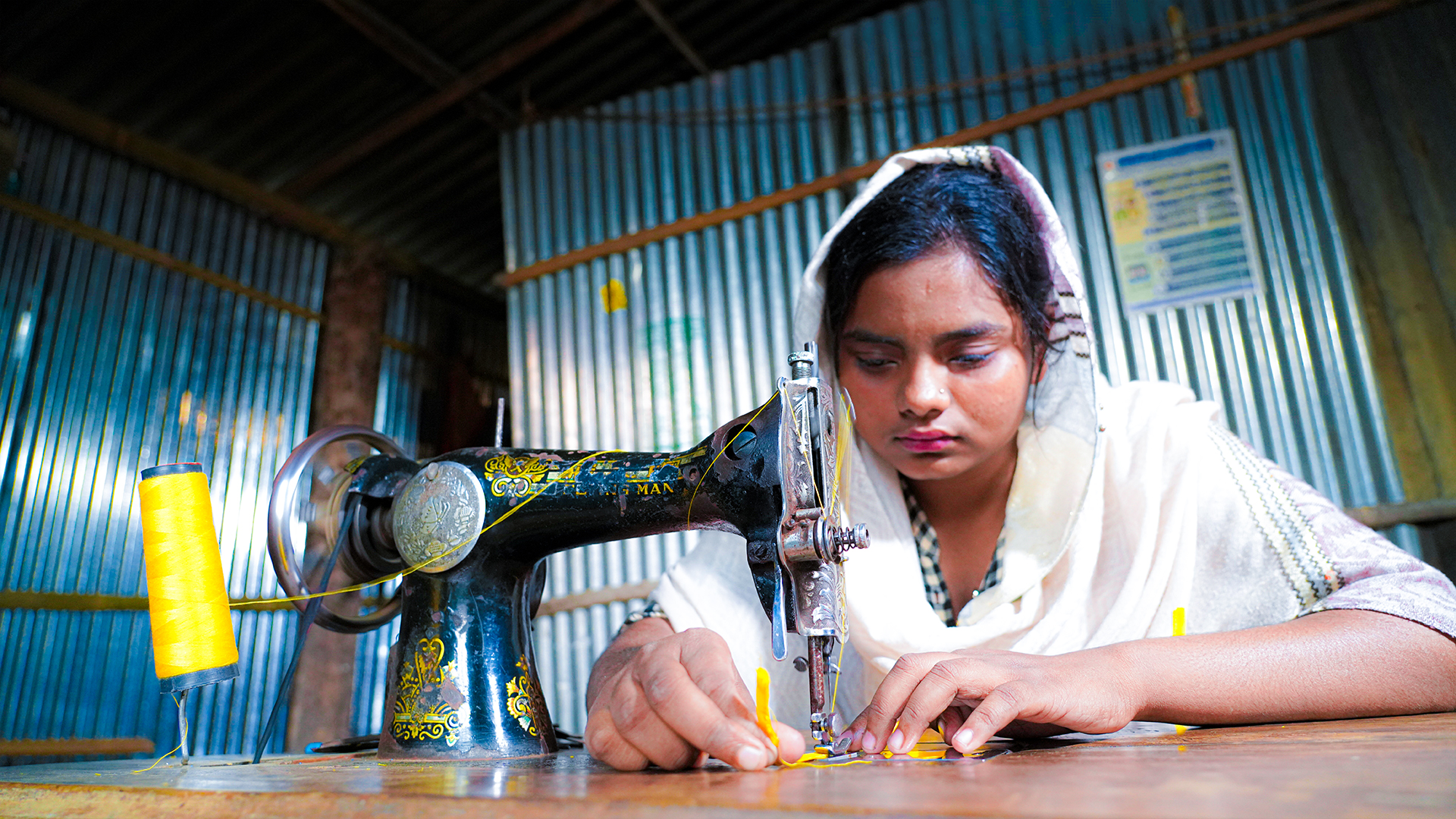
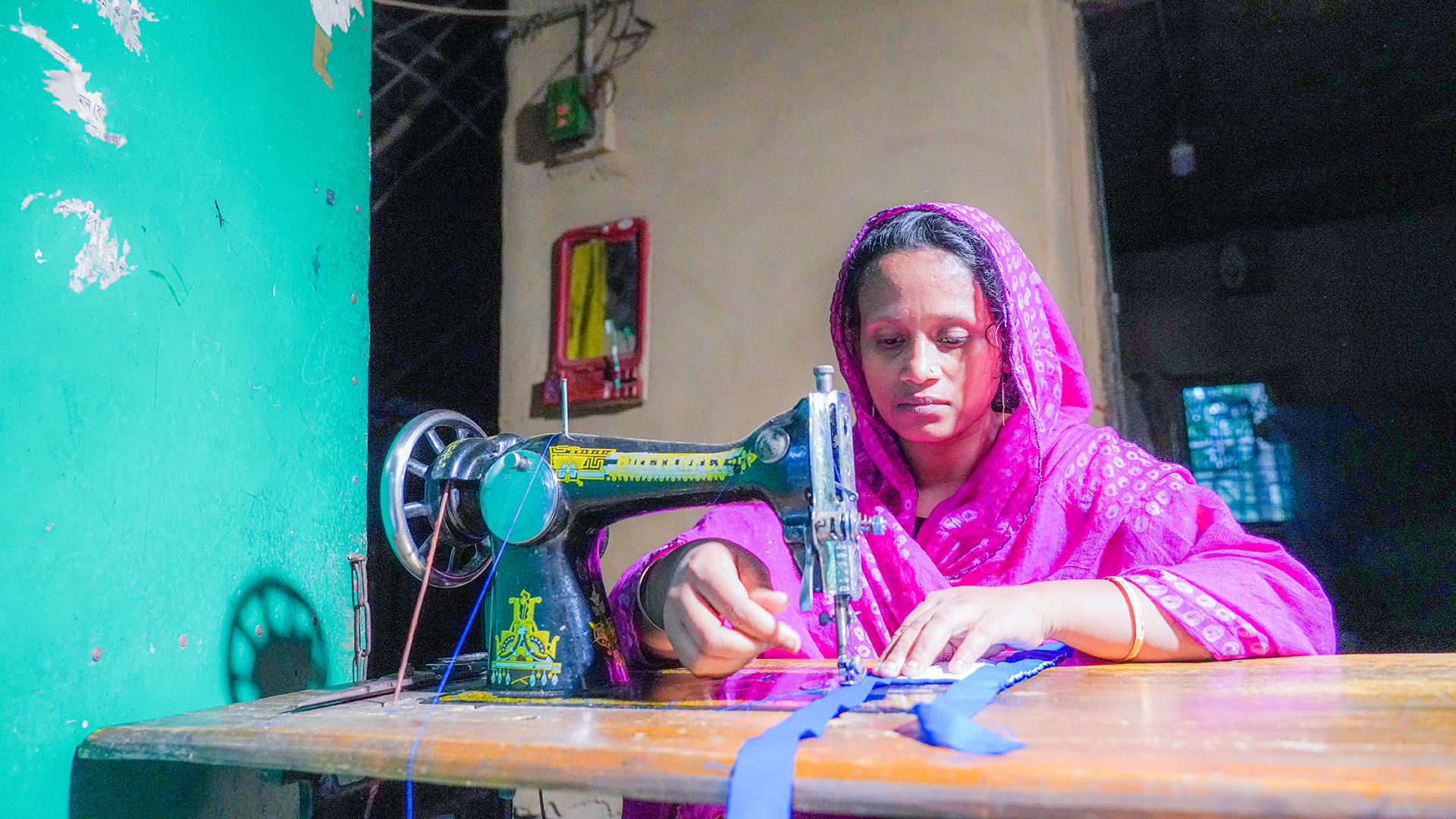
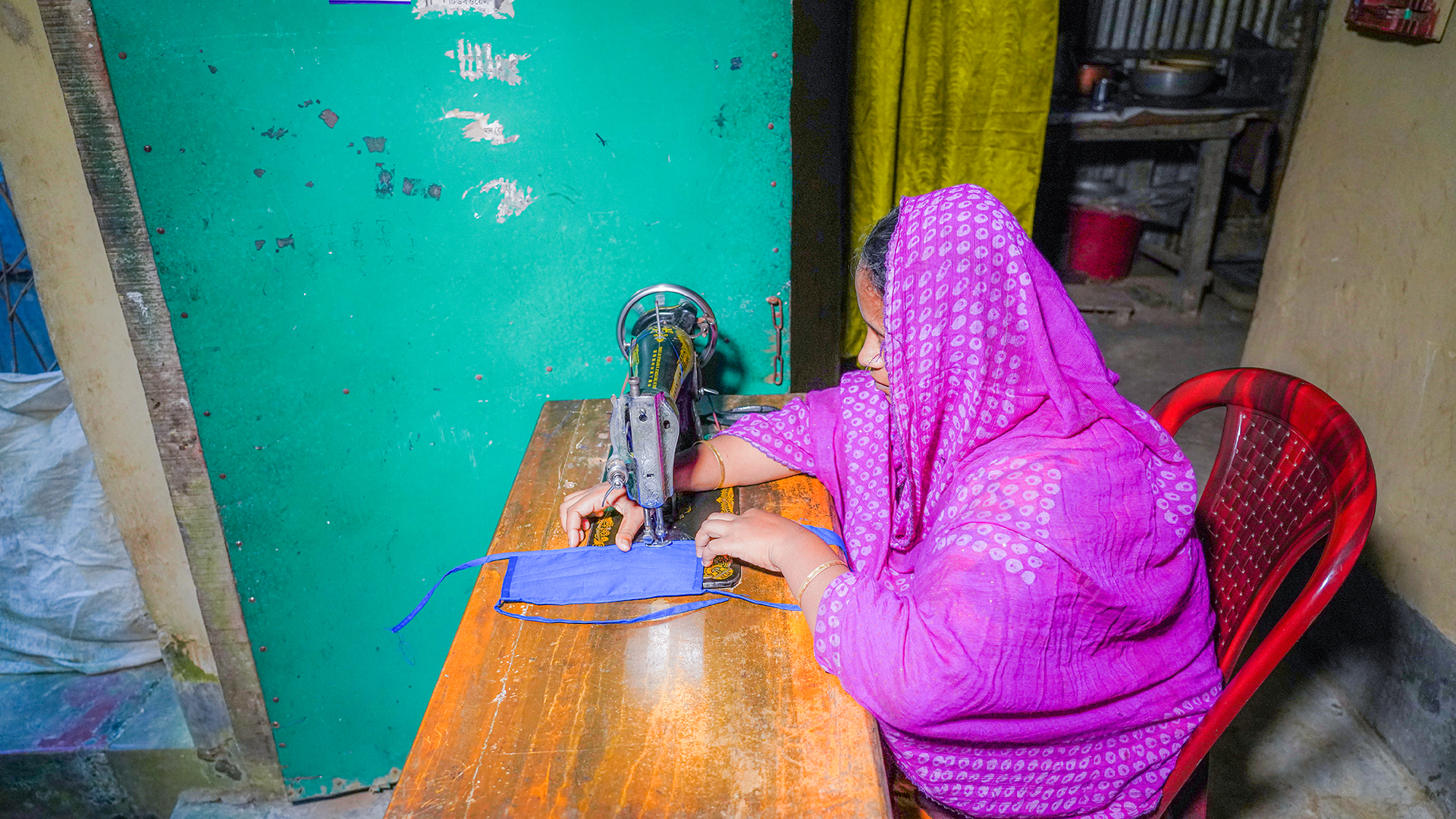
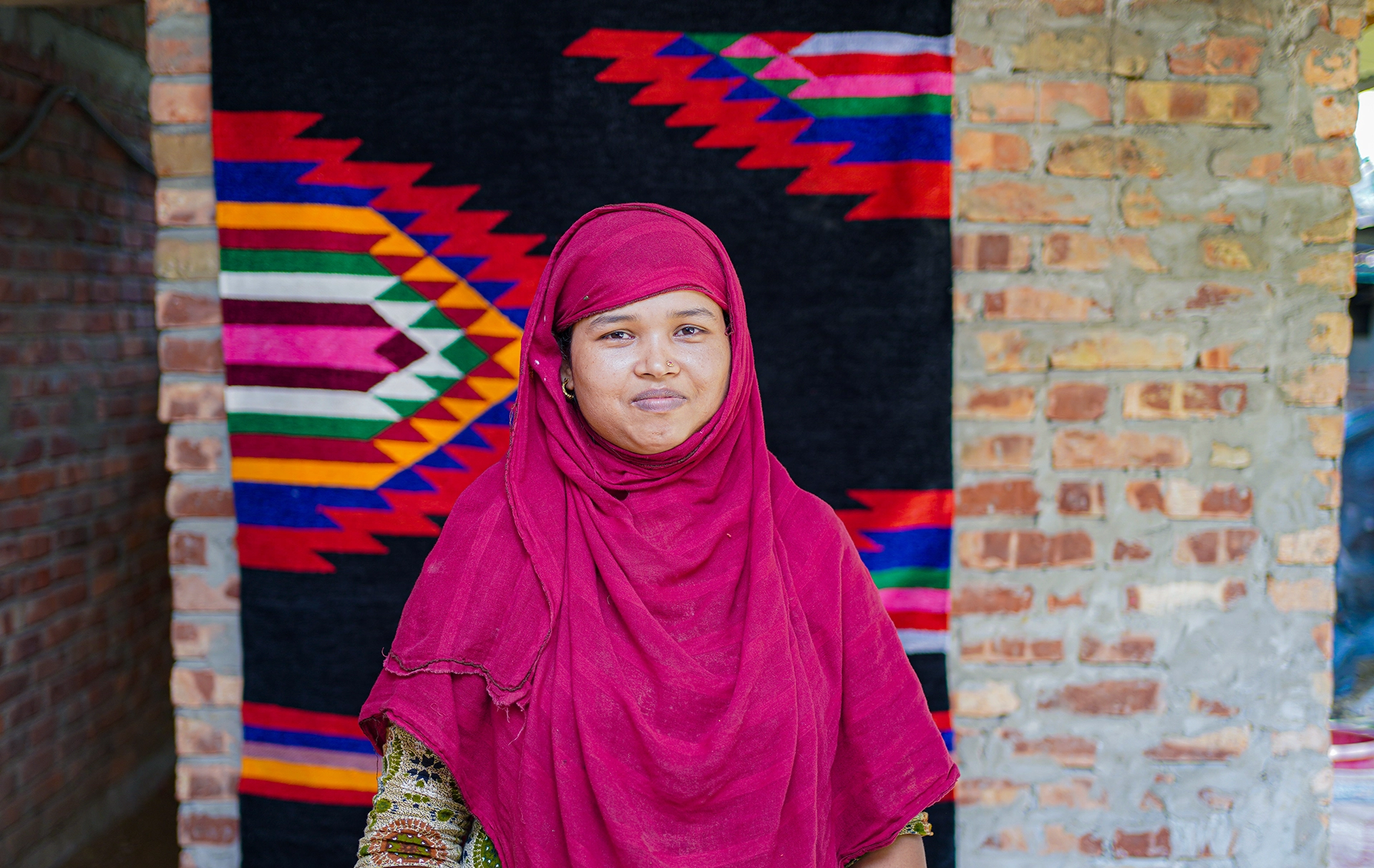
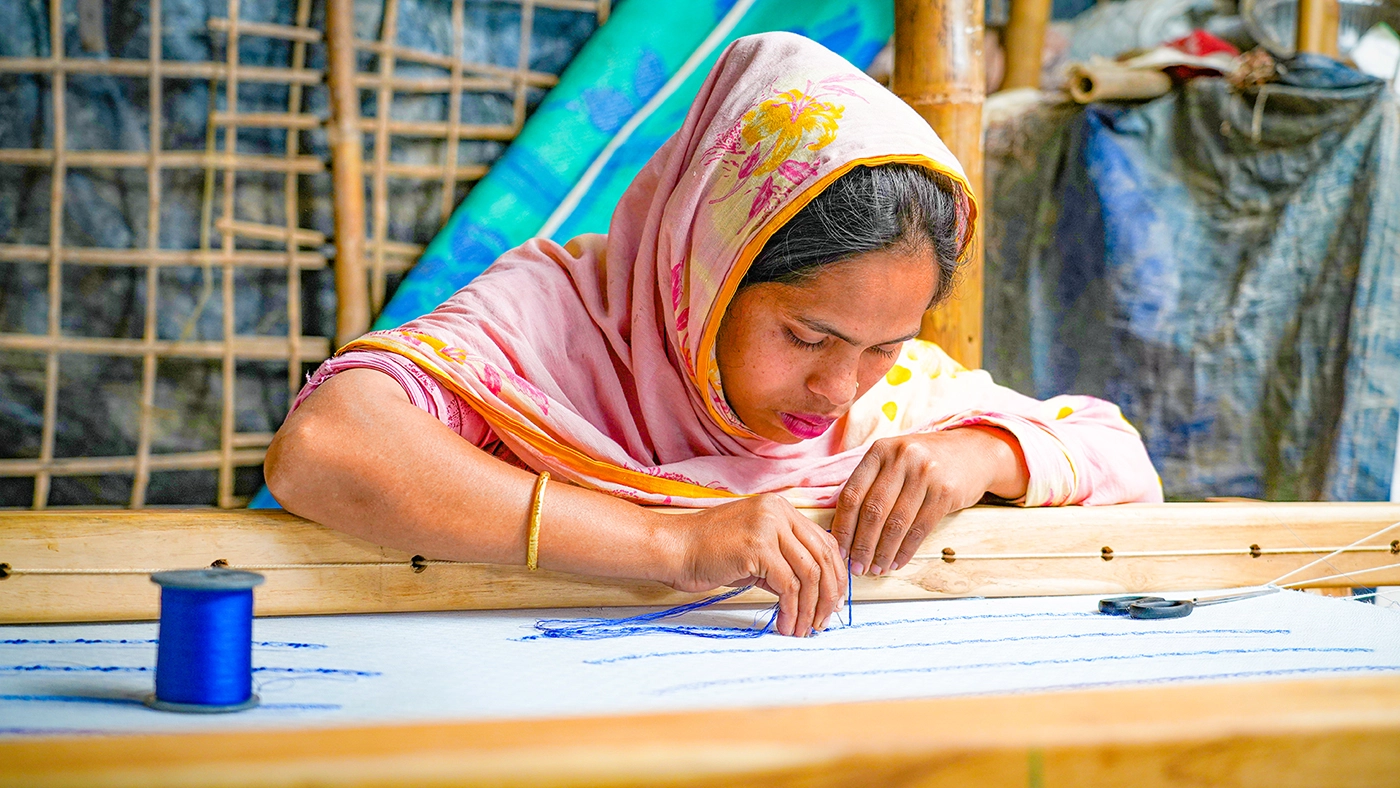
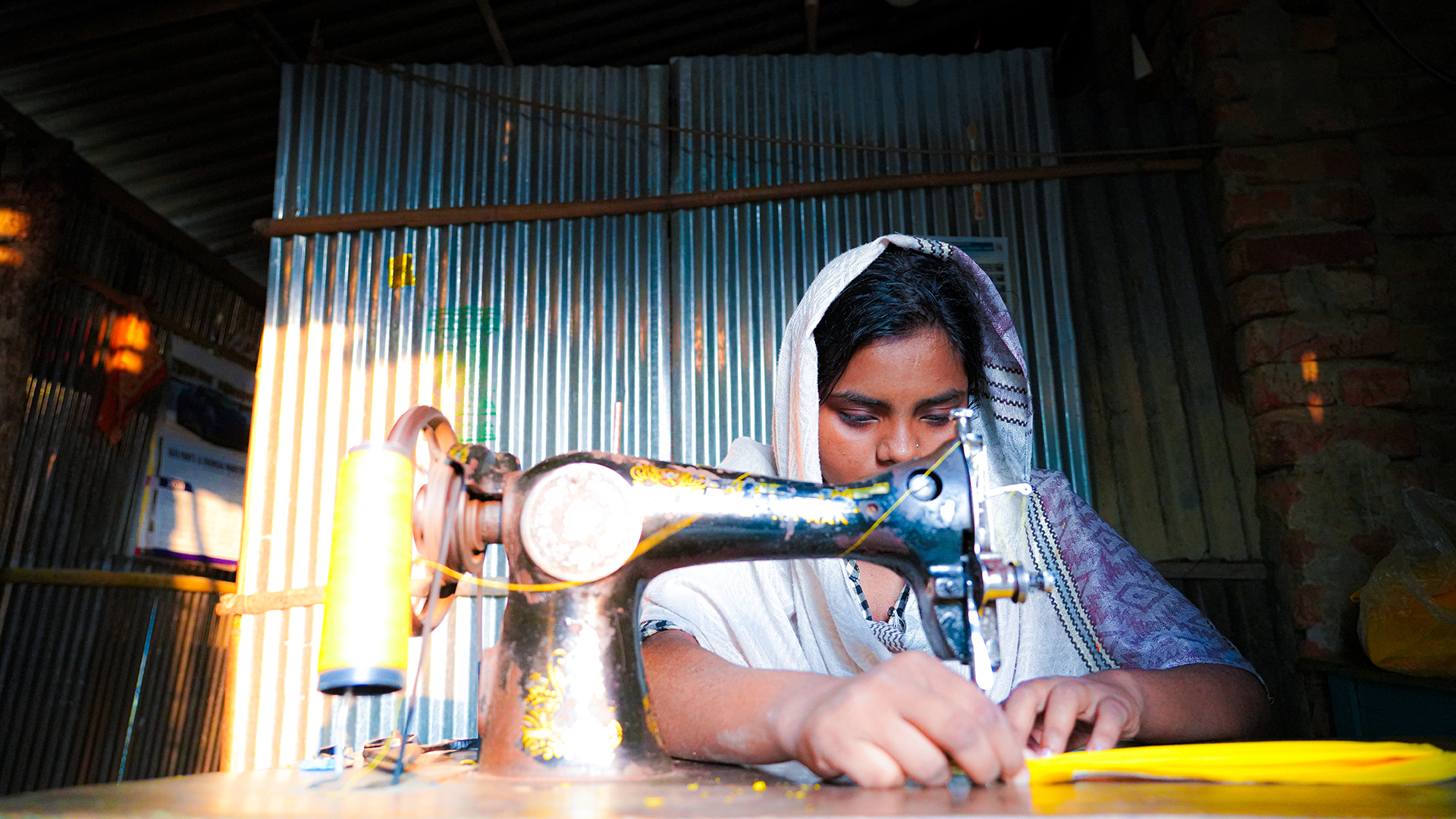
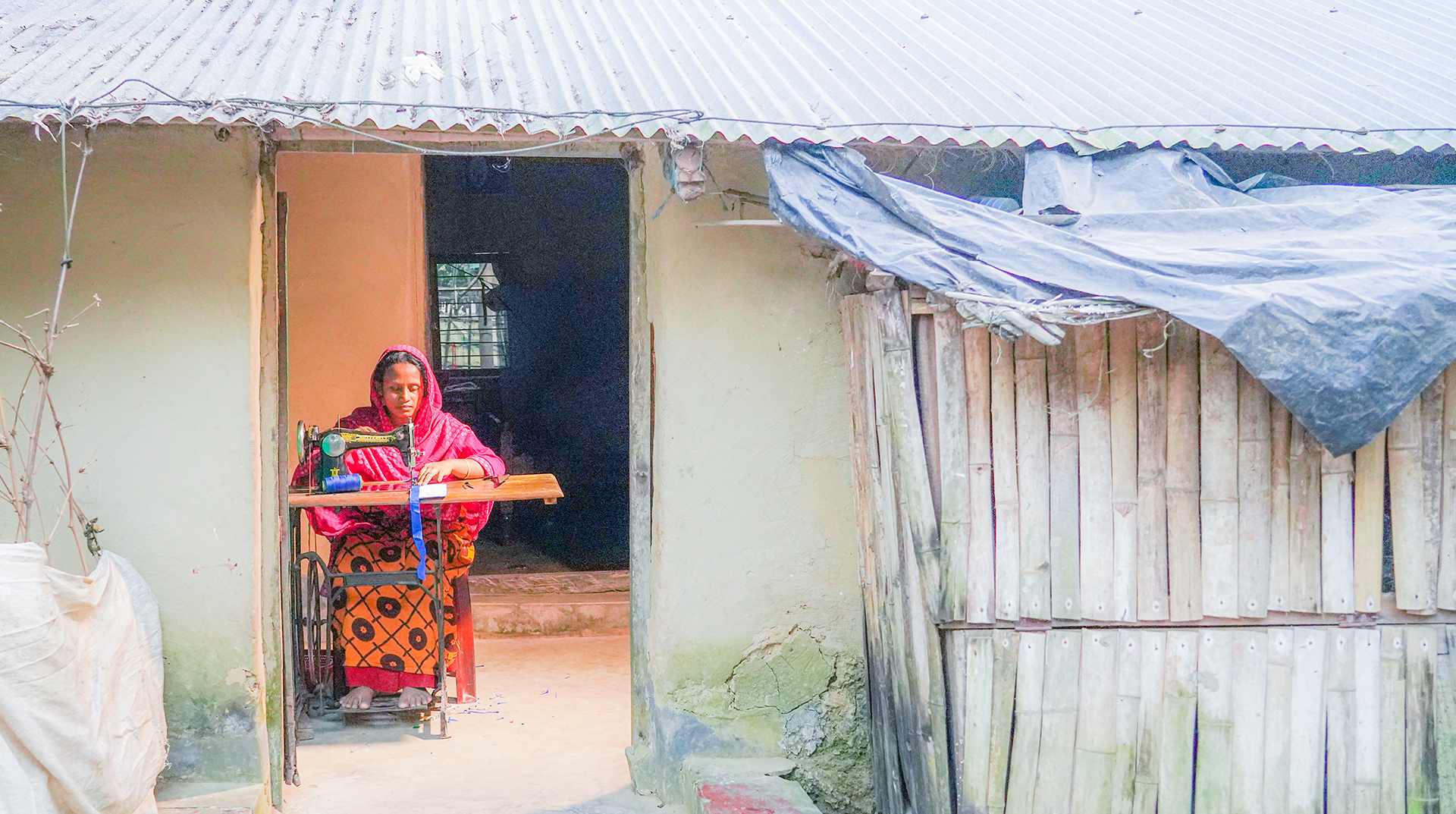
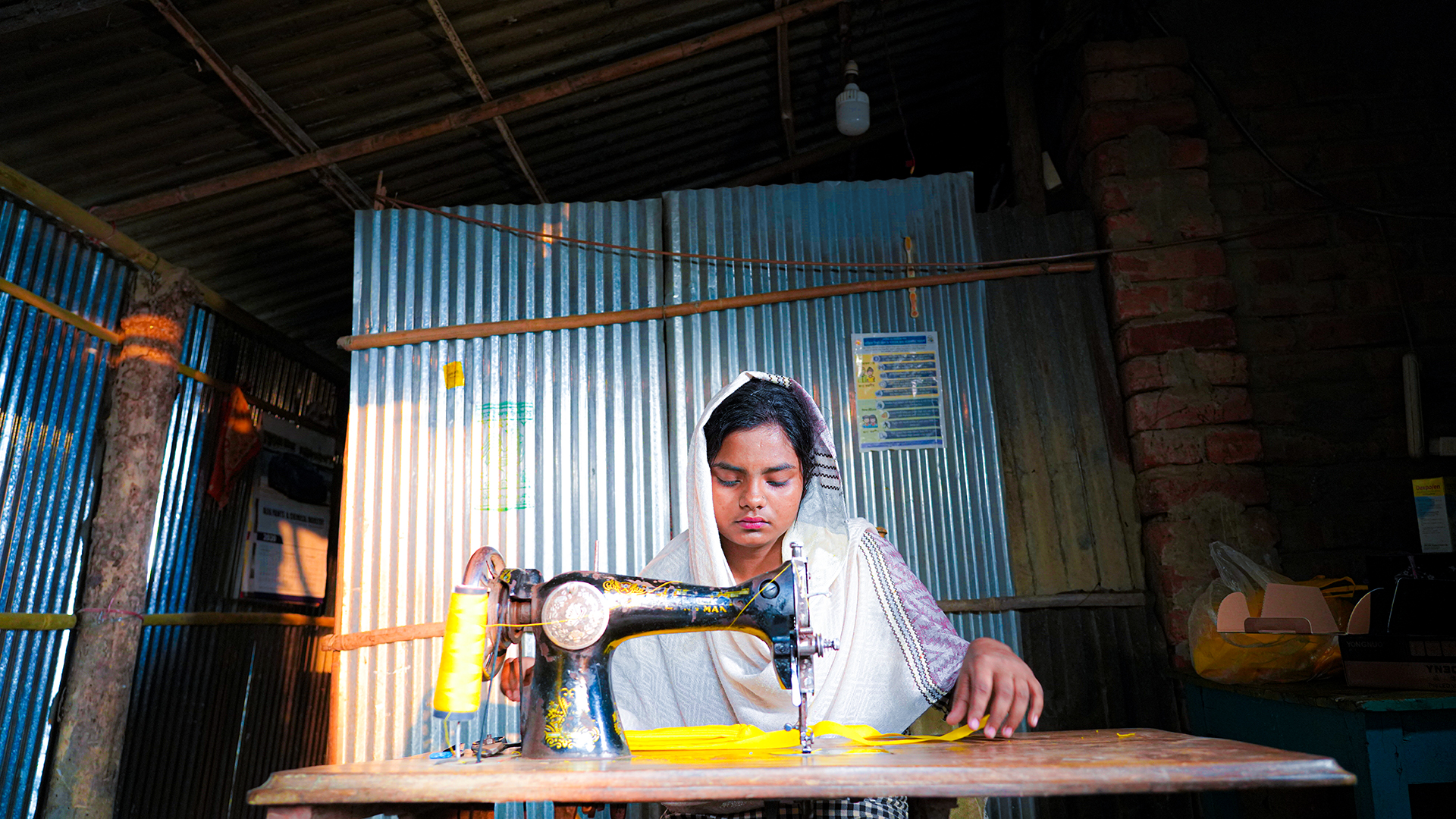
As part of an emergency COVID-19 response, the initiative engaged vulnerable women from host and displaced communities in the production of washable face masks. Participants were provided with input support such as scissors and sewing materials, enabling them to utilize their existing sewing skills and equipment. In return, they received cash-based remuneration for their work, contributing to improvements in their household income and overall livelihood.
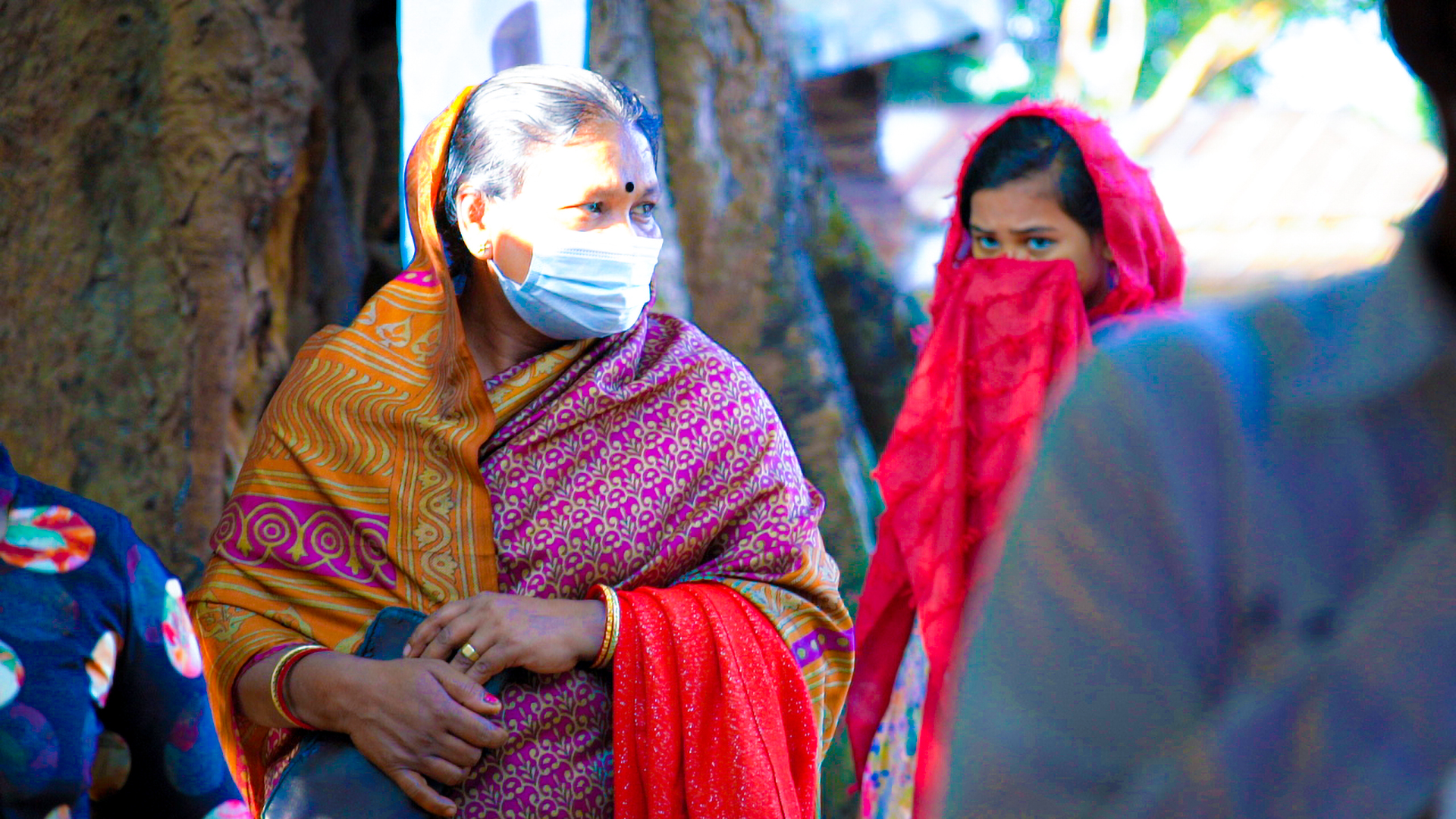
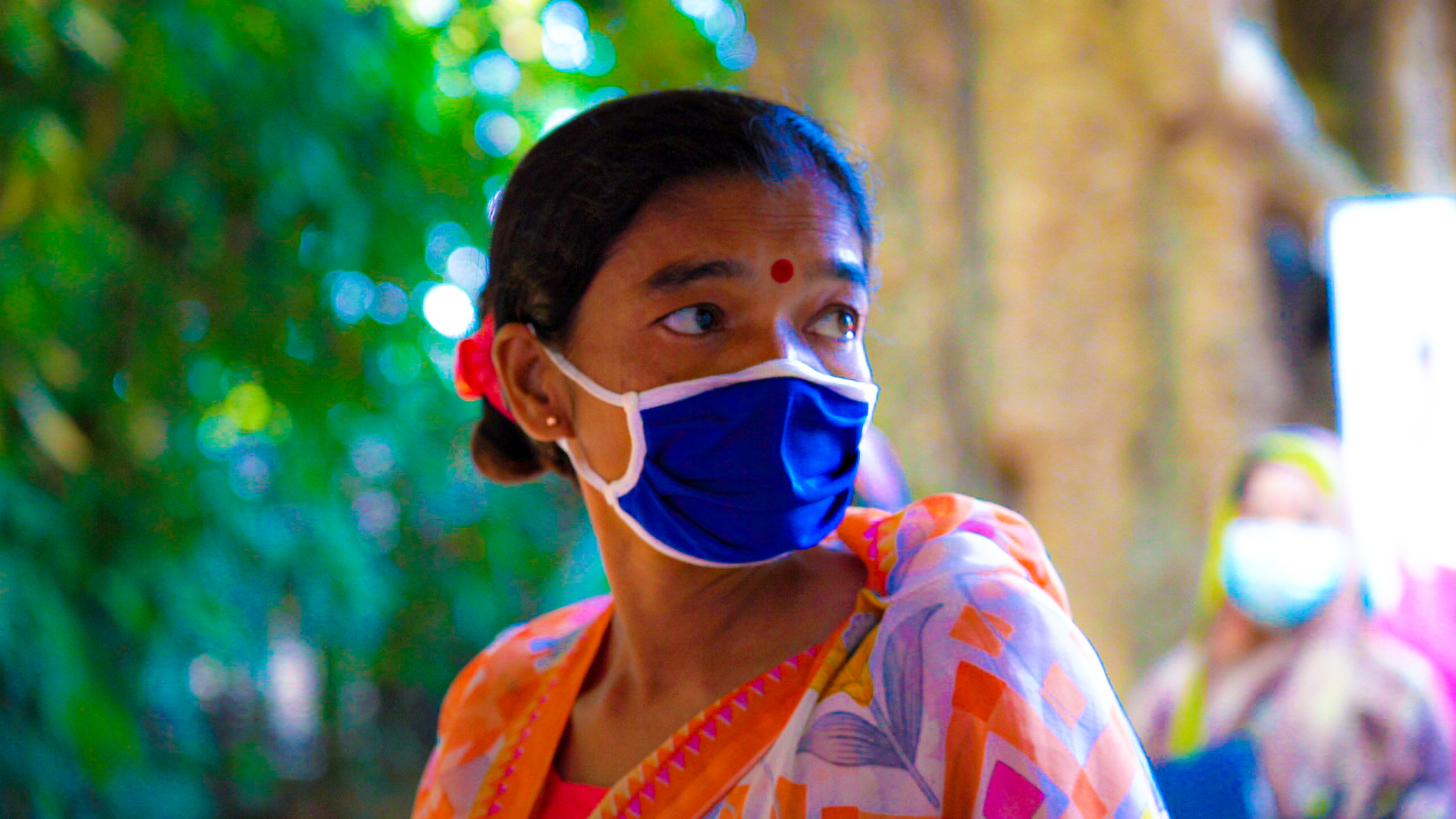
The washable, three-layer face masks produced under the initiative were distributed across various host community unions and makeshift settlements through the support of local volunteers. Thi... Read More
Major Achievements
600
600 women were empowered through temporary employment, enhancing their household incomes during a critical emergency period.
7,728,000
Earned a total of BDT 7,728,000 contributing to improved livelihood resilience among marginalized families.
553,000
553,000 reusable masks were produced and distributed, significantly reducing the risk of COVID-19 transmission in densely populated and high-risk areas.
82,431
82,431 households received face masks, boosting community-wide adherence to COVID-19 preventive measures.
Strong Community Engagement
Local resource mobilization and community engagement enhanced the project’s effectiveness and reach, making it a grassroots-driven intervention.
Sustainable & Scalable Model
Demonstrated a sustainable, scalable model for combining public health response with socio-economic empowerment during emergencies.
Major Activities
Engaged 600 vulnerable women from the host communities in Ramu (120), Maheshkhali (240), and Ukhiya (240) for washable face mask production.
Provided input support, including scissors and raw materials, to women who already owned sewing machines, enabling them to start production.
Facilitated temporary income generation by paying BDT 14 per mask, helping women earn and sustain their households during the pandemic.
Produced a total of 553,000 three-layer washable face masks, adhering to safety and quality standards.
Mobilized local volunteers to distribute the masks effectively within the community.
Ensured mask distribution to 82,431 households across the following areas:
Host communities: Rajarkul and Fatekharkul (Ramu), Kakara, Saharbil, Koiyarbil, and Lokkharchar (Chakaria), Kalarmarchara and Hoanok (Maheshkhali)
Rohingya camps: Camp 4, 13, 22, 23, 25, and 27 in Ukhiya and Teknaf

Project Goal
To reduce COVID-19 infection risks while enhancing the income and resilience of vulnerable women through inclusive, community-centered mask production and distribution.

Geographical Coverage
Implemented in Ramu, Chakaria, Maheshkhali Upazila, and six camps in Ukhiya and Teknaf Upazila, Cox’s Bazar District, Bangladesh.

Targeted Beneficiaries
600 vulnerable women engaged in temporary employment for mask production, alongside tens of thousands of households benefiting from mask distribution across host and Rohingya communities.
Programme Highlights
Empowering Women While Strengthening Community Protection
The project provided a dual-impact intervention by addressing urgent public health needs while simultaneously improving economic resilience among vulnerable women. Through large-scale mask production and widespread distribution, the initiative contributed to reducing COVID-19 risks in high-density communities, while the income earned by participants strengthened household stability during a crisis.
Donor & Partner
Project Gallery