







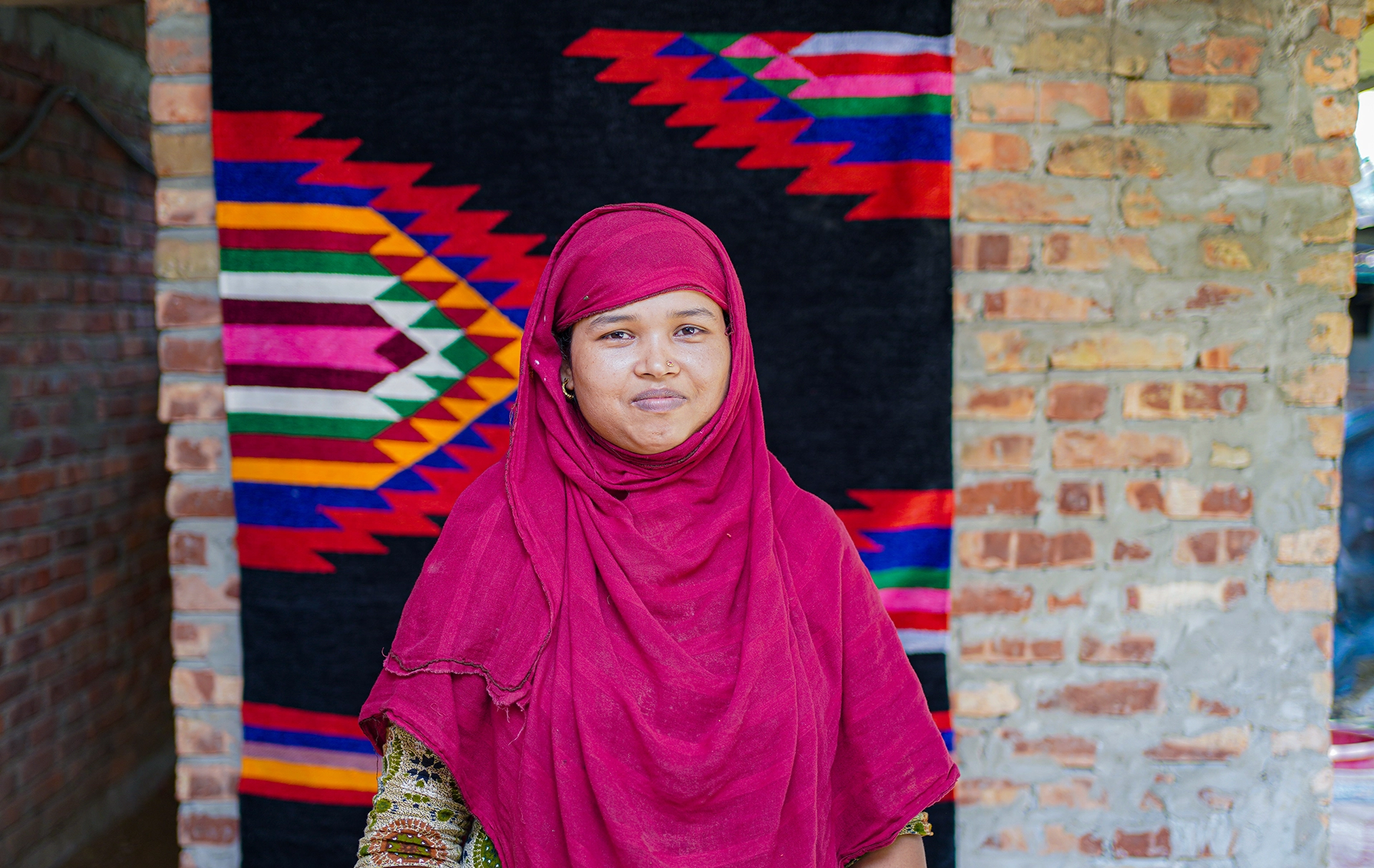
Fatema Begum, the daughter of Abu Syed, is a 37-year-old Rohingya woman who, like thousands of others, fled Myanmar in search of safety and a better future. She initially took refuge in Ukhiya, Cox’s Bazar, in 2017 and later relocated to Bhasan Char in 2021 with her husband and three children.
Life in the camps was incredibly challenging for Fatema. Her husband was chronically ill and unable to work, leaving the burden of supporting the family solely on her shoulders. Without financial assistance, she struggled to provide food for her children, let alone afford their education or her husband’s medical treatment. Each day was filled with anxiety and uncertainty about how she would sustain her family.
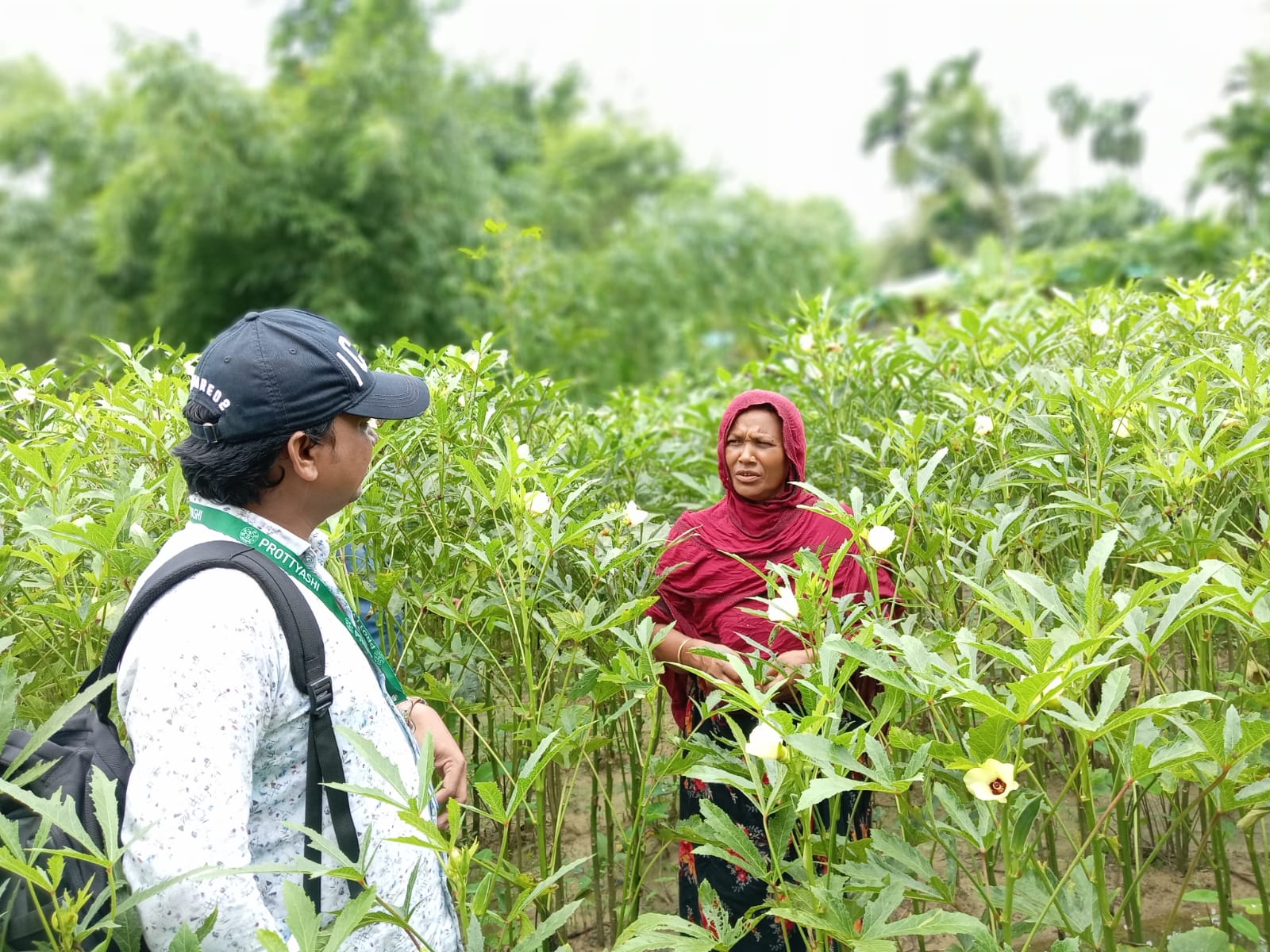
However, in late 2023, a turning point came in Fatema’s life when she learned about a skill development training program run by the Bangladeshi NGO PROTTYASHI. A Rohingya volunteer informed her about an opportunity to
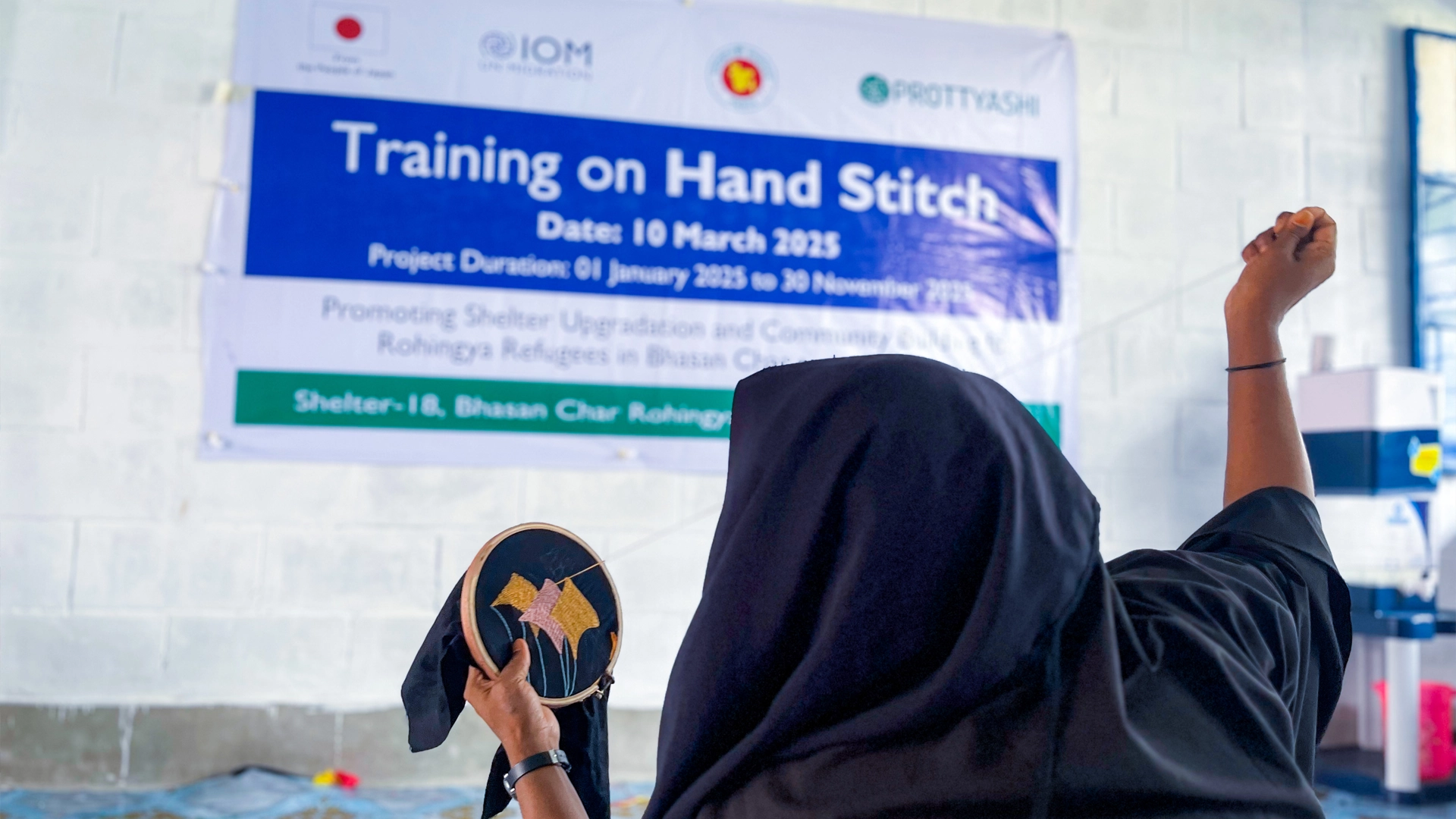
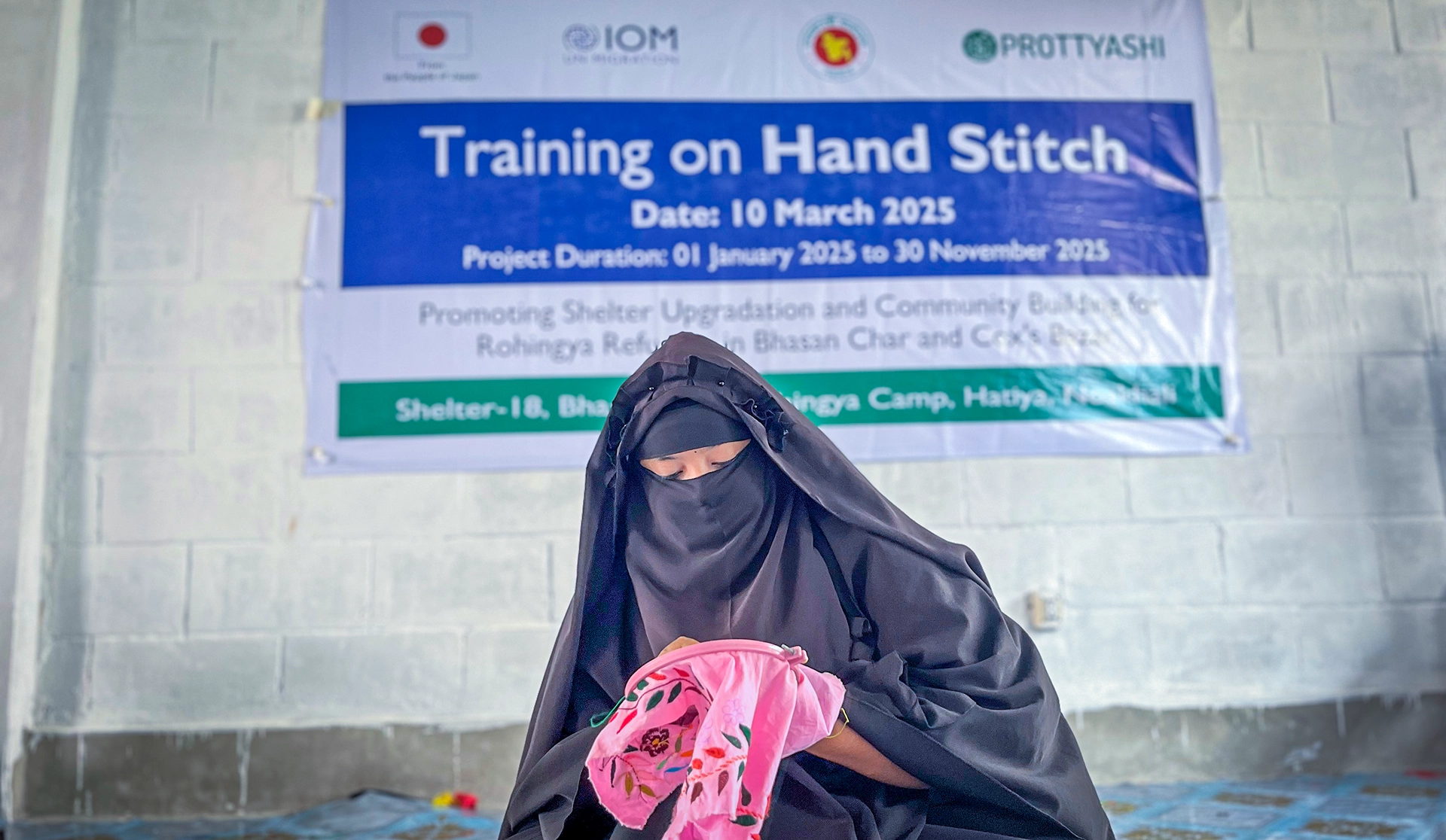
gain vocational skills, and she decided to attend a community counseling session at Shelter 18. There, she learned about the “Earning through Learning” initiative, which offered various livelihood training programs. Inspired and hopeful, she enrolled in a 20-day Hand Stitch (Nakshi Katha) training program.
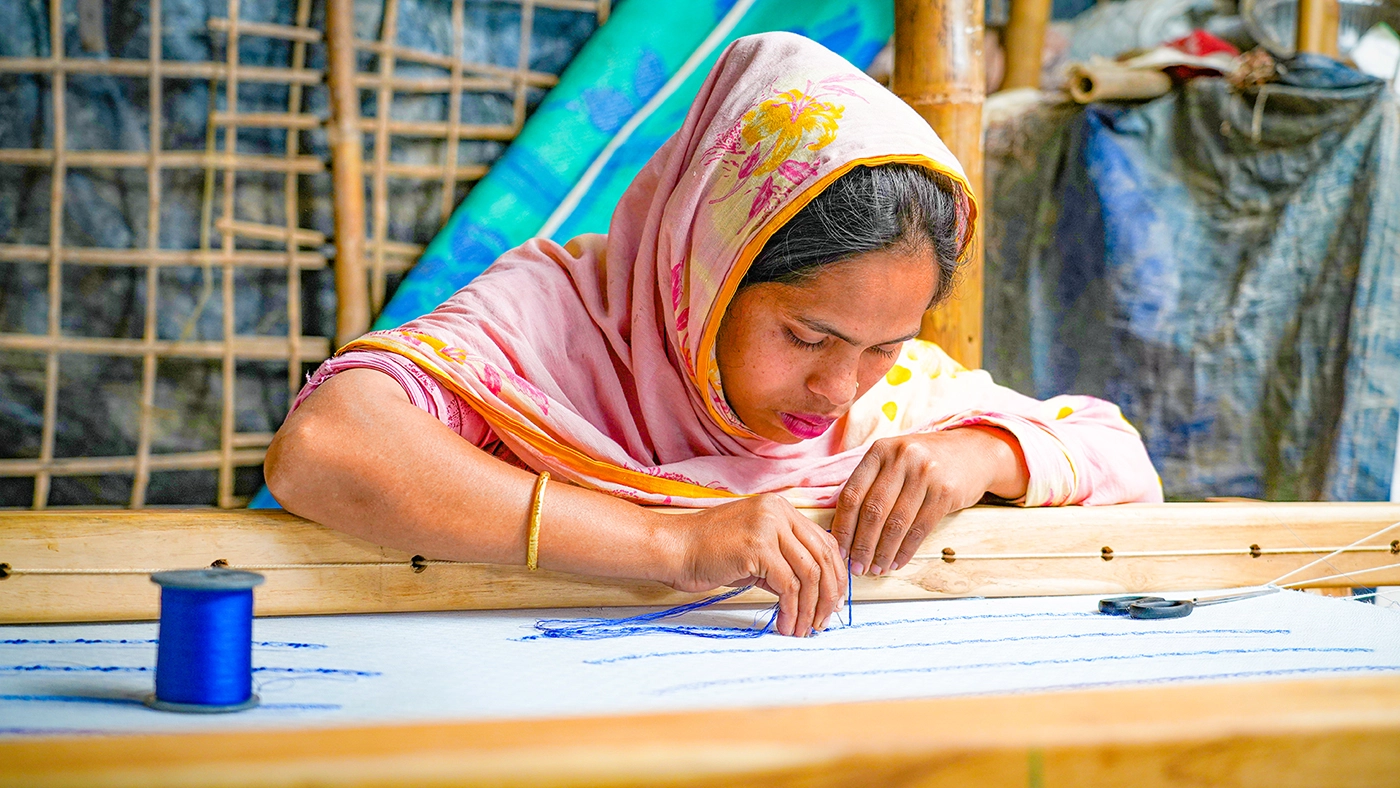
During the training, Fatema learned the skills to craft Nakshi Katha (traditional embroidered). Upon successful completion, she received materials and tools from PROTTYASHI to start her own production. With dedication and hard work, she began creating beautiful Nakshi Katha pieces, gradually improving her craft. Today, she earns 3,000–4,000 BDT per month through her handmade products.
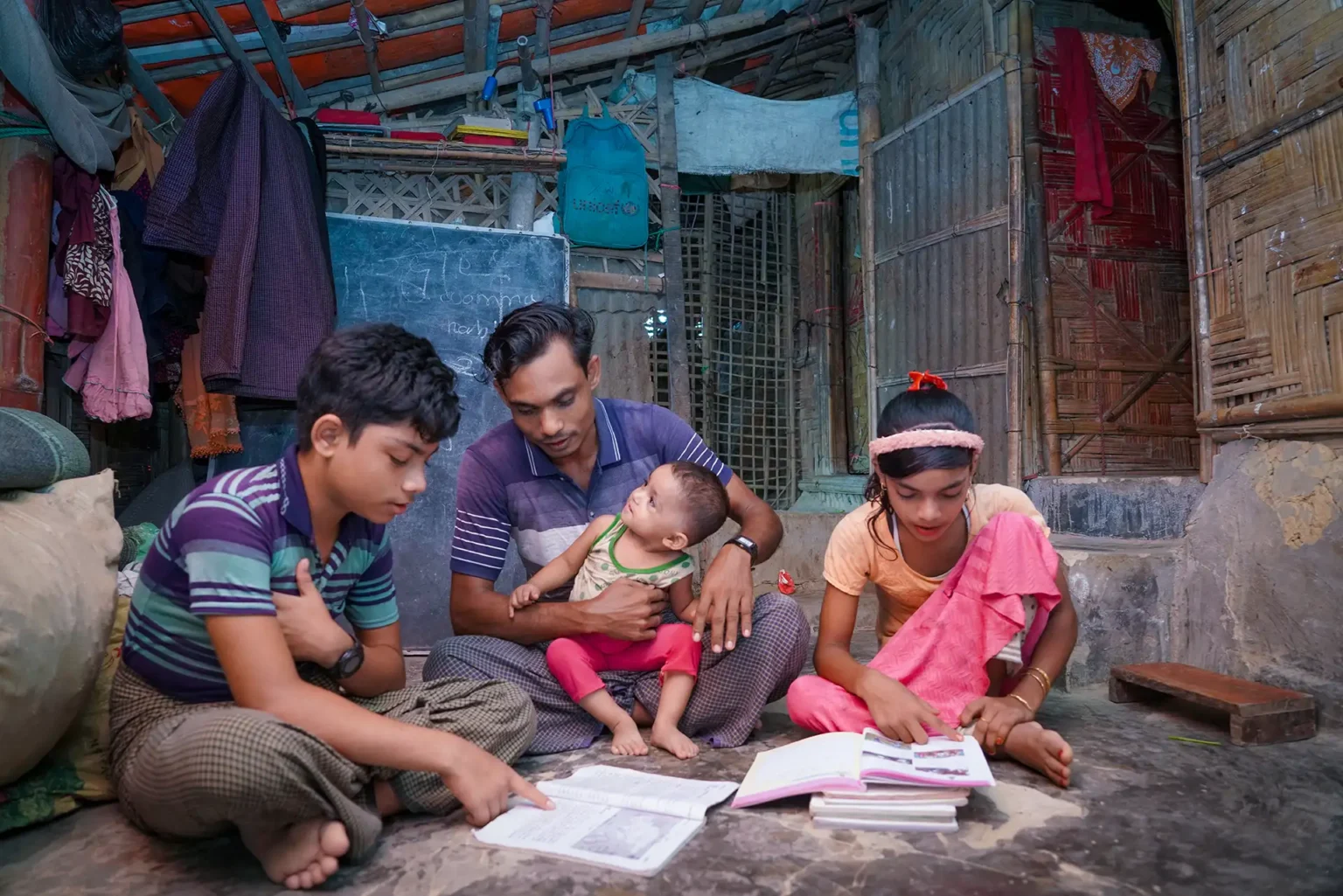
This newfound financial stability has transformed her life. Her children are now able to attend school, and she can afford proper treatment for her husband. The stress and anxiety that once consumed her days have been replaced by a sense of security and joy. She now enjoys a peaceful life with her family, free from constant worry.
Fatema expresses her heartfelt gratitude to PROTTYASHI for giving her the opportunity to rebuild her life. In her own words, she says, “Bohut kosto gojji, ahon gore teha di, ohon onek sudor hori choli, PROTTYASHI r jonno doa gori” (I suffered a lot, but now I can work from home, and my life has become much better. I pray for PROTTYASHI).