






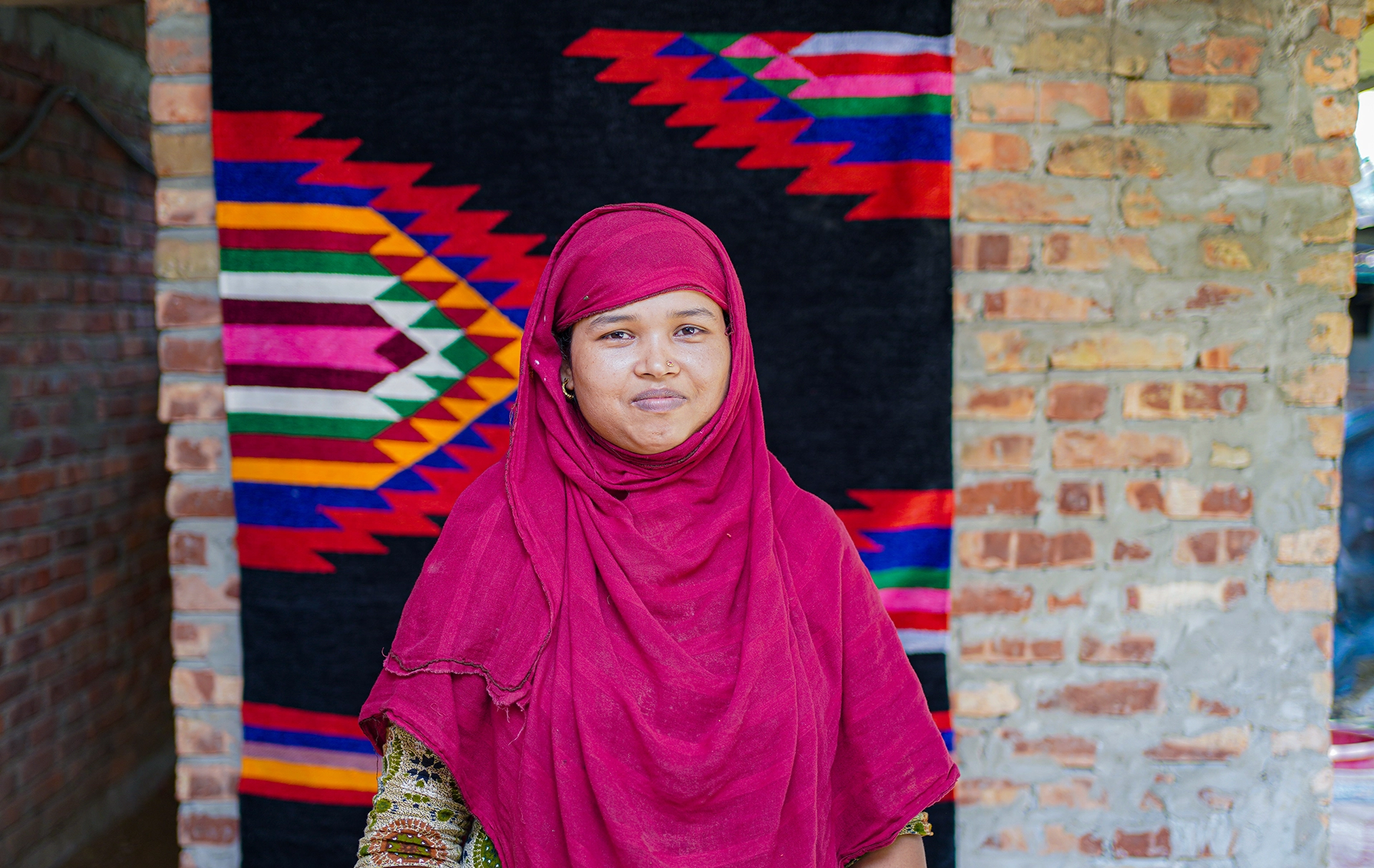
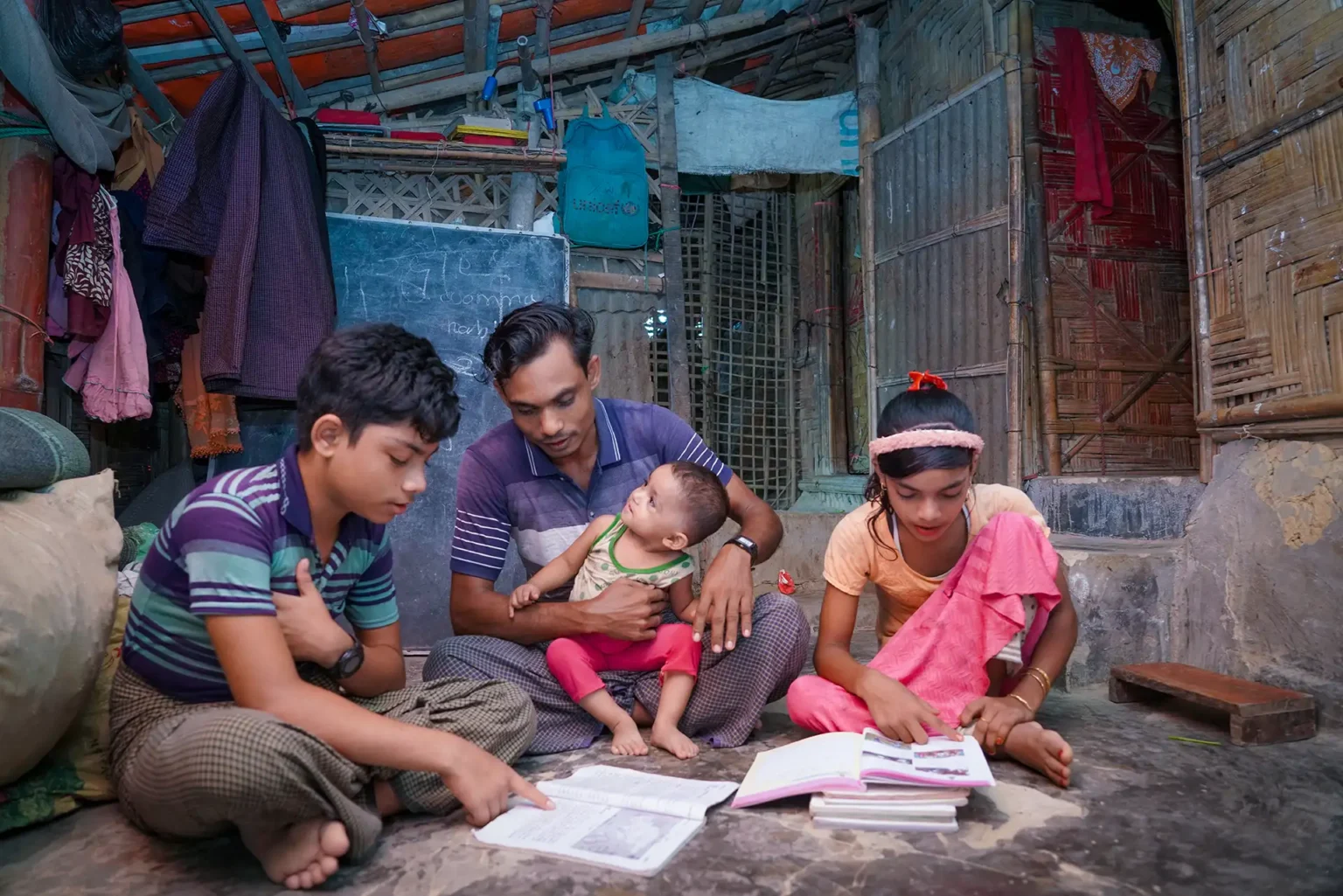
Rokeya is a 40-year-old woman who has been living in Rongikhali, Teknaf, Bangladesh. She is a vulnerable individual who has faced many challenges in her life. One of the biggest challenges she faced was losing her house during a cyclone, which also resulted in the loss of all her savings. To make matters worse, her husband is a day laborer who only earns 6000 Bangladeshi taka (approximately $70) per month. Rokeya and her family struggled to make ends meet with their 7 children, 3 of whom were males and 4 of whom were females. To try and make up for the financial shortfall, Rokeya had to take loans from her relatives and friends. However, due to the financial crisis, she was not able to return the money to them. This resulted in her being taunted and ignored by her community. The situation got even worse when her children had to stop going to school, and her husband’s work also came to a halt due to the COVID-19 pandemic. Her children also had to start doing day laboring to help support the family. At that point, Fatima had lost all hope and felt like there was no way out of her predicament.
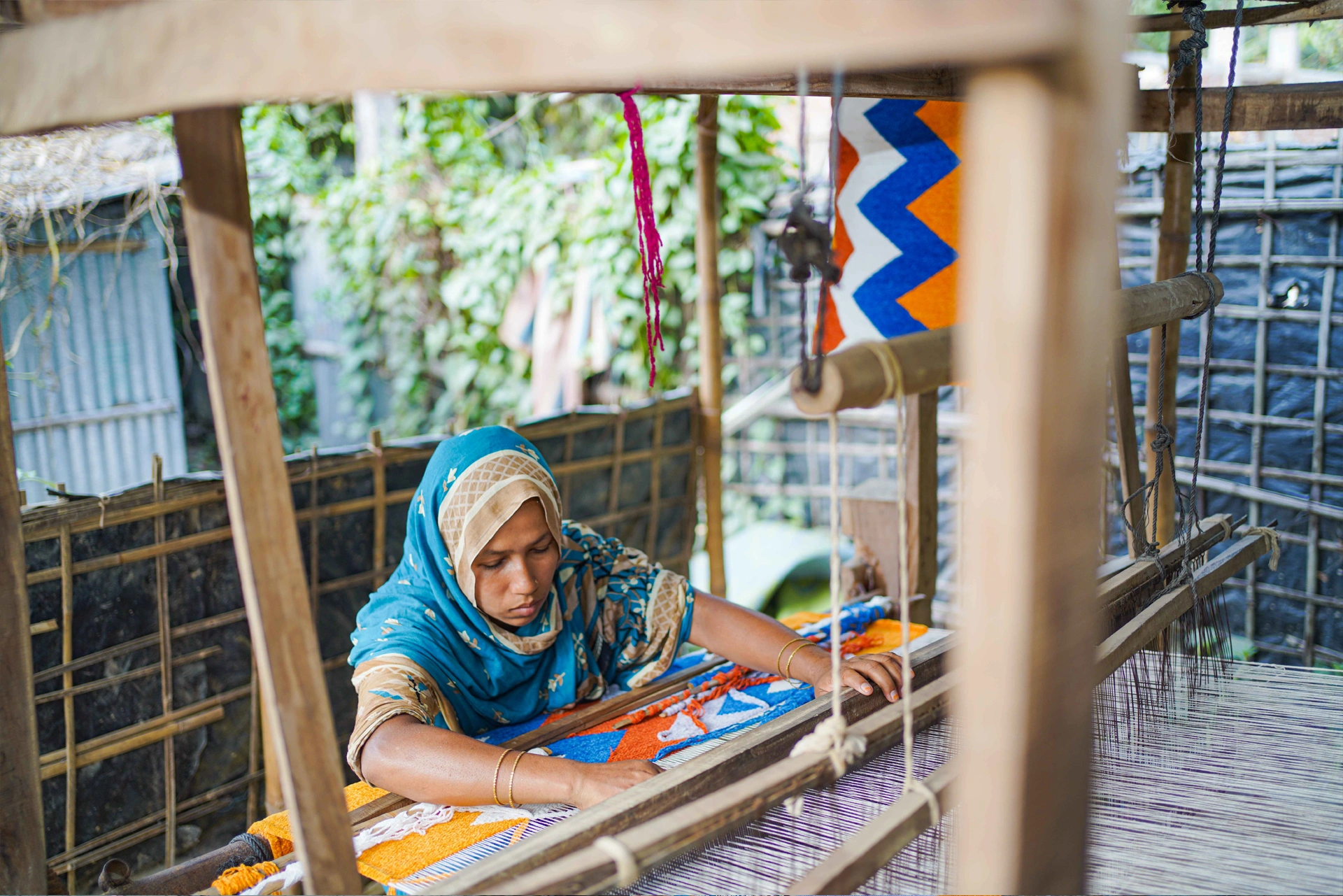
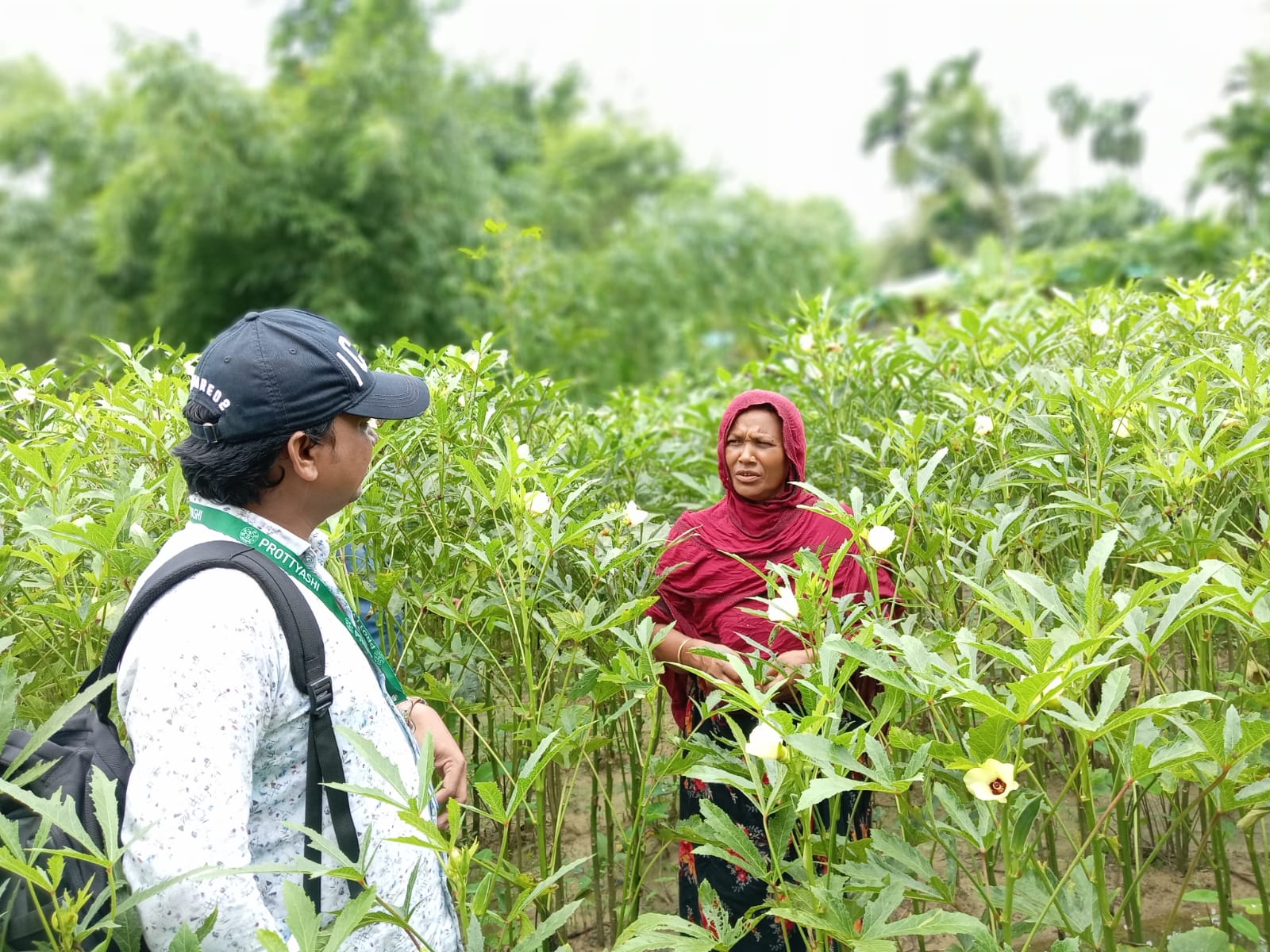
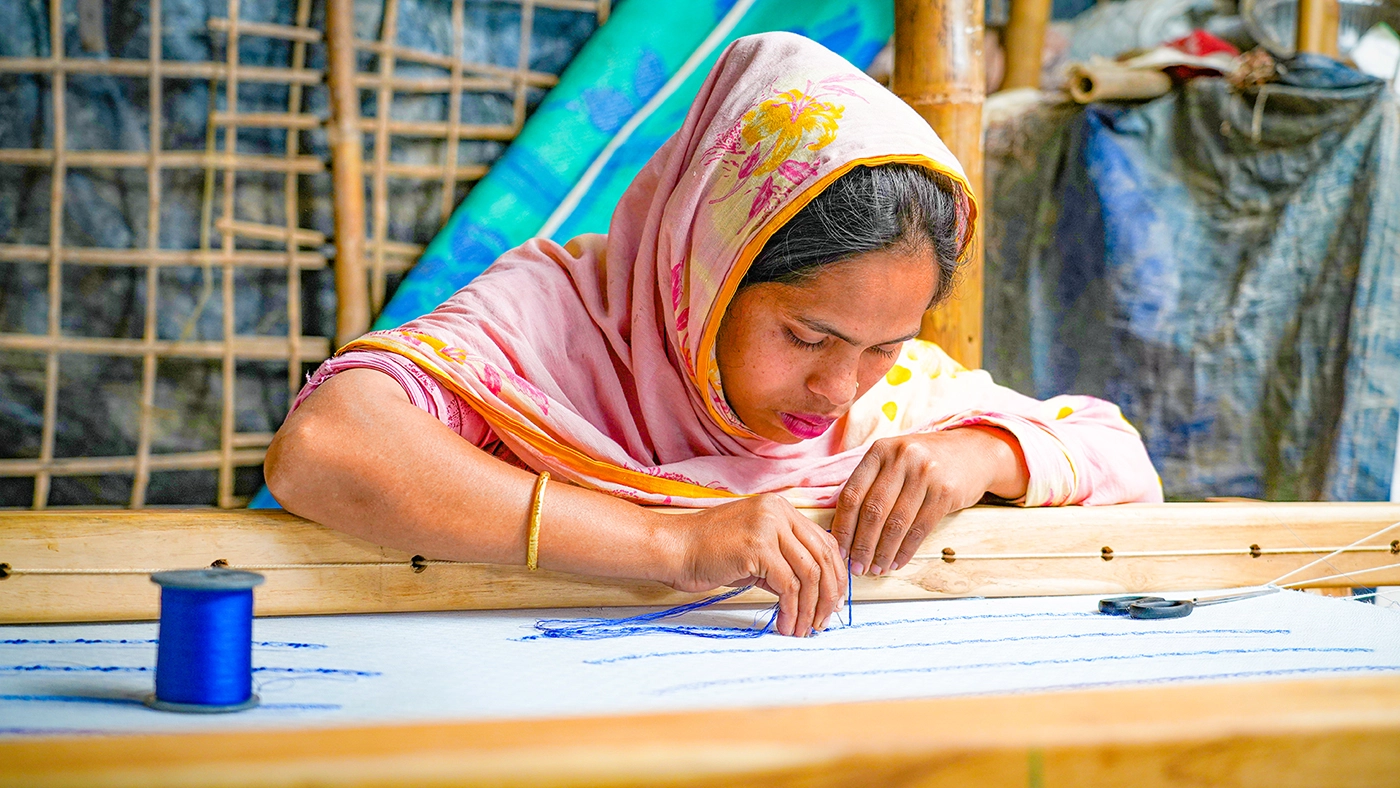
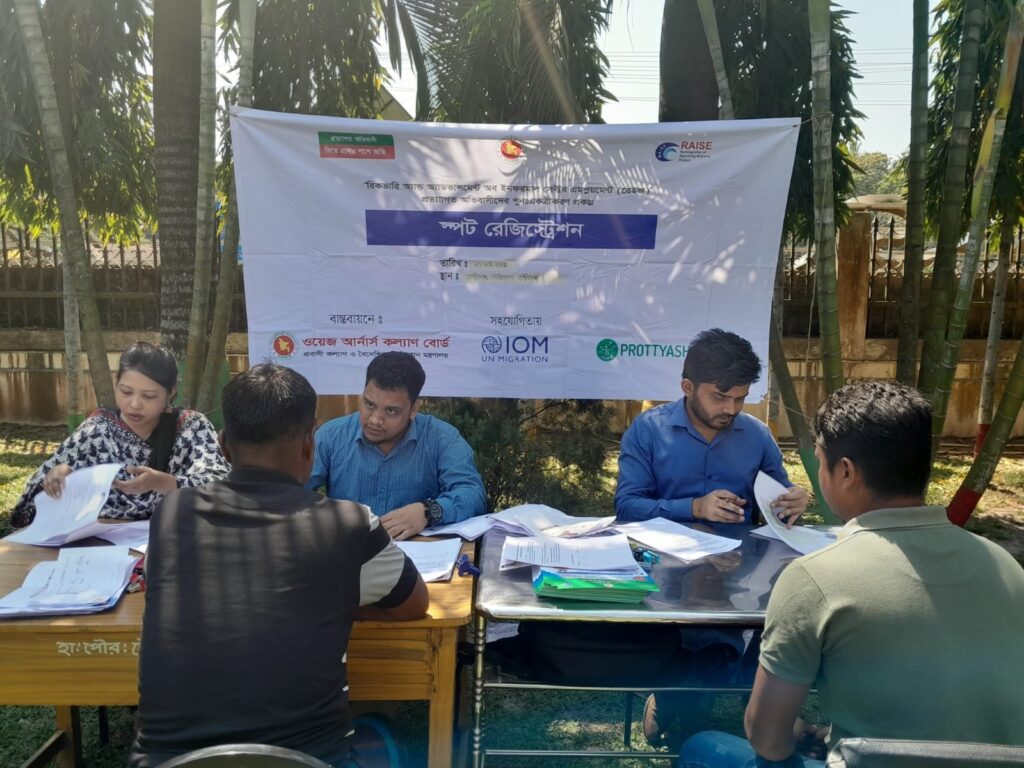
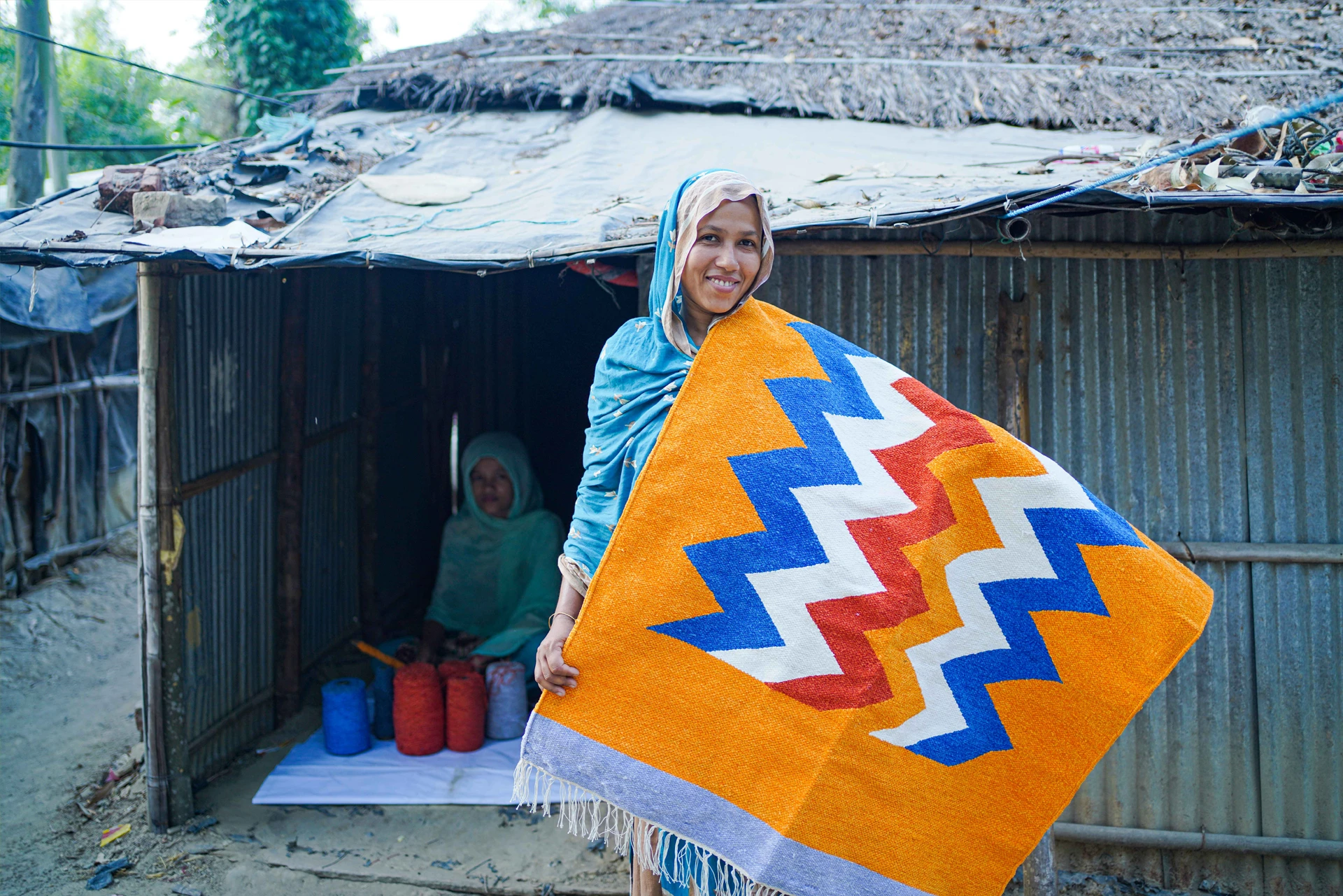
She was selected as a beneficiary after the baseline survey, where she was assessed for her interest and ability in the six trades provided by the project. Rokeya expressed her interest on shotoronjee which was under jute craft trade and she received skill development training on shotoronjee (CARPET MAKING). After completion of the training, Rokeya received input support based on her received training. Additionally, Rokeya has received business development training to enhance market linkage support, which helped her to reach new customers and increase her sales. She was also provided with Disaster Risk Reduction (DRR) training which helped her to understand the potential risks of natural disasters and how to mitigate them. This helped her to become more resilient to natural disasters and better able to prepare for and respond to them. Rokeya was being supported with market linkage support and opportunities to showcase her products through product fairs and an e-commerce site, which helped her to reach a wider range of customers and increase her sales. Through these interventions, Rokeya was able to develop a sense of self-reliance and self-confidence which helped her to improve her livelihoods and provide for her family. The impact of the project on Rokeya’s life was significant. She is able to improve her livelihoods and provide for her family. She is also able to regain her self-esteem and regain her place in the community. She can now earn approximately 15,000 taka per month and is able to support her family and provide for her children’s education. Her children are now going to school, and Rokeya is proud that she is able to give them a better future. She also return her loans and is now respected and valued in her community. The challenges she faced were stigma, transport, social and cultural barrier.
“I never thought that I could earn a decent livelihood again after the devastating cyclone, but the skill development training and input support provided by the project helped me to rebuild my life.”