







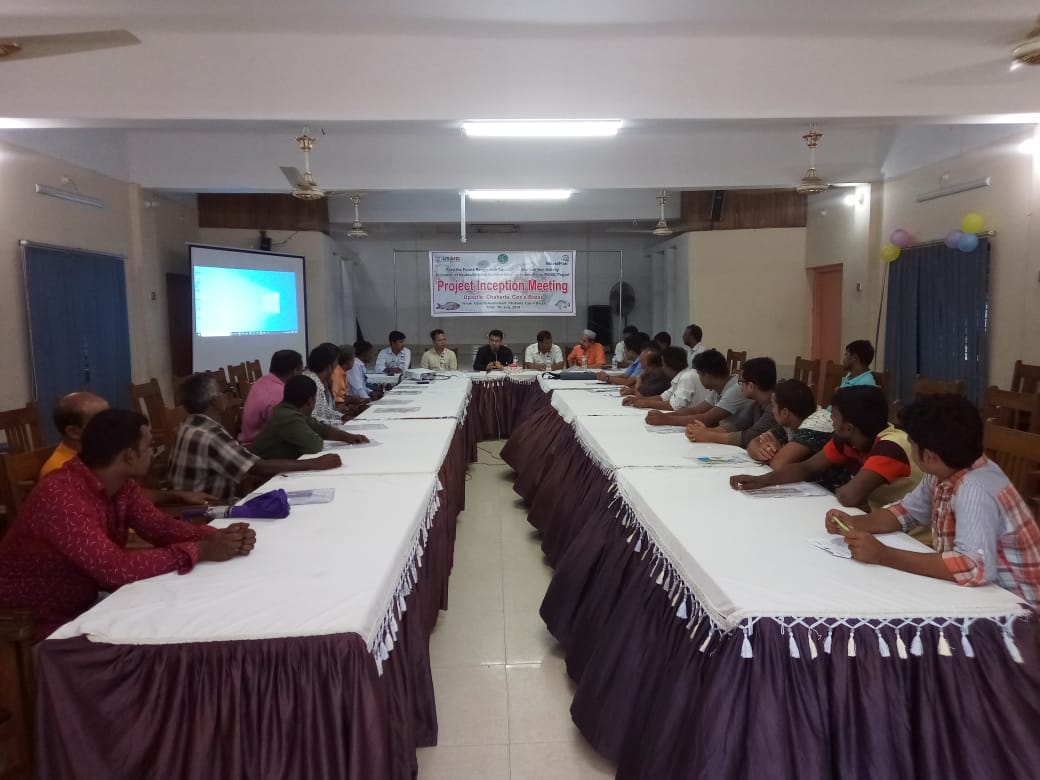
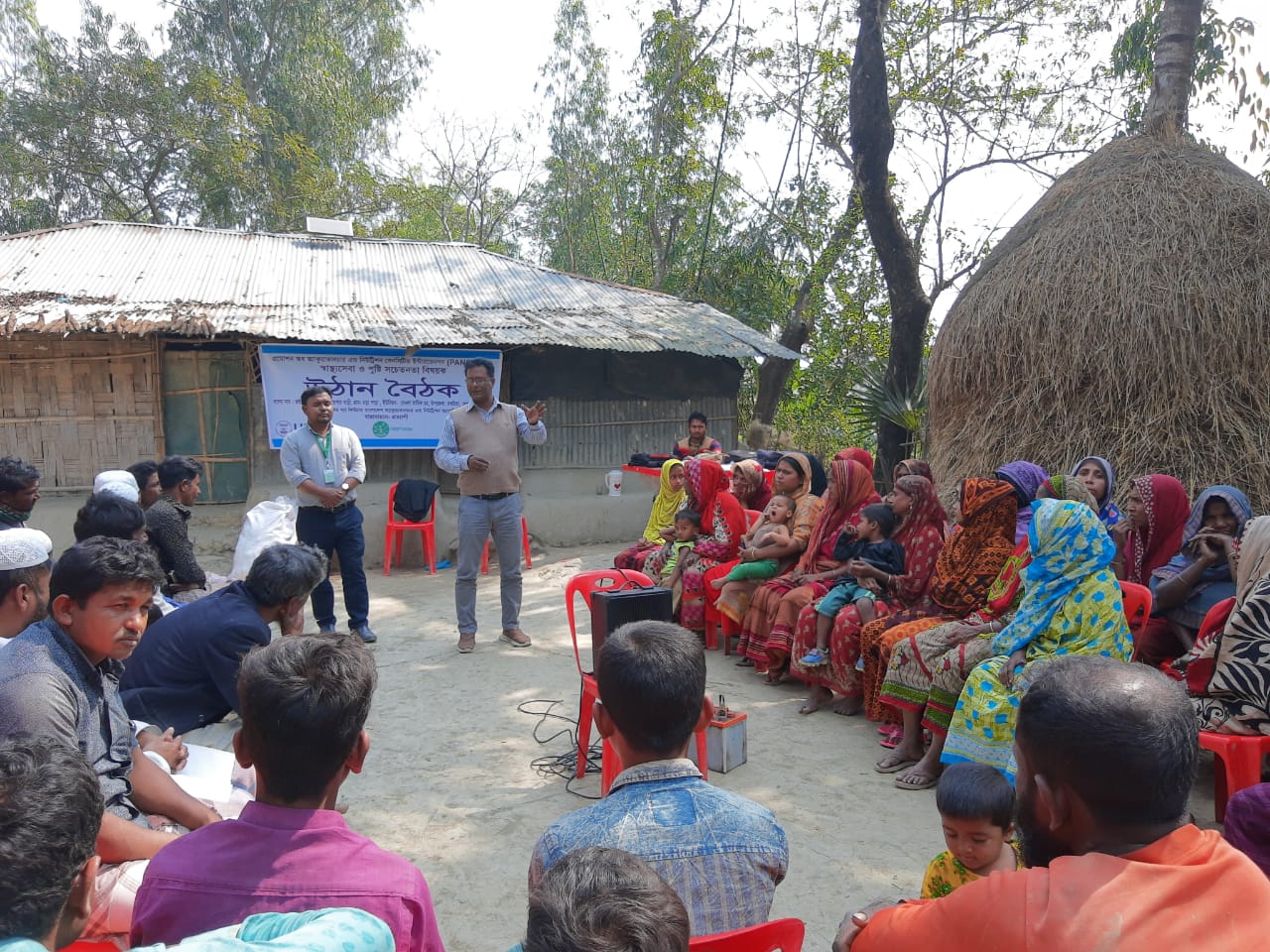
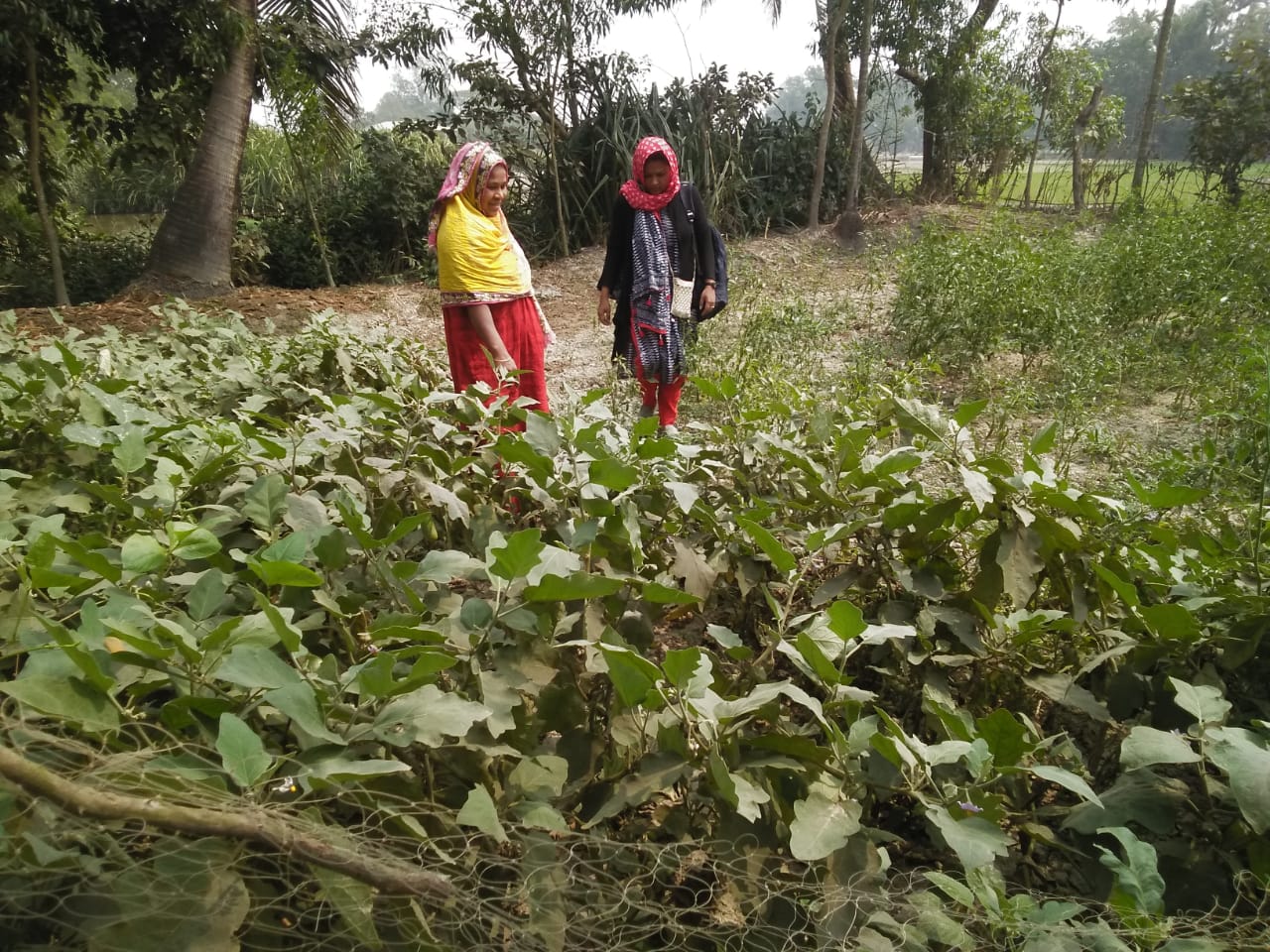
Promotion of Aquaculture and Nutrition-Sensitive Interventions (PANSI).
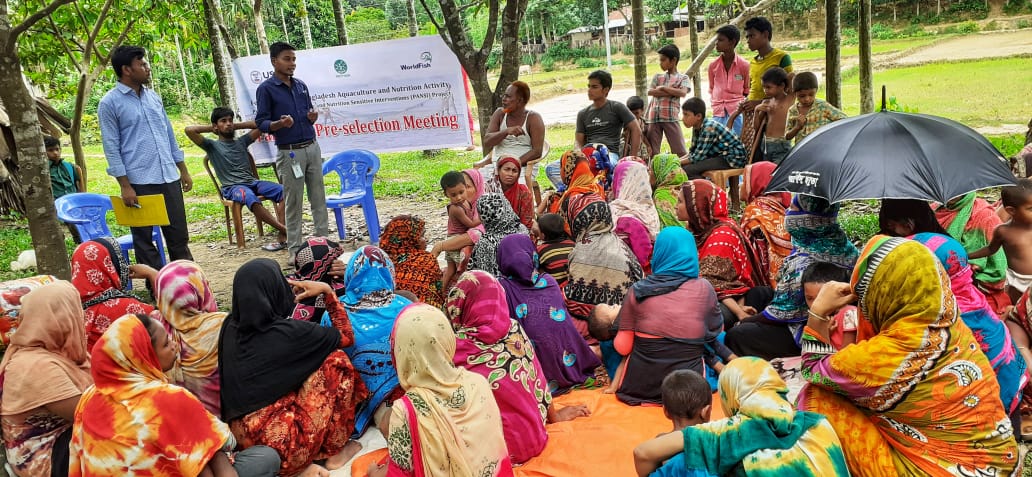
To support household-level aquaculture growth and increase the consumption of safe fish, thereby addressing nutritional gaps among poor and vulnerable populations, the initiative was implemented. It targeted smallholder farmers, especially women, by providing technical training and input support to strengthen their capacity for small-scale aquaculture and complementary agricultural activities.
The project provided comprehensive skill development and input packages for sustainable aquaculture practices, such as pond fish farming and dike cropping. Gender-sensitive approaches were maintained throughout the implementation, with over 70% of the b... Read More
Major Achievements
Increased Aquaculture Productivity
Achieved average fish production of 4000 kg/ha with 90% perennial ponds and average pond size of 12 decimals.
Economic Gains
Increased household income through fish sales and enterprise development (kuchia, nurseries, gill net business). Gross income of Tk. 1,200,000/ha and net income of Tk. 775,000/ha from mixed culture was achieved.
Improved Household Nutrition
Enhanced dietary diversity and protein intake through increased fish and vegetable consumption.
Women’s Participation and Empowerment
70% of total 2083 beneficiaries were female, significantly involved in production activities who strengthened their technical skills and awareness of hygiene, nutrition, and gender.
Enterprise Development
Developed 19 entrepreneurs on nurseries, 19 entrepreneurs on mola-gill net business, 20 entrepreneurs on kuchia culture through skill training and input support.
Major Activities
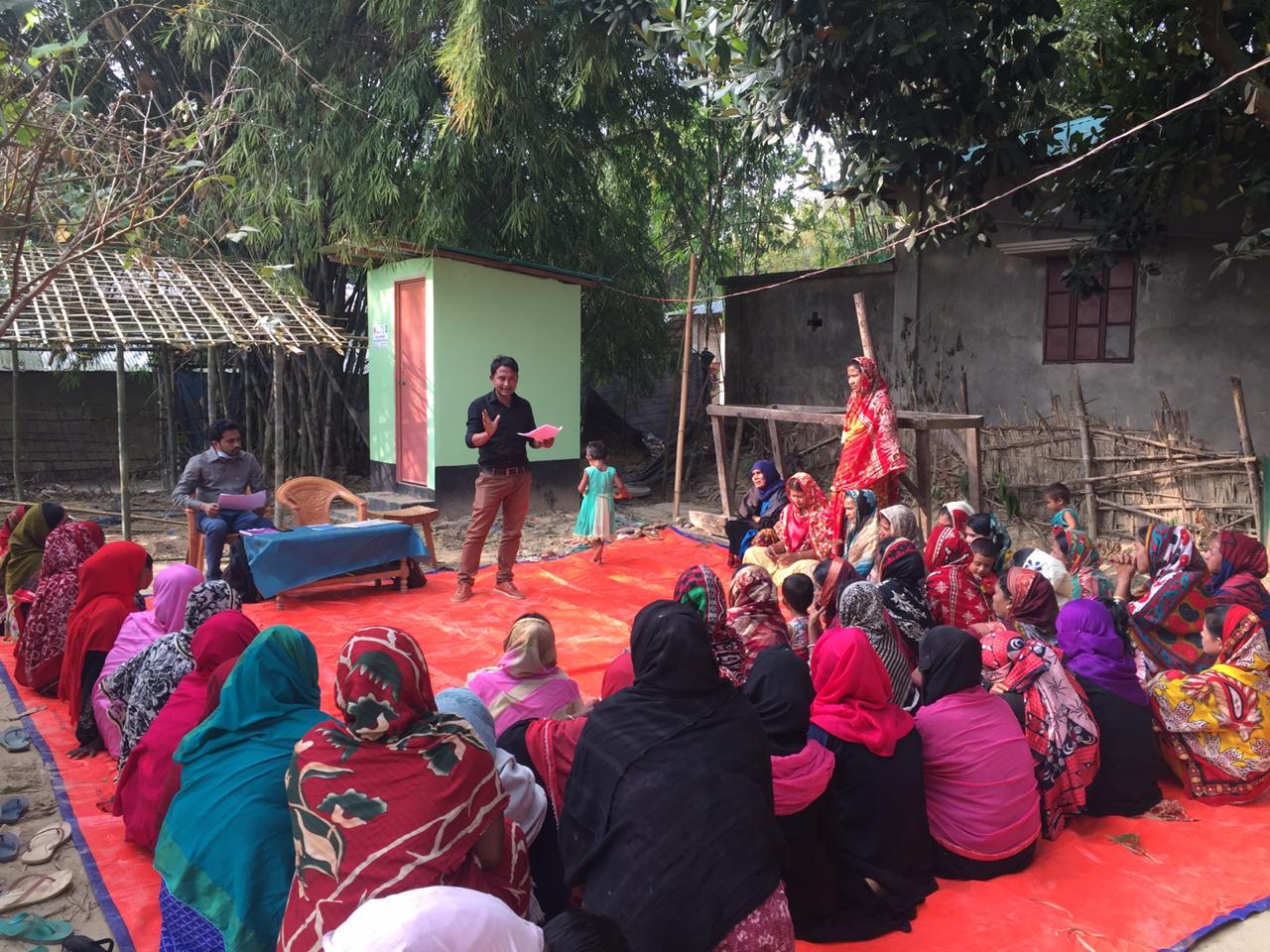
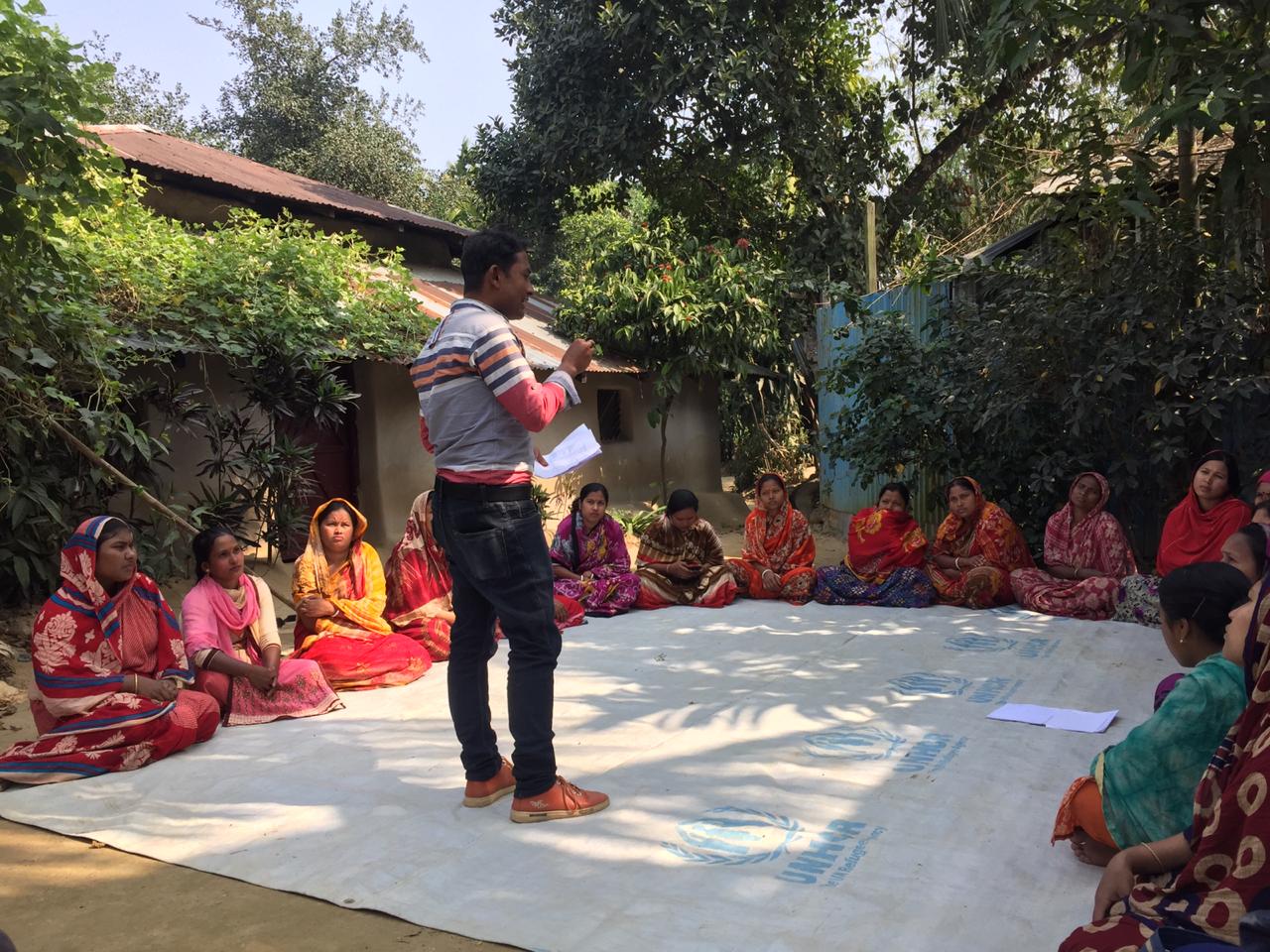
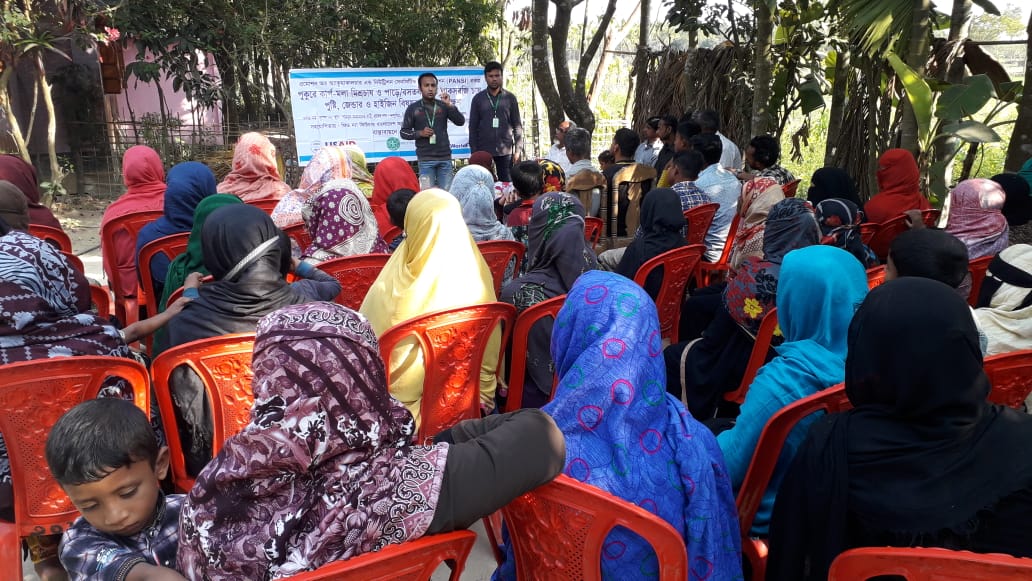
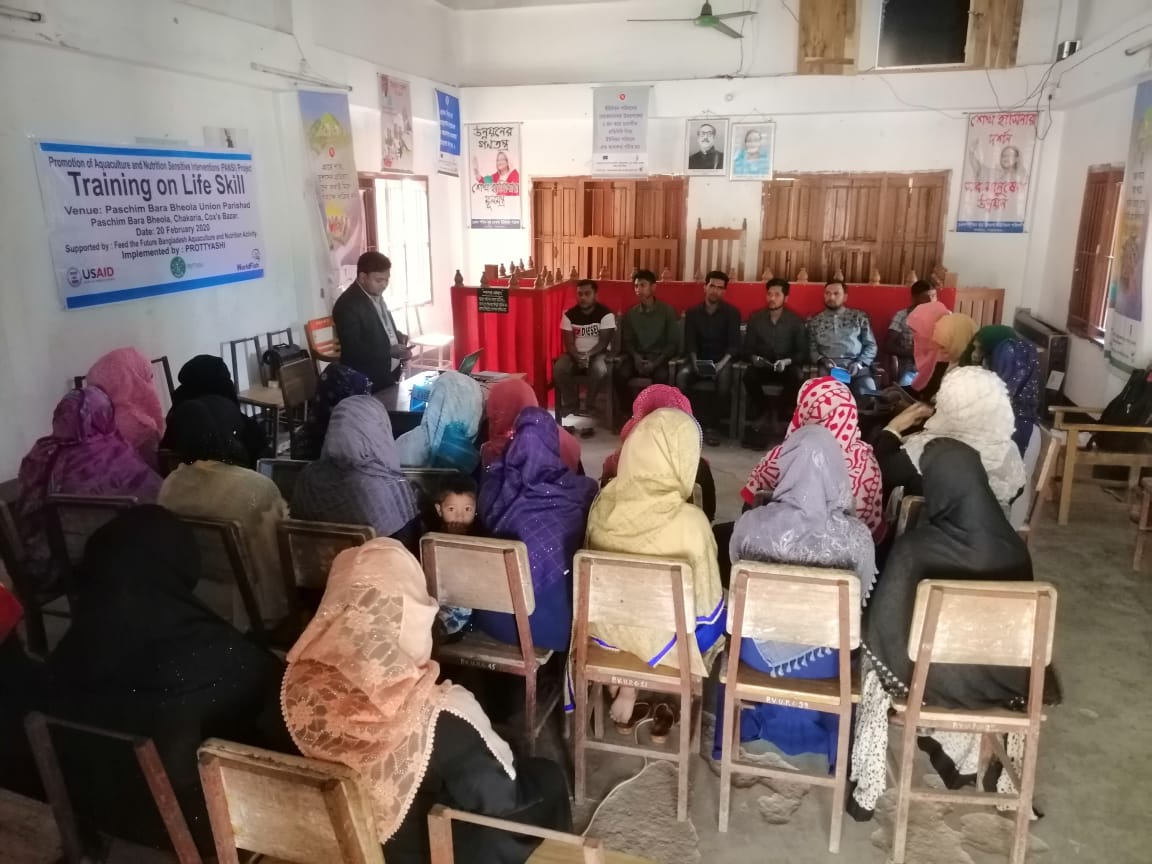
Provided capacity building training to 2000 farmers on aquaculture, dike cropping, nutrition, hygiene, and gender. Delivered specialized enterprise development training to 83 additional beneficiaries (nursery, kuchia, net businesses).
Supported the establishment of model mini nurseries, kuchia farms (freshwater mud eel), and mola gill net business entrepreneurs.
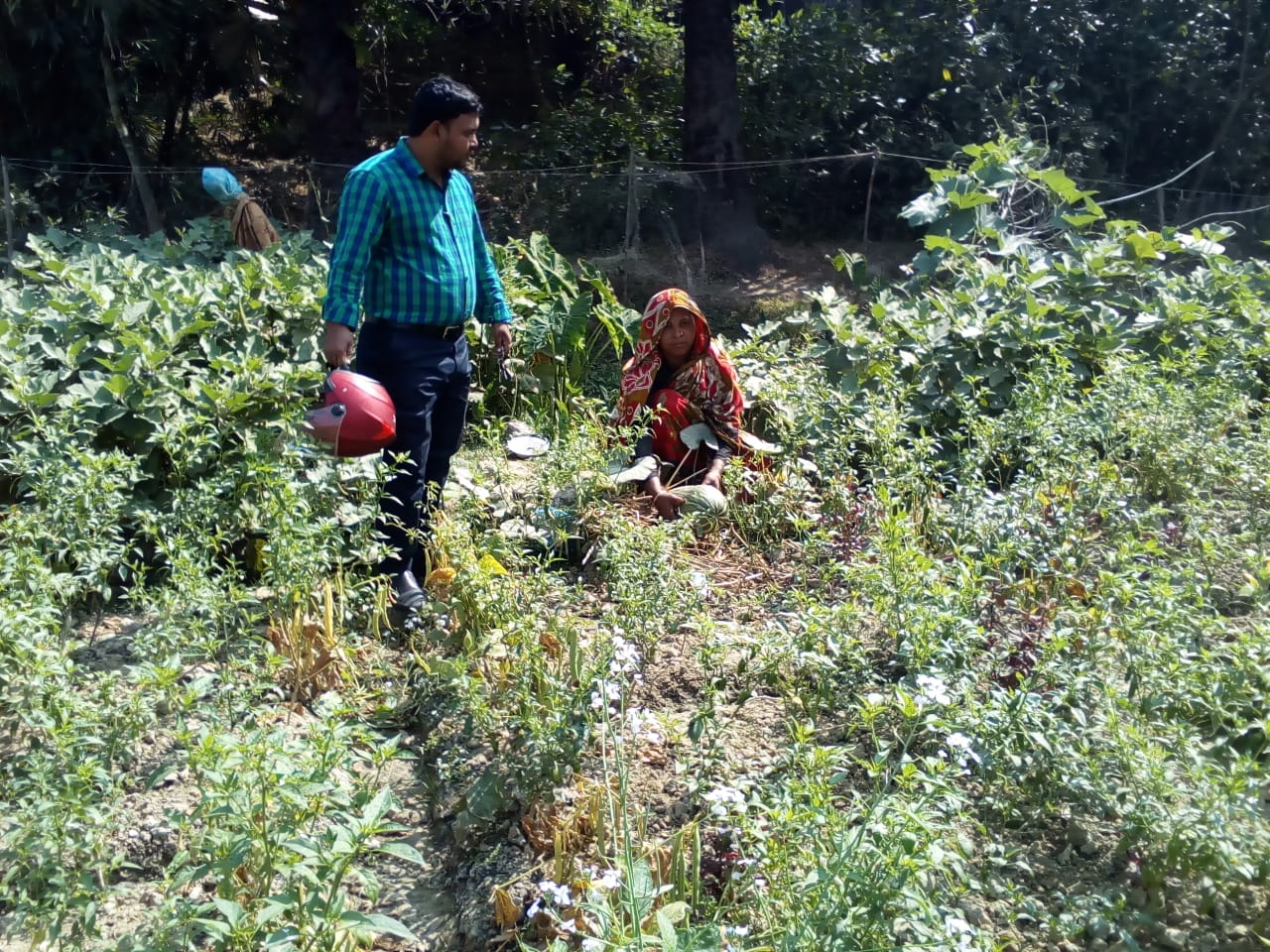
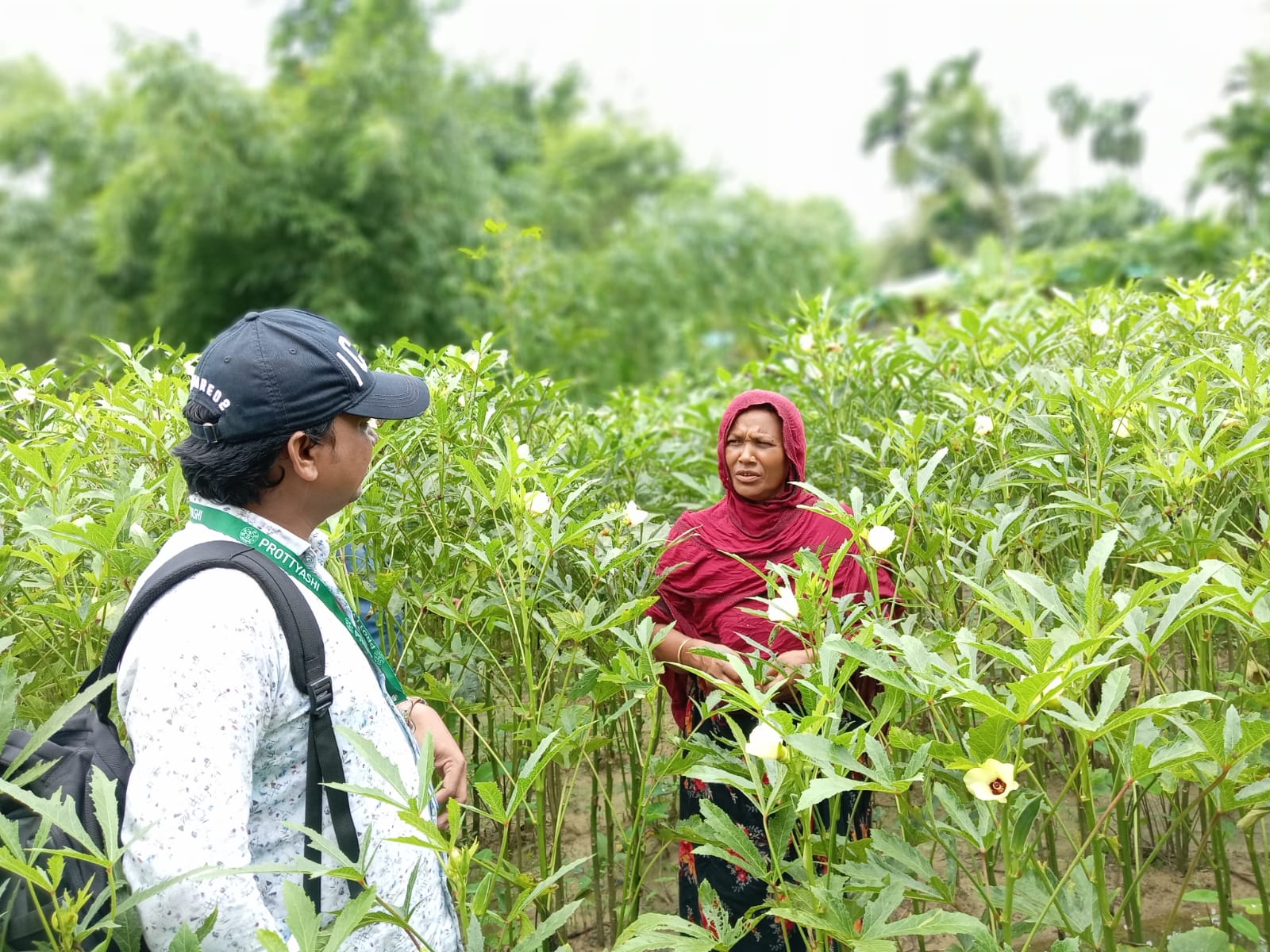
Promoted dyke cropping and homestead gardening using vermicompost fertilizer. Provided input support (e.g., fingerlings, feed, fertilizers) for integrated fish and vegetable production.
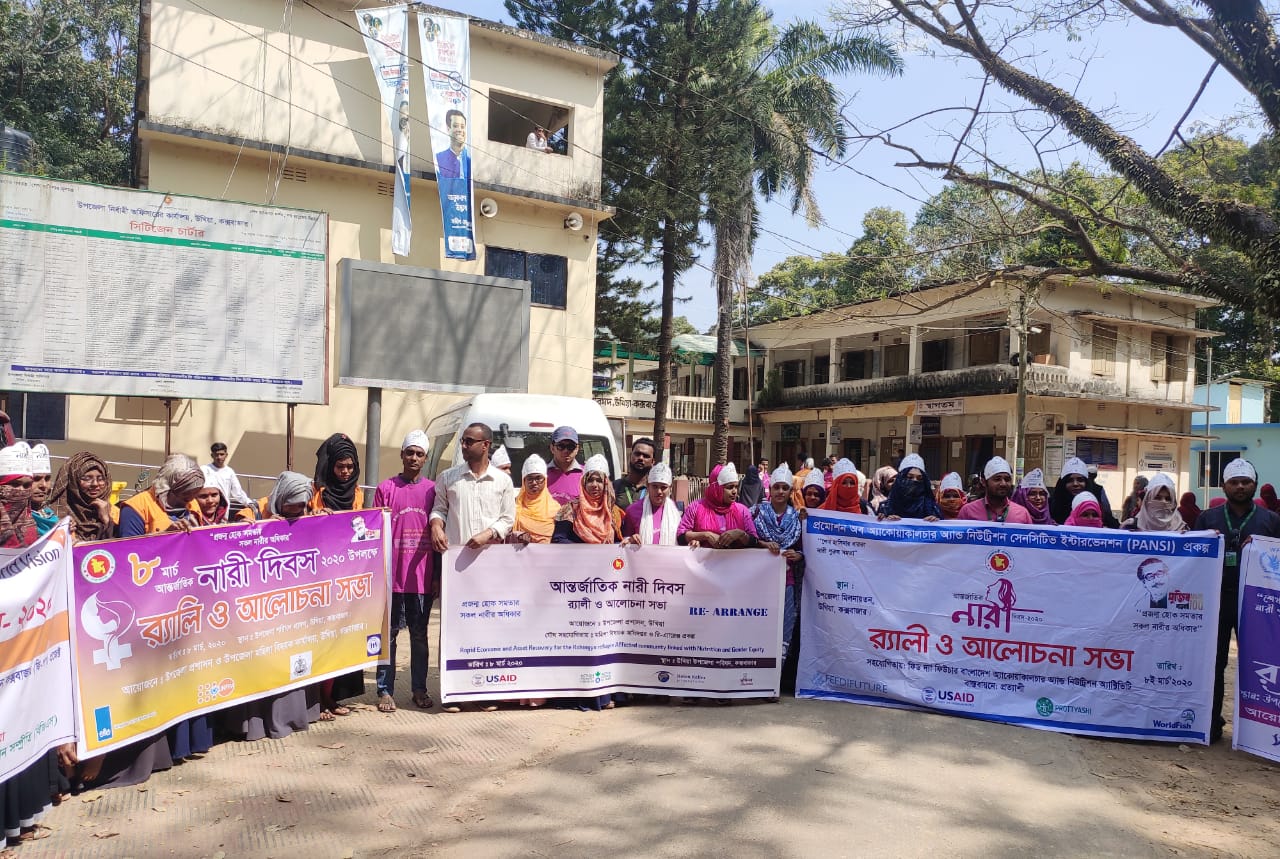
Conducted community-based awareness on nutrition, hygiene, and gender, with special focus on women and youth. Installed tippy tap handwashing stations to promote hygiene practices.
Targeted 70% women beneficiaries, especially pregnant and lactating mothers, adolescents, and youth. Engaged women in pond cleaning, lime and fertilizer application, and feed management.

Project Objective
To promote aquaculture activities in Cox’s Bazar district that reflecting in household-level aquaculture growth and increased safe fish consumption that complements to fill up the nutritional gap for the poor.

Geographical Coverage
Total 3 Upazila’s under 𝐂𝐨𝐱’𝐬 𝐁𝐚𝐳𝐚𝐫, Bangladesh • 𝐂𝐡𝐚𝐤𝐚𝐫𝐢𝐚 𝐔𝐩𝐚𝐳𝐢𝐥𝐚: Bheola Manikchar, Demushia, Kakara, Konakhali and Paschi Boro Bheola Union. • 𝐑𝐚𝐦𝐮 𝐔𝐩𝐚𝐳𝐢𝐥𝐚: Chakmarkul, Dakshin Mithaichari, Joarianala, Kauarkhop, Khuniapalong, and Rashidnagar Union • 𝐔𝐤𝐡𝐢𝐲𝐚 𝐔𝐩𝐚𝐳𝐢𝐥𝐚: Ratna Palong, Jalia Palong, Haldia Palong, Raja Palong and Palongkhali Union

Targeted Beneficiaries
2083
Donor & Partner

Project Gallery