









Ayesha Akter, a 15-year-old girl from Airamangol village in Anwara, Chattogram, was on the verge of a life-altering event. Coming from a poor family, she lived with her father, Bazlur Rahman, a day laborer, her mother, Fatema Begum, and her four younger siblings. As the eldest, Ayesha had always carried the weight of responsibility, yet she never let her circumstances diminish her aspirations. A bright student, she was in ninth grade, with a clear vision for her future.
However, Ayesha’s life took a sudden turn when her parents, grappling with financial hardships, began considering marriage for her. In their eyes, the social pressure and the lack of resources made marriage seem like the only viable option for their eldest daughter. They had already found a suitor in a neighboring union, and everything seemed set. For Ayesha, this decision was crushing. Her education was her only escape, but the threat of early marriage loomed large, halting her school attendance and restricting her freedom.
Before the implementation of the adolescent engagement program in the community, there was a lack of awareness around crucial issues like health, education, and child marriage. Parents, particularly those in economically disadvantaged situations, did not fully understand the long-term consequences of early marriage on their daughters’ physical, emotional, and mental well-being. Adolescents, including Ayesha, were often distracted by the misuse of digital platforms, which added to the uncertainty of their futures.
But things began to change with the intervention of the project. The program focused on raising awareness among adolescents and their families, specifically addressing the issue of child marriage. It aimed to equip young people like Ayesha with the knowledge and support to make informed decisions about their futures. Through regular meetings, club activities, and guidance, Ayesha and other adolescents were able to recognize their potential and the importance of education in shaping their futures.
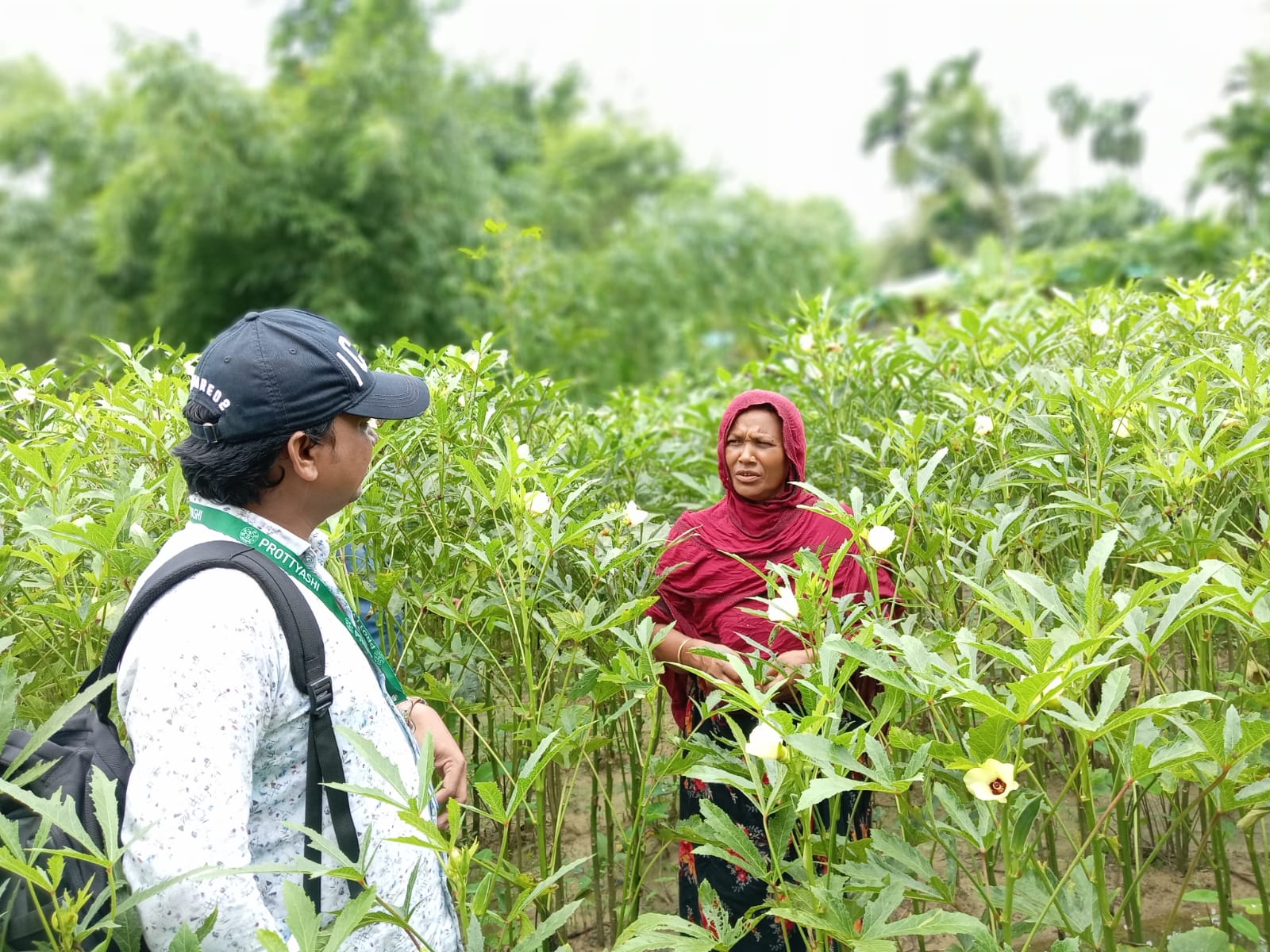
On September 4, 2024, during a routine club visit, the Program Officer (In-charge) noticed Ayesha’s absence and decided to investigate. Upon learning about the planned marriage, the officer took immediate action. Together with other club members, respected community leaders, and Ayesha’s parents, they held a meeting where the negative impact of child marriage was discussed in detail. They explained the health risks, emotional toll, and the missed opportunities for personal growth and achievement that early marriage would bring.
During the conversation, they emphasized Ayesha’s bright future and the possibilities that lay ahead for her if she was allowed to continue her education. They reminded her parents that, with support, their daughter could excel and make a positive impact in the community.
Moved by the discussion and the support from the program, Ayesha’s parents had a change of heart. They realized that by preventing Ayesha’s marriage, they were giving her the chance to fulfill her potential and build a brighter future for herself. With the program’s help, they decided to call off the marriage and allow Ayesha to return to school.
The impact of this intervention was profound. Ayesha resumed her education and once again began to participate actively in the adolescent club. She regained her confidence, and her life, once again, held the promise of possibilities.
The community, particularly the parents and other program participants, expressed their gratitude for the intervention. They acknowledged the importance of raising awareness about child marriage and praised the initiative for saving Ayesha’s life from the devastating consequences of early marriage. Through this program, Ayesha’s family was not only able to preserve their daughter’s future but also recognize the value of education and empowerment for their children.
Ayesha’s story stands as a testament to the power of community support, awareness, and timely intervention in protecting the futures of young girls from the dangers of child marriage.
