







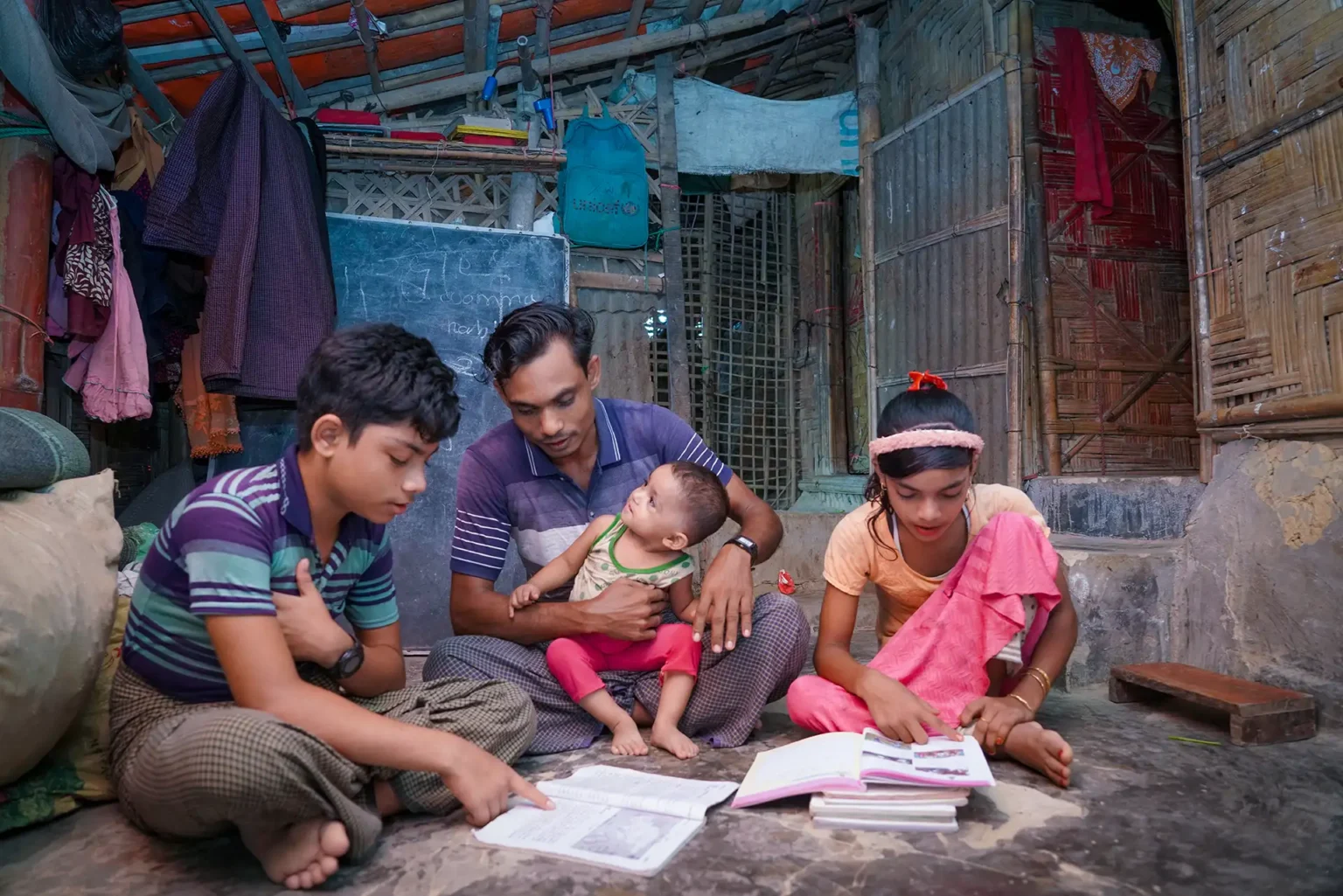
In a remote village of Koyra Upazila in Khulna District lives Saleha Khatun, a 28-year-old housewife and mother of three. Her household consists of seven members her husband, three sons, and elderly in-laws. Her husband works as a day laborer and occasionally collects crabs and fish from the Sundarbans to support the family. Each day was a struggle for survival she constantly worried about what to feed her children, how to buy medicines, or where to find safe drinking water.
For years, the family depended on a pond located three kilometers away for drinking water. During the rainy season, the water would become dirty and muddy, often causing illness among her children. They didn’t have access to a hygienic toilet and were forced to defecate in the open, a practice that was both unsafe and humiliating for women, especially at night or during menstruation. Due to the lack of proper menstrual hygiene knowledge and materials, Saleha frequently fell ill and suffered emotional distress.
In such dire circumstances, Saleha felt hopeless. She believed this was her fate and the future of her children—to silently endure pain and hardship. She had no social standing, no voice, and no one to confide in. While her neighbors faced similar issues, none of them knew how to seek a solution.
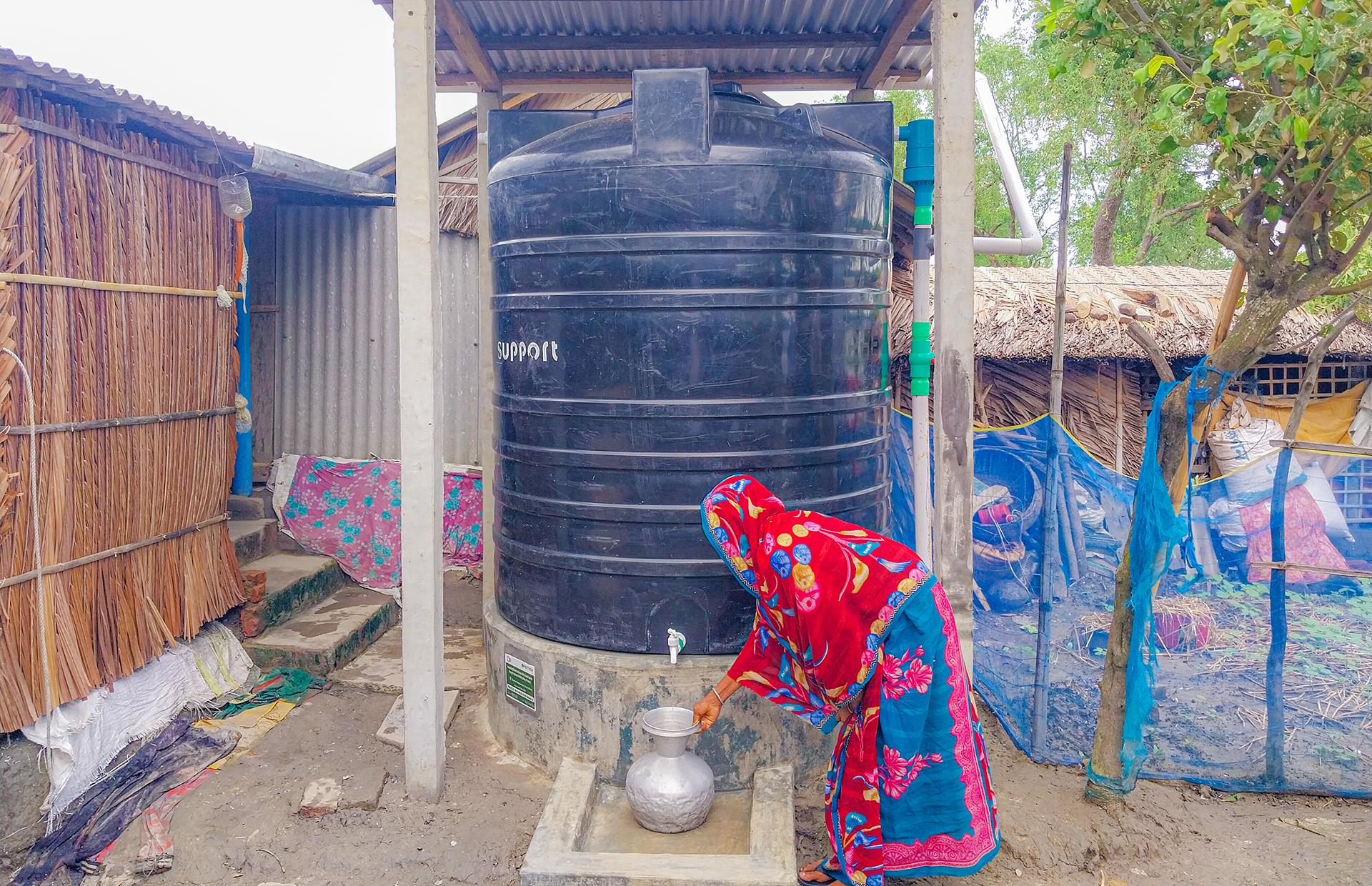
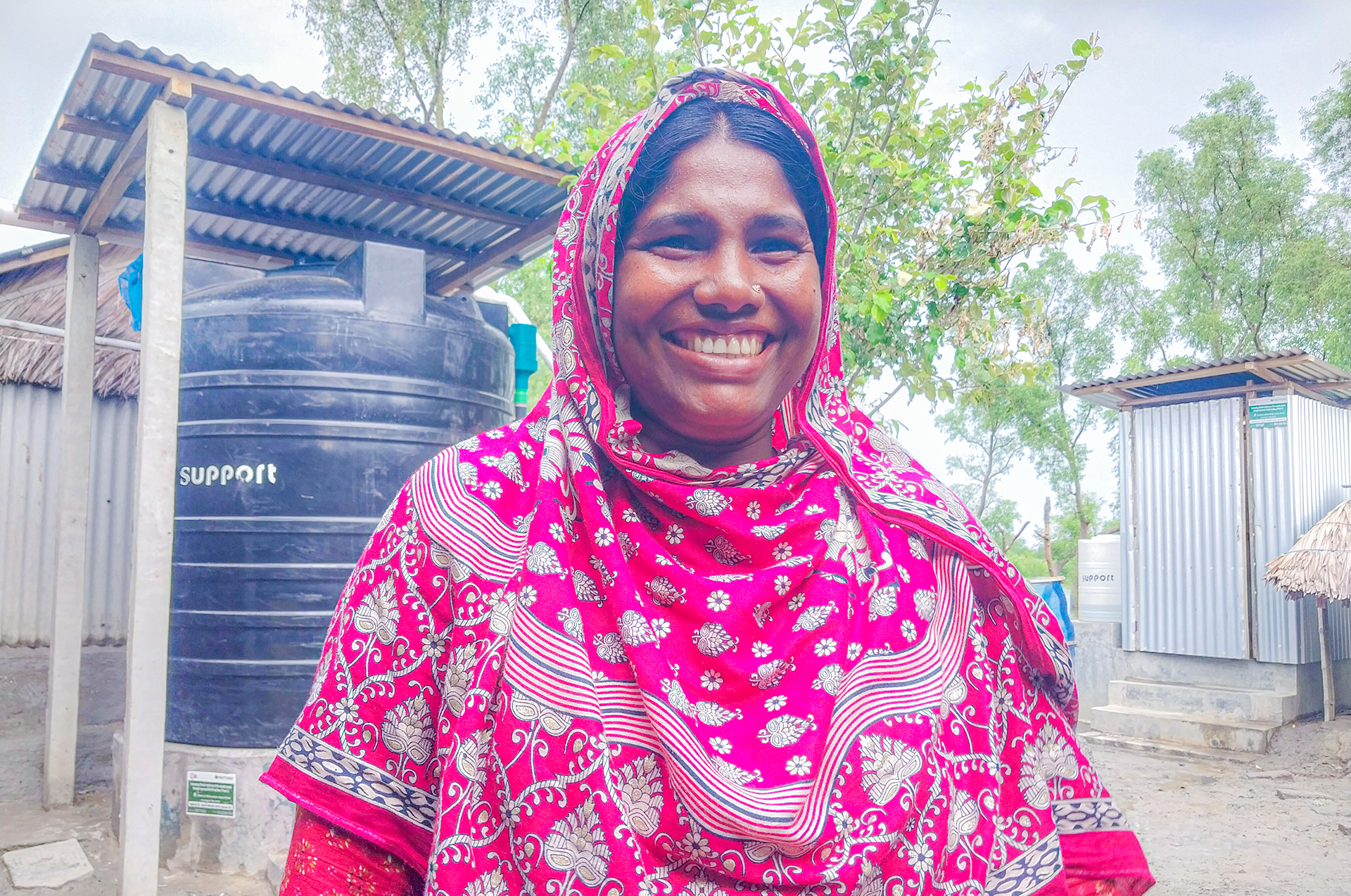
Then came a glimmer of hope—the WJR-WASH project. Identifying Saleha’s family as beneficiaries, the project began to provide much-needed support, step by step. A 3,000-liter rainwater harvesting system was installed at her home, providing safe and clean water throughout the year. A sanitary toilet was also constructed, ensuring safety and privacy for the women of the household.
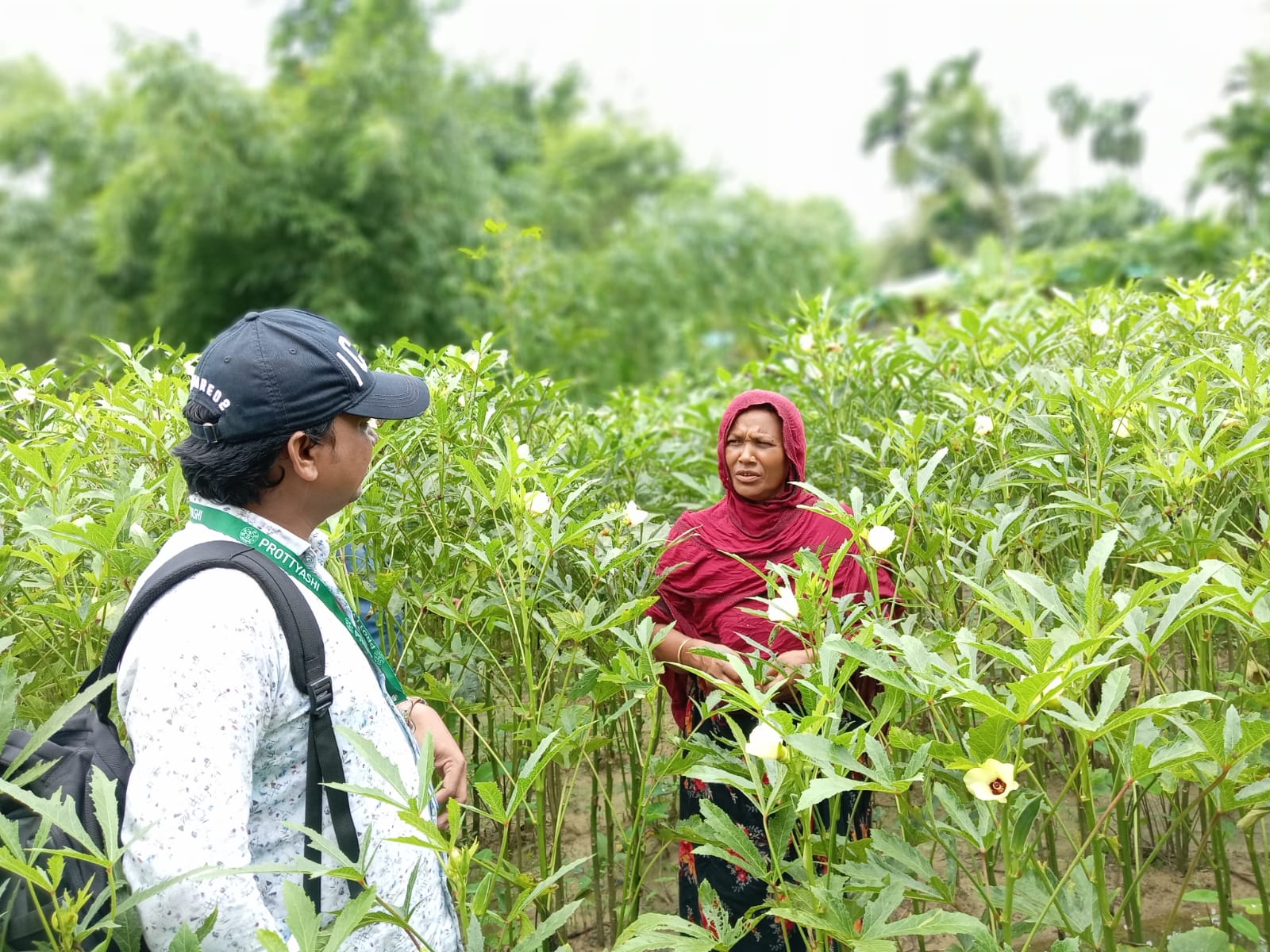
But the support went beyond infrastructure. Project staff conducted community consultation meetings and hygiene awareness training sessions for Saleha and her neighbors. Through these trainings, she learned about climate change adaptation, disaster preparedness and emergency response, proper handwashing with soap, safe water storage, menstrual hygiene management, and child health protection.
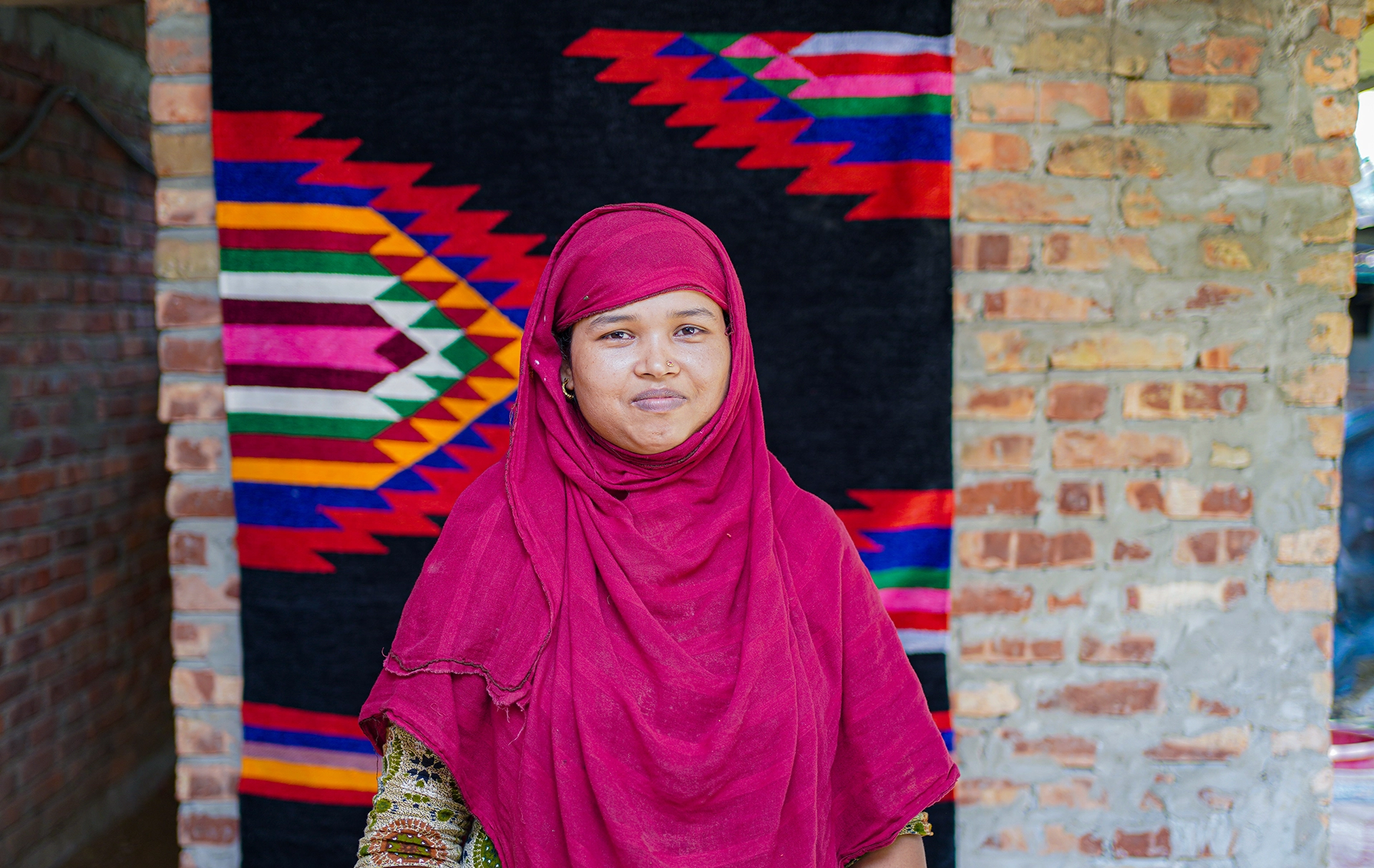
These seemingly small interventions brought about significant changes in Saleha’s life. Her children no longer fell sick as often, the household environment became cleaner, and she could move freely and confidently during her menstrual periods. The most remarkable transformation, however, was in her self-confidence. Saleha now participates in women’s forums in her village, offering advice and guidance to other women on how to protect their families and lead healthier lives.
Today, Saleha is not just a beneficiary—she is a community leader and a source of inspiration. Drawing from her own experiences, she is now helping others, encouraging them, and promoting a life of dignity and health.
In her own words:
“I used to remain silent. Now I speak, I act, and I inspire.”
Saleha Khatun’s journey is not just about one family’s transformation—it reflects the potential for change within an entire community. Her story reminds us that with timely support, respectful engagement, and the right knowledge, even the most marginalized woman can become a catalyst for meaningful change.