





Integrating Environmental Management into DRR and DRM in Cox’s Bazar host communities, Bangladesh. PHASE 2
The project focuses on strengthening the adaptive capacity of vulnerable communities in Khulna by enabling them to better cope with climate-related challenges through disaster-resilient and gender-responsive WASH interventions. It aims to increase meaningful community participation in the planning, implementation, and maintenance of disaster-resilient sanitation activities, ensuring long-term sustainability. Additionally, the initiative seeks to enhance the knowledge and awareness of students, adolescents, and parents on climate-resilient hygiene practices, promoting positive and lasting behavior change within households and the wider communi... Read More
Major Achievements
7573 Reached
Reached 7,573 direct and 34,078 indirect beneficiaries, surpassing planned targets.
90 Latrines
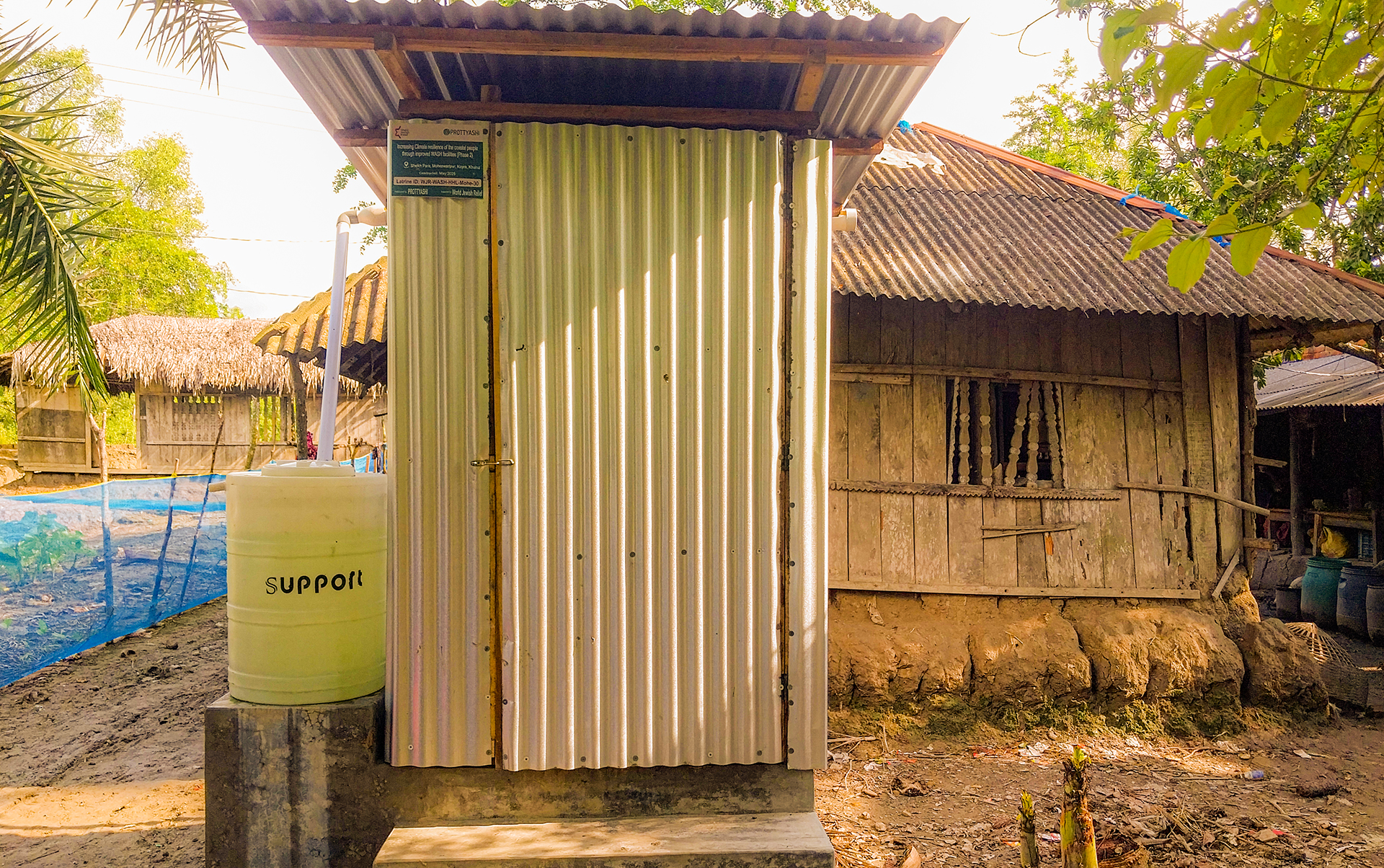
Constructed 90 climate-resilient sanitary latrines, ensuring safe sanitation in flood-prone areas.
26 RWHS
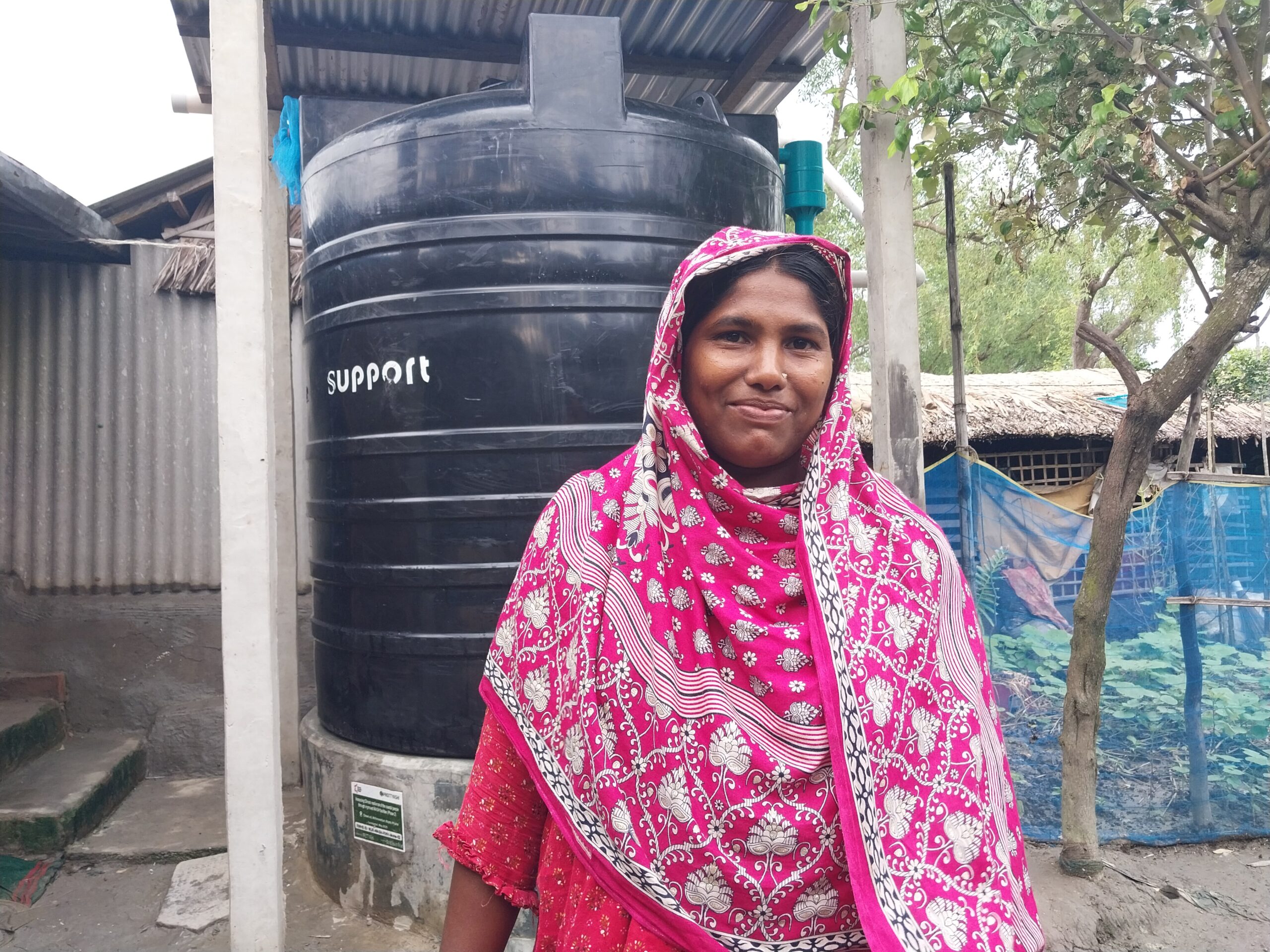
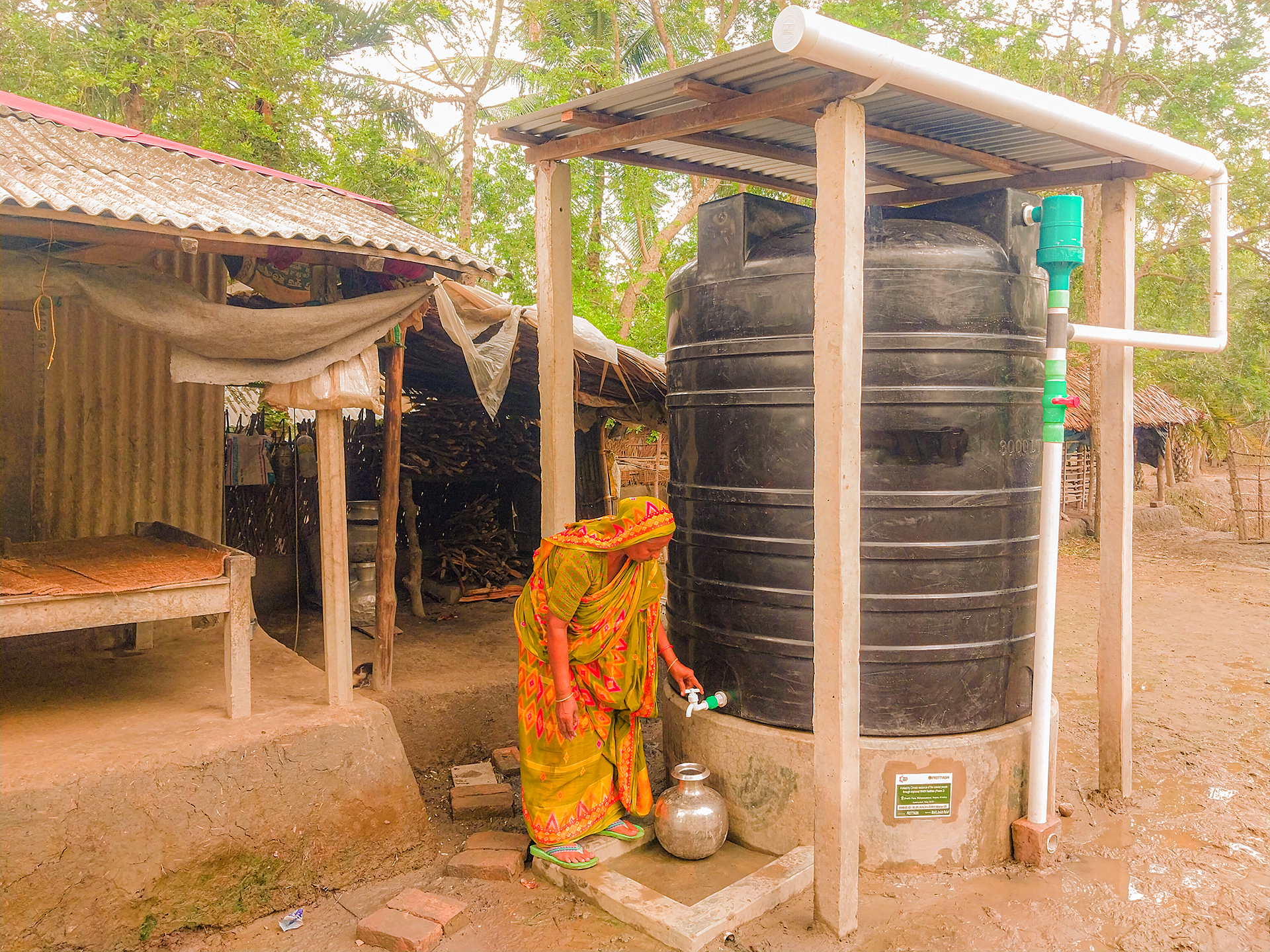
Installed 26 rainwater harvesting systems, improving access to safe drinking water.
5500 Engaged
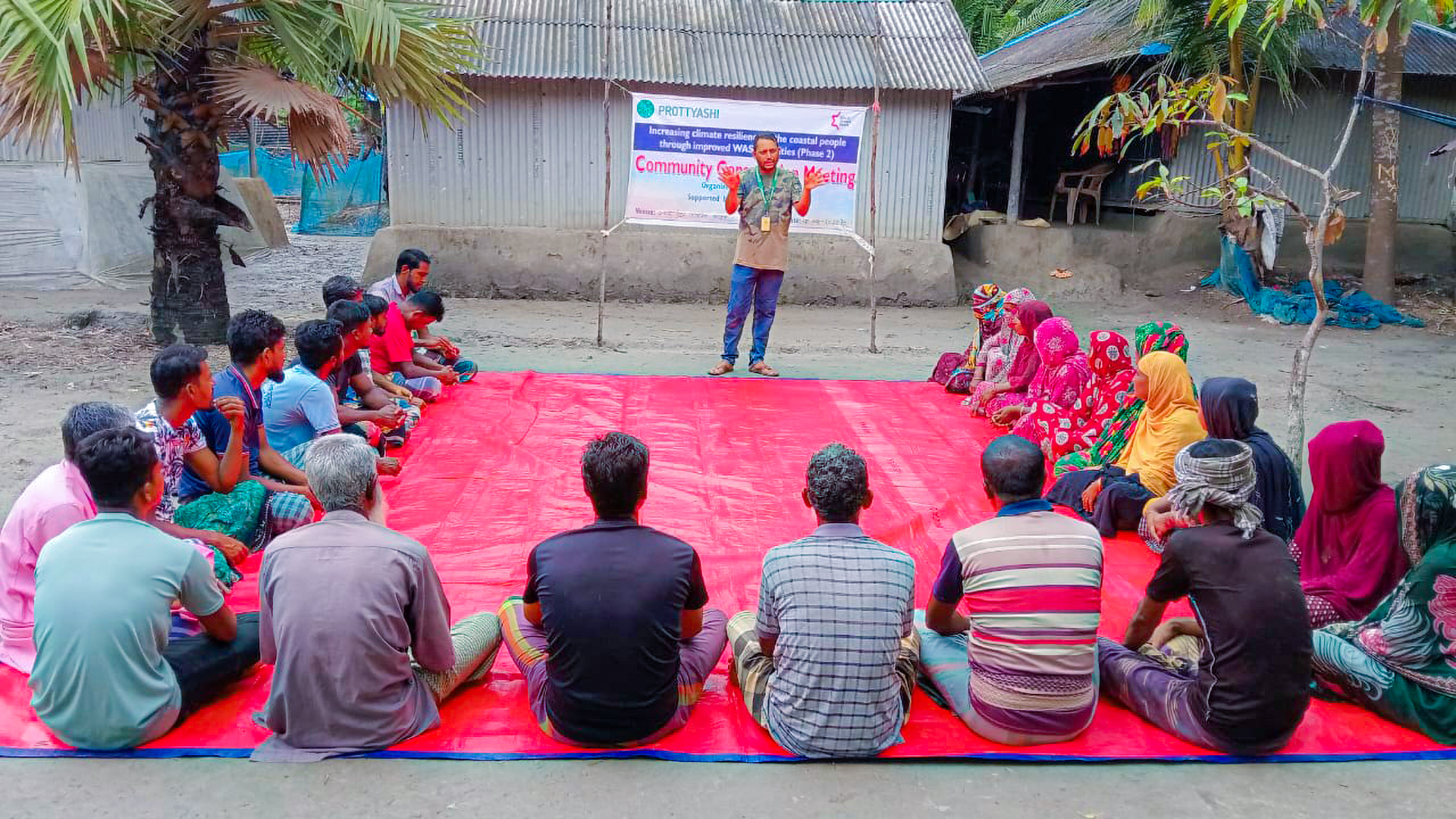
Engaged 5,500 community members through consultation meetings, ensuring inclusive participation.
1400 Aware
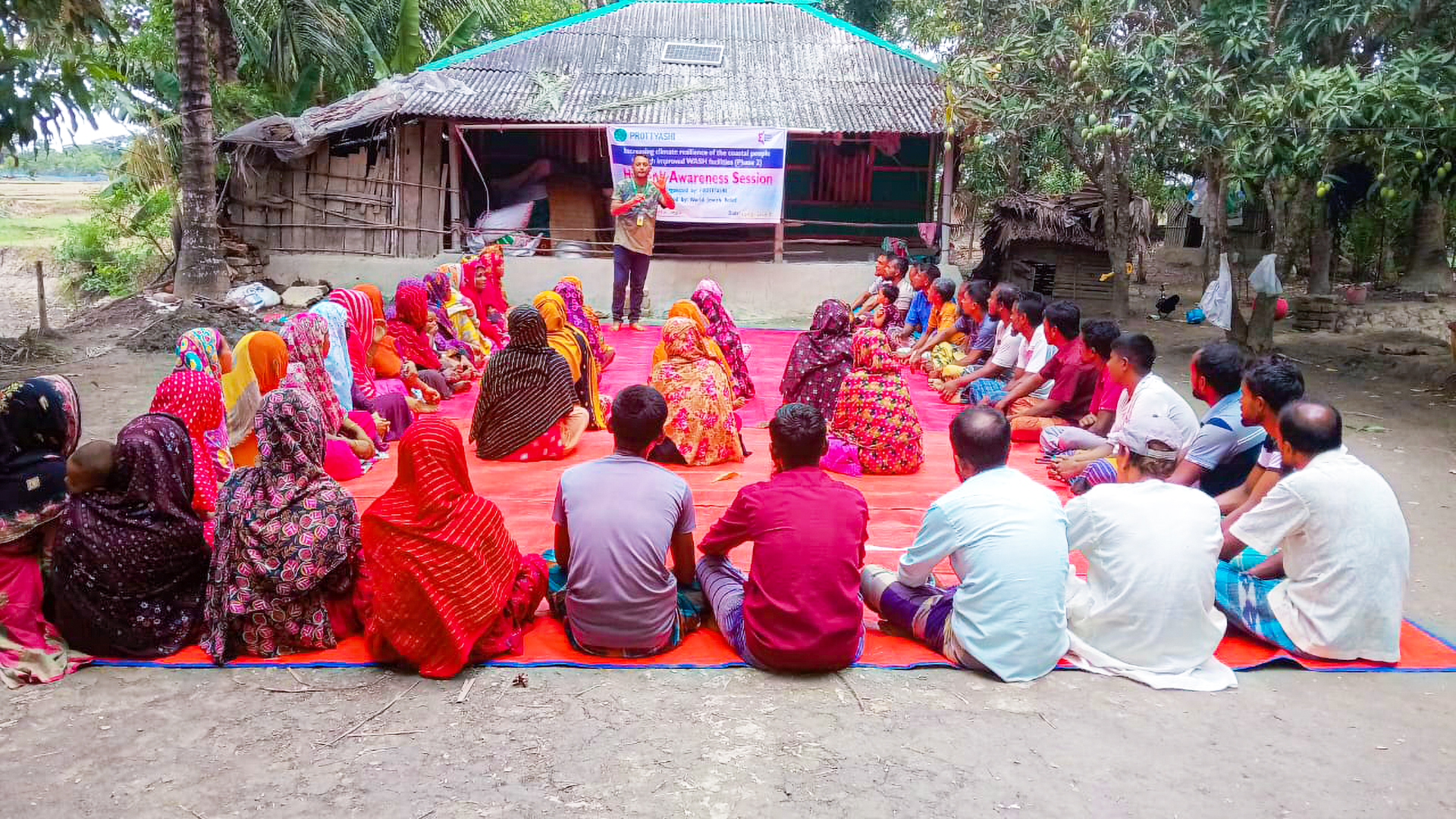
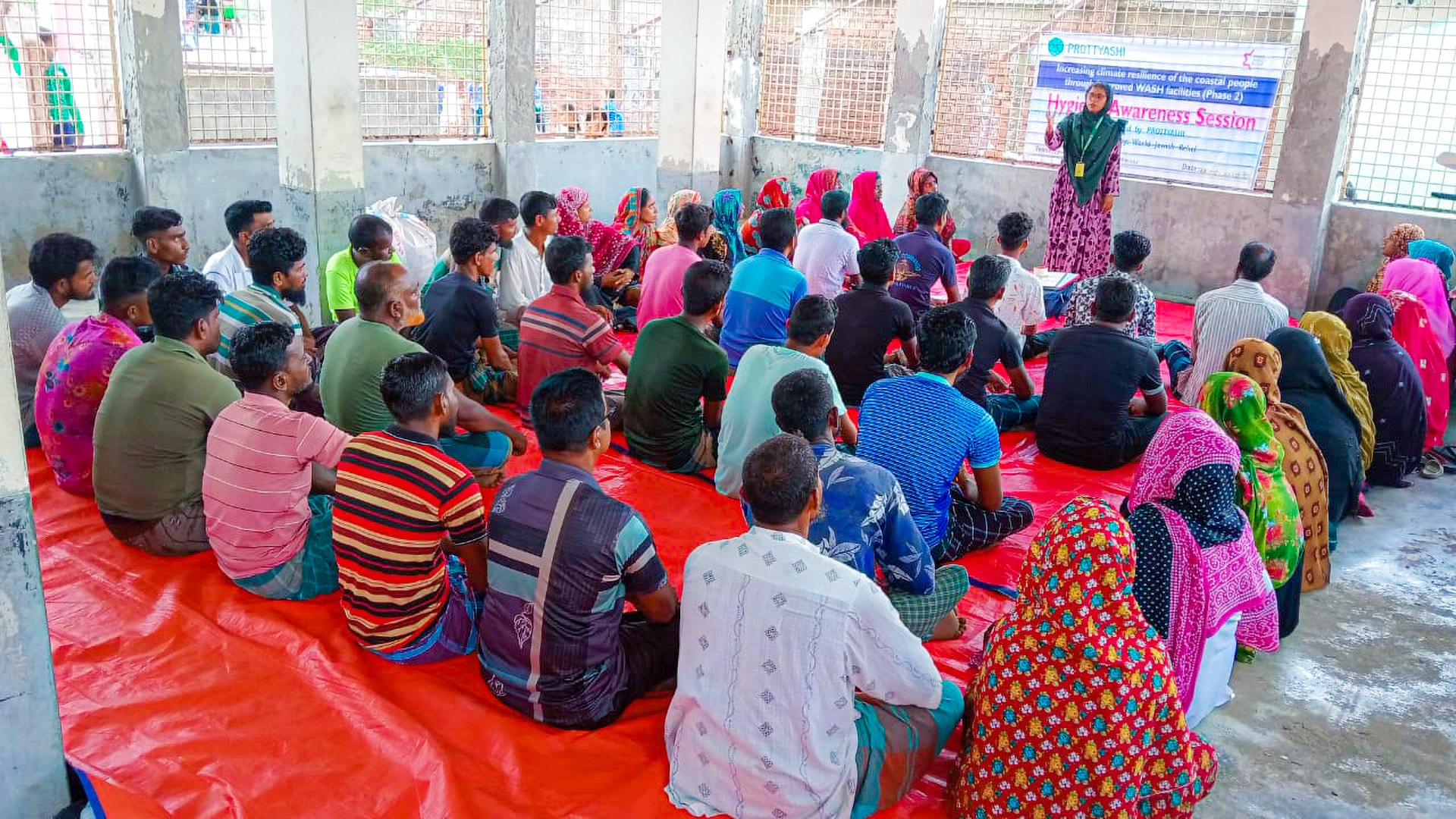
Reached 1,400 individuals through hygiene awareness sessions on hygiene, MHM, and water safety.
Major Activities
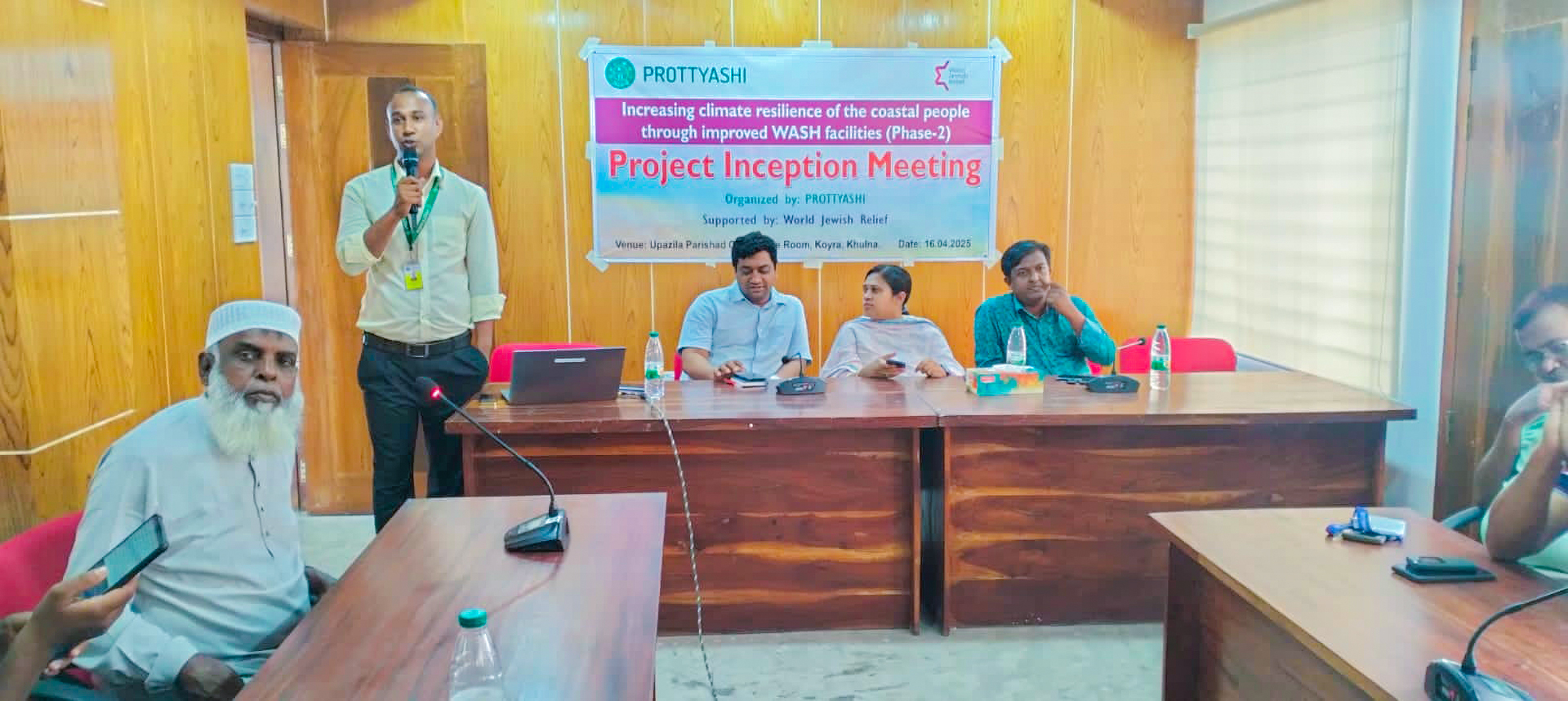
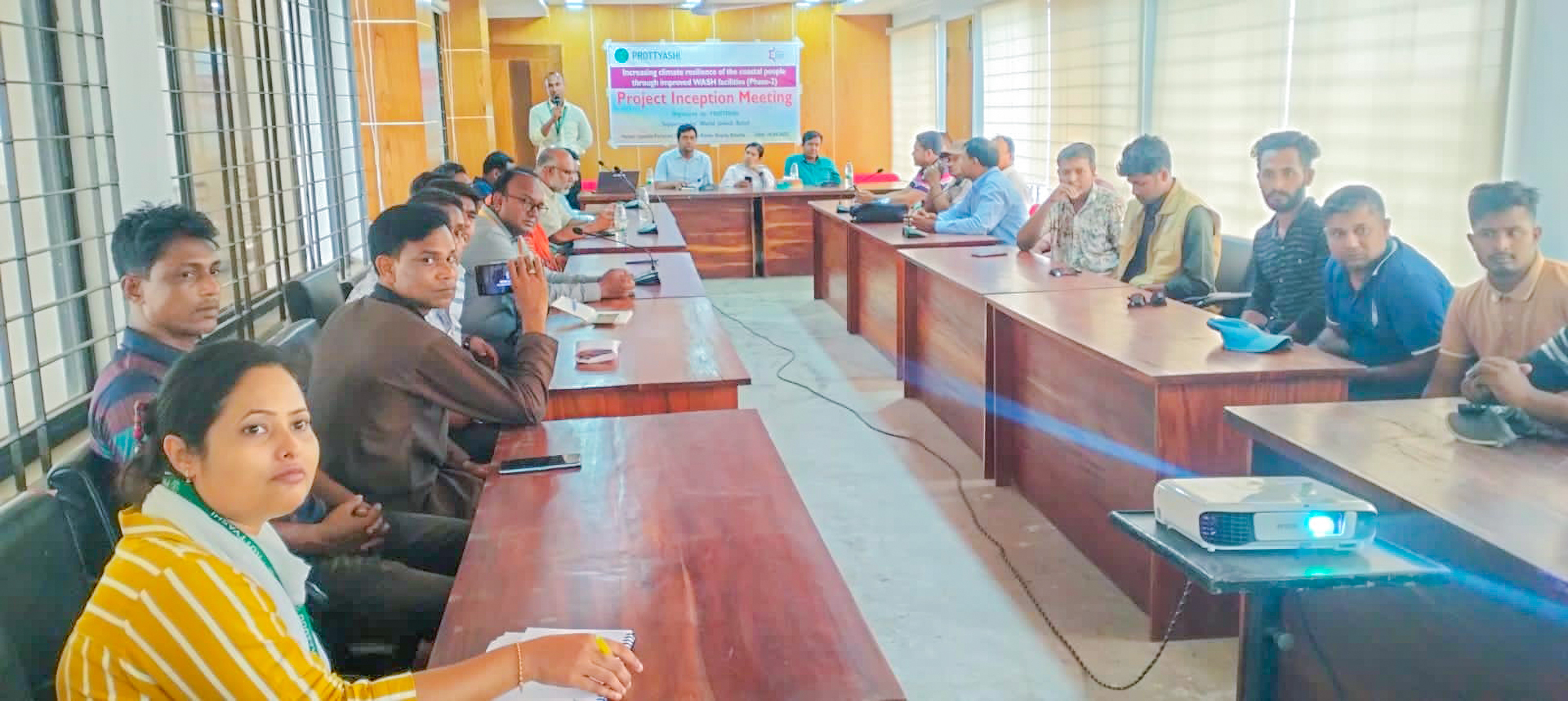
Held an inception meeting at Upazila level with government officials, NGOs, and community leaders to introduce the project.
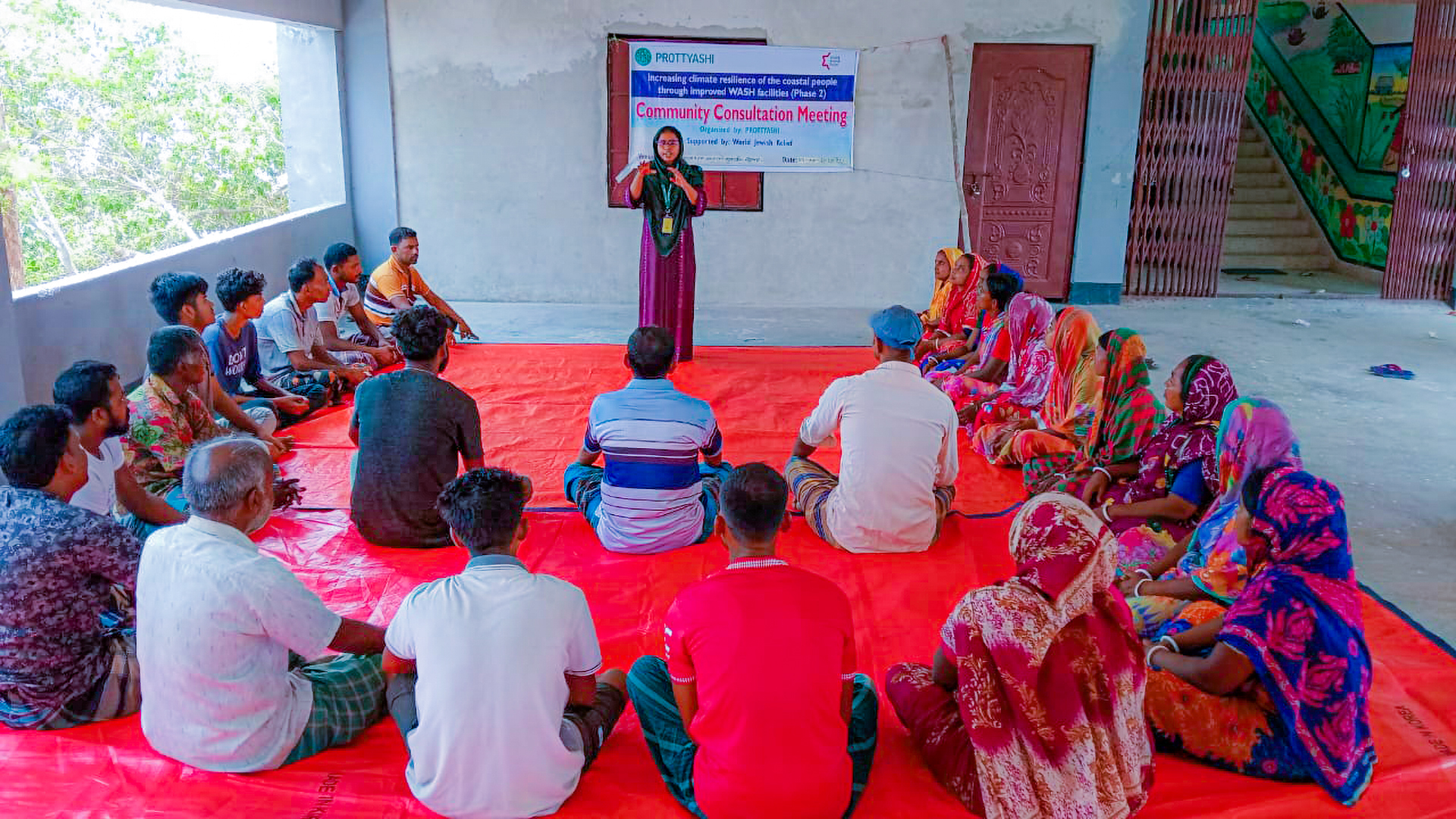
Conducted 220 community consultation meetings to ensure participation and gather local insights.
Installed 90 climate-resilient, flood-tolerant sanitary latrines.
● 16 systems (3,000 liters capacity) benefited 113 people.
● 10 systems (2,000 liters capacity) benefited 58 people.
Systems were equipped with rooftop catchment and filtration units to provide year-round access to potable water.
Conducted 28 hygiene awareness sessions for adolescents and adults on hygiene and MHM.

Project Goal
To enhance climate resilience of vulnerable communities by improving access to safe, disaster-resilient WASH facilities and promoting inclusive hygiene practices.

Geographical Coverage
The project was implemented in Camp 15 and Camp 11 in Cox’s Bazar district, Bangladesh, targeting refugee populations in these settlements.

Targeted Beneficiaries
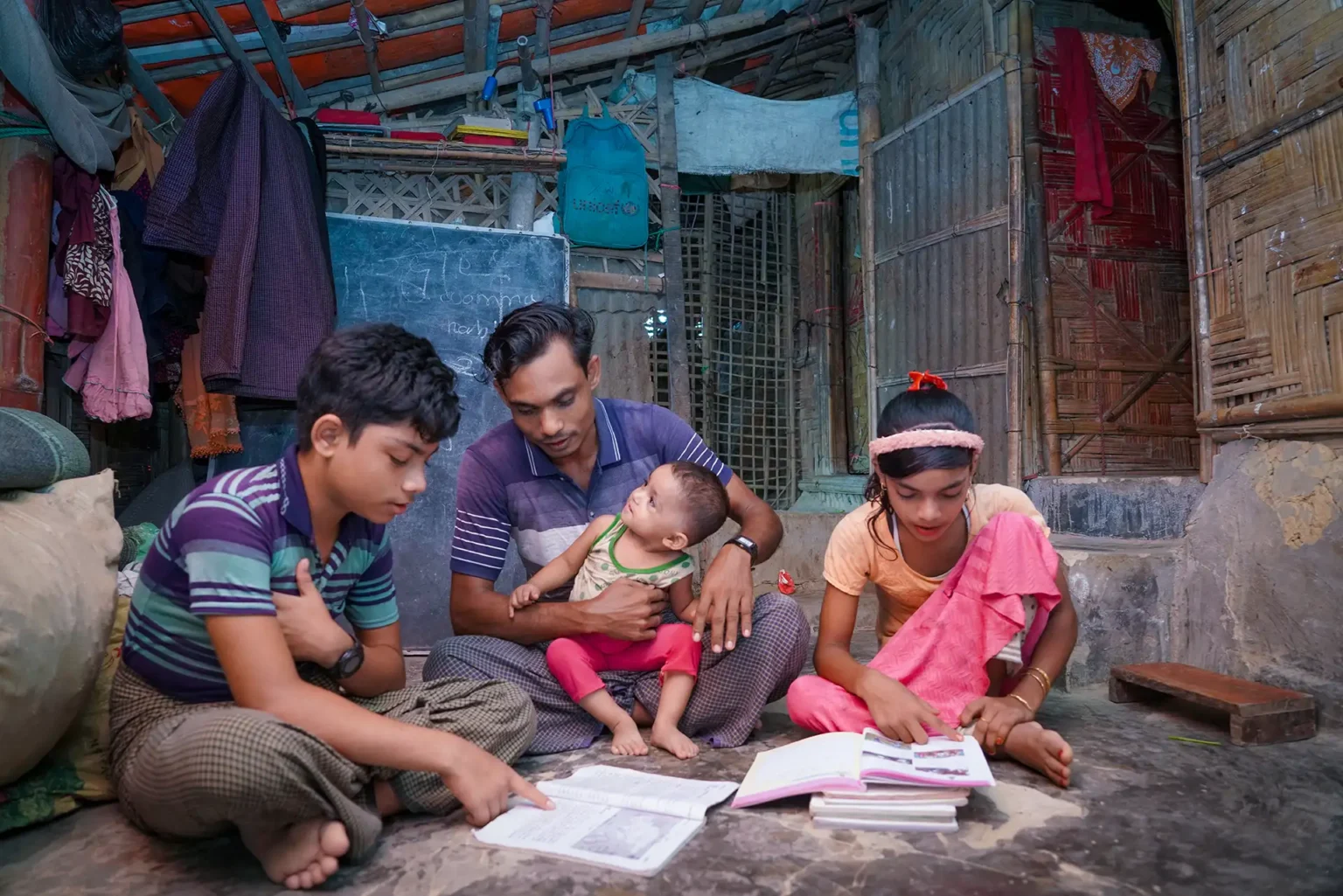
The project targeted 7,573 direct beneficiaries (3,830 male and 3,743 female) and 34,078 indirect beneficiaries from refugee communities. Priority was given to women, children, adolescents, and persons with disabilities (PWDs) to ensure inclusive and equitable access to WASH services.
Programme Highlights
Climate-Resilient WASH for Coastal Communities
The project strengthened climate resilience by improving access to safe water and sanitation facilities for vulnerable communities. Through installation of climate-resilient latrines and rainwater harvesting systems, it ensured safe sanitation and drinking water in disaster-prone areas. Community engagement and awareness activities enhanced hygiene practices, participation, and long-term resilience, particularly benefiting women, children, and vulnerable groups.
Donor & Partner
Stories of Inspiration
Project Gallery